ZMA pairs **zinc** and **magnesium** as a nighttime recovery and sleep formula aimed at active people, and on dose it mostly delivers. A serving gives you 20mg of zinc and 300mg of magnesium, both sitting comfortably inside their clinically studied ranges (15–30mg and 100–400mg) — meaningful amounts of two minerals that hard training and heavy sweating tend to deplete. Take it 30–60 minutes before bed on an empty stomach as directed, and keep it away from calcium, which competes for the same absorption.
The magnesium-and-B6 pairing has modest backing for sleep quality and stress, and at 10mg the **vitamin B6** here is plenty to do its cofactor job of helping move magnesium into your cells. The forms are the catch: your zinc is part well-absorbed monomethionine and part oxide, while the magnesium uses aspartate and oxide, none of which absorb as efficiently as glycinate or citrate — so the solid label amounts matter more than usual.
Be clear-eyed about the testosterone angle ZMA is often sold on. That claim traces largely to a single industry-funded study; independent trials in athletes who weren't already deficient found no lift in testosterone or strength. Where it actually helps is recovery, sleep, and topping you up if you run low in zinc or magnesium — not as a hormone booster. If you're a man following the 3-capsule direction, your zinc rises to 30mg, still under the 40mg daily limit but worth tracking if you take other zinc sources.
BioStacks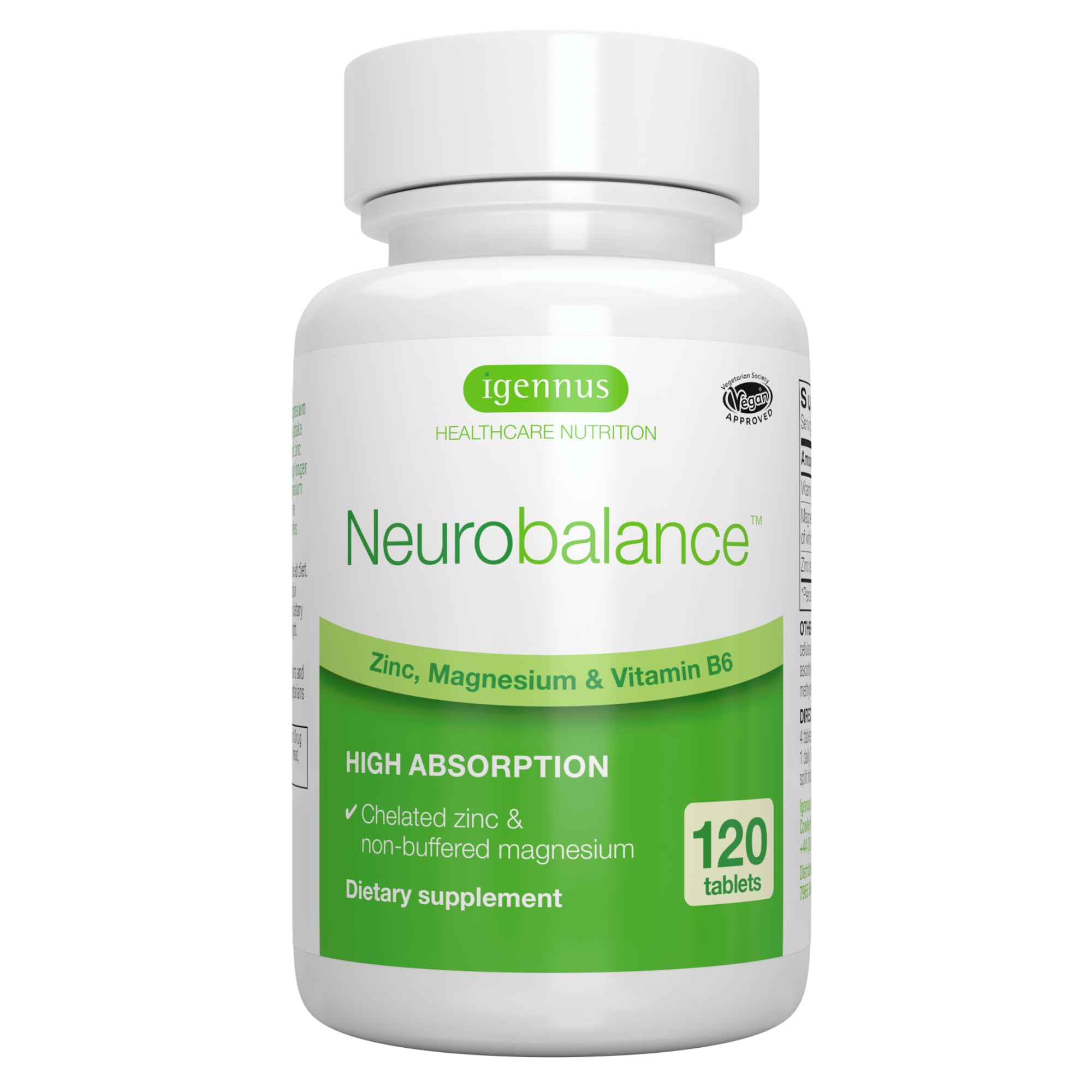

Best for
Ingredients (3)
Vitamin B6
100%Dose
10 mg
Target
1.3–25 mg
Form
Premium
Magnesium
100%Dose
300 mg
Target
100–400 mg
Form
Budget
Zinc
100%Dose
20 mg
Target
15–30 mg
Form
Budget
Other Ingredients (3)
Silicon DioxideAnti-caking
Fine silica powder used to prevent clumping
HypromelloseCapsule
Plant-derived capsule material from cellulose
Stearic AcidLubricant
Saturated fatty acid used as tablet lubricant
How to Take It
Best taken in the morning
Many people prefer B-vitamins earlier in the day; take with food to avoid nausea.
With food
Space it a couple of hours from Iron and Calcium
On the label
Suggested usage: Take 3 capsules daily (men) or 2 capsules daily (women), preferably on an empty stomach, 30-60 minutes before bedtime. For best results, avoid taking with dairy or other calcium-containing foods or supplements.
The label says evening; the ingredients lean morning. Timing isn't strict here — either is fine.
General guidance based on the ingredients, not a substitute for the label or your doctor.
Price Check
No price yet
What 89 vitamin B6 supplements cost
Track this supplement in your stack
Get personalized insights, interactions, and coverage recommendations.
Get Started FreeSimilar Supplements
Igennus Healthcare Nutrition
Neurobalance - Zinc, Magnesium & Vitamin B6
🛡️ for Immune
95
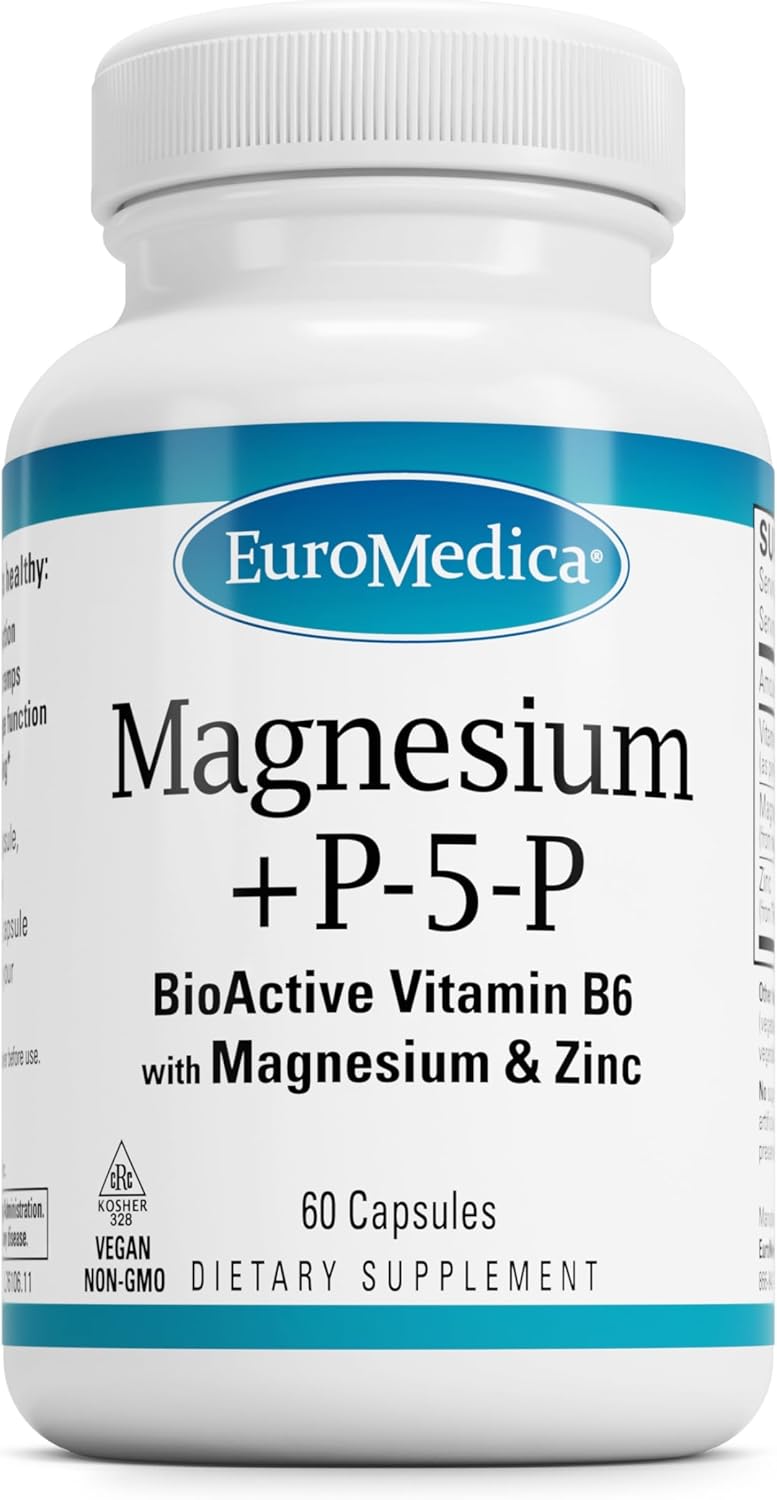
EuroMedica
Magnesium + P-5-P
😴 for Sleep
85
Terry Naturally
BioActive Magnesium Complex with P-5-P and Zinc
😴 for Sleep
85
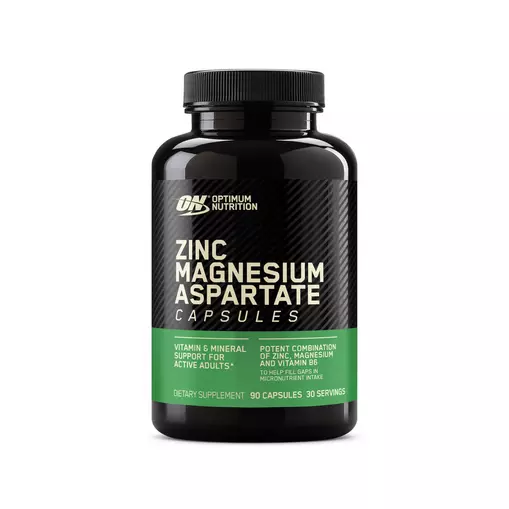
Optimum Nutrition
Zinc Magnesium Aspartate
🛡️ for Immune
67
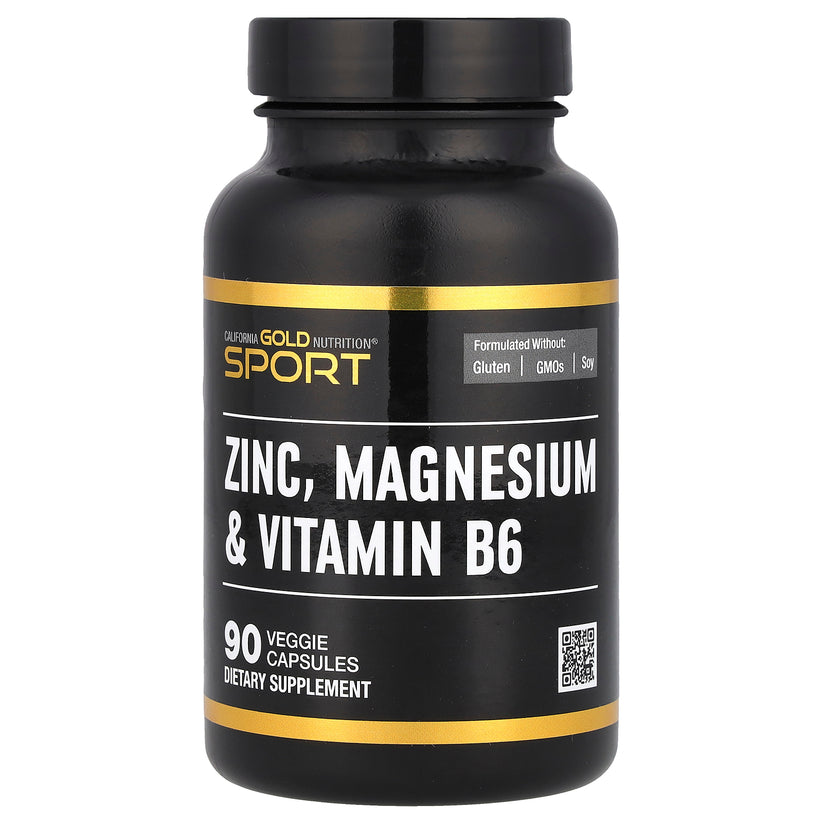
California Gold Nutrition
Zinc, Magnesium & Vitamin B6
🛡️ for Immune
62
Sources & Scoring
Nutrient data (RDA, UL, and safety thresholds) sourced from the NIH Office of Dietary Supplements and the National Academies Dietary Reference Intakes (DRI).
This is not medical advice. Consult a healthcare provider before making changes to your supplement routine.
The score analyzes what's on the label: ingredient doses vs. studied ranges, chemical forms, evidence levels, and known interactions. It does not verify label accuracy or test for contaminants — for that, look for third-party certifications like USP or NSF.