For muscle recovery and growth, this delivers a strong single-serving dose of 30g of protein per scoop from grass-fed **Whey Protein Isolate**. Research consistently shows 20–40g of high-quality protein per meal maximizes muscle protein synthesis, so you're right in the effective window.
Whey isolate is the most refined form of whey — it's had most of the fat and lactose removed, which is why you're seeing only 0.5g fat and 3g carbs per serving. That makes it a practical choice if you're watching your calorie intake or have mild lactose sensitivity. The 58 servings per container gives you solid value per scoop.
The sodium content is relatively high at 330mg per serving, which is worth tracking if you're managing your daily sodium intake. Otherwise, this is a straightforward protein supplement that delivers what it promises without unnecessary extras.
BioStacks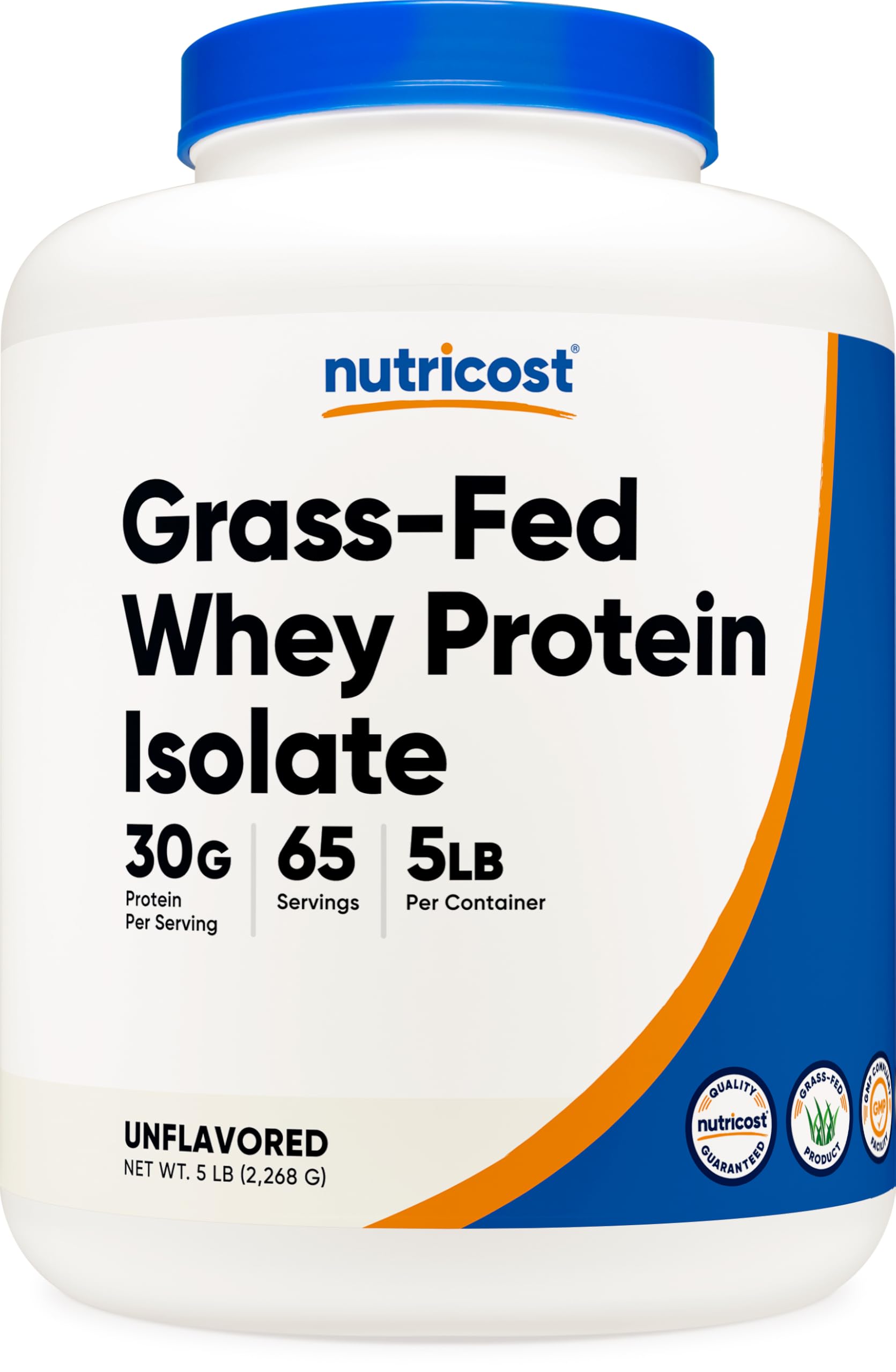
Best for
Ingredients (5)
grass-fed whey protein isolate
100%Dose
30 g
Target
20–30 g
Form
Premium
Calcium
110 mgTrace amount — not scored
Iron
0.2 mgTrace amount — not scored
Phosphorus
90 mgTrace amount — not scored
Magnesium
25 mgTrace amount — not scored
Nutrition
Calories, macros & sodium.
- Total Fat0.5 g
- Cholesterol15 mg
- Sodium330 mg
- Total Carbohydrate3 g
- Total Sugars3 g
- Protein30 g
Other Ingredients (4)
Natural FlavorsFlavor
Broad regulatory category of flavor constituents derived from natural sources. Composition is proprietary and not disclosed — 'Natural Flavors' can include several hundred different compounds depending on the target flavor profile, including hexane-extracted constituents and proprietary carrier solvents. 'Natural' is a regulatory definition (21 CFR §101.22), not a safety guarantee.
Whey ProteinProtein Source
Common dairy-derived protein that sometimes appears in the other ingredients list due to label parsing
Stevia ExtractSweetener
Zero-calorie natural sweetener extracted from the leaves of Stevia rebaudiana
Himalayan rock salt
Not reviewed yet
How to Take It
Take it anytime
Total daily protein is what matters — the post-workout "anabolic window" has not held up in controlled trials.
With or without food
On the label
Mix 1 scoop (approx. 1/3 cup) daily with 6-10 oz of water, milk, or your preferred beverage.
General guidance based on the ingredients, not a substitute for the label or your doctor.
Price Check
$119.95
Pricier than 97% of 165 muscle supplements
Track this supplement in your stack
Get personalized insights, interactions, and coverage recommendations.
Get Started FreeSimilar Supplements
Nutricost
Grass-Fed Whey Protein Isolate (Unflavored)
💪 for Muscle
78
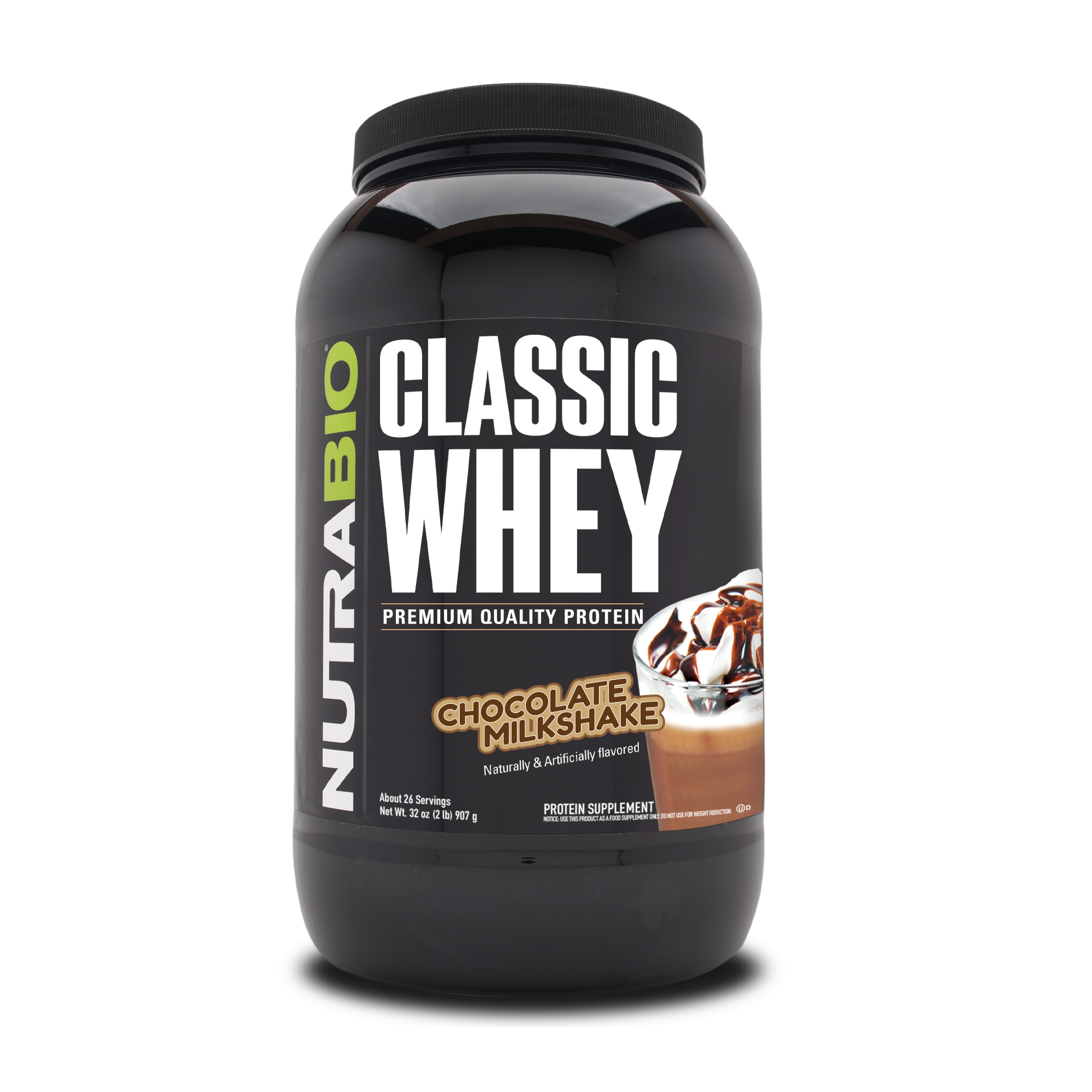
NutraBio
Classic Whey Protein Concentrate Powder (Chocolate Milkshake)
💪 for Muscle
60
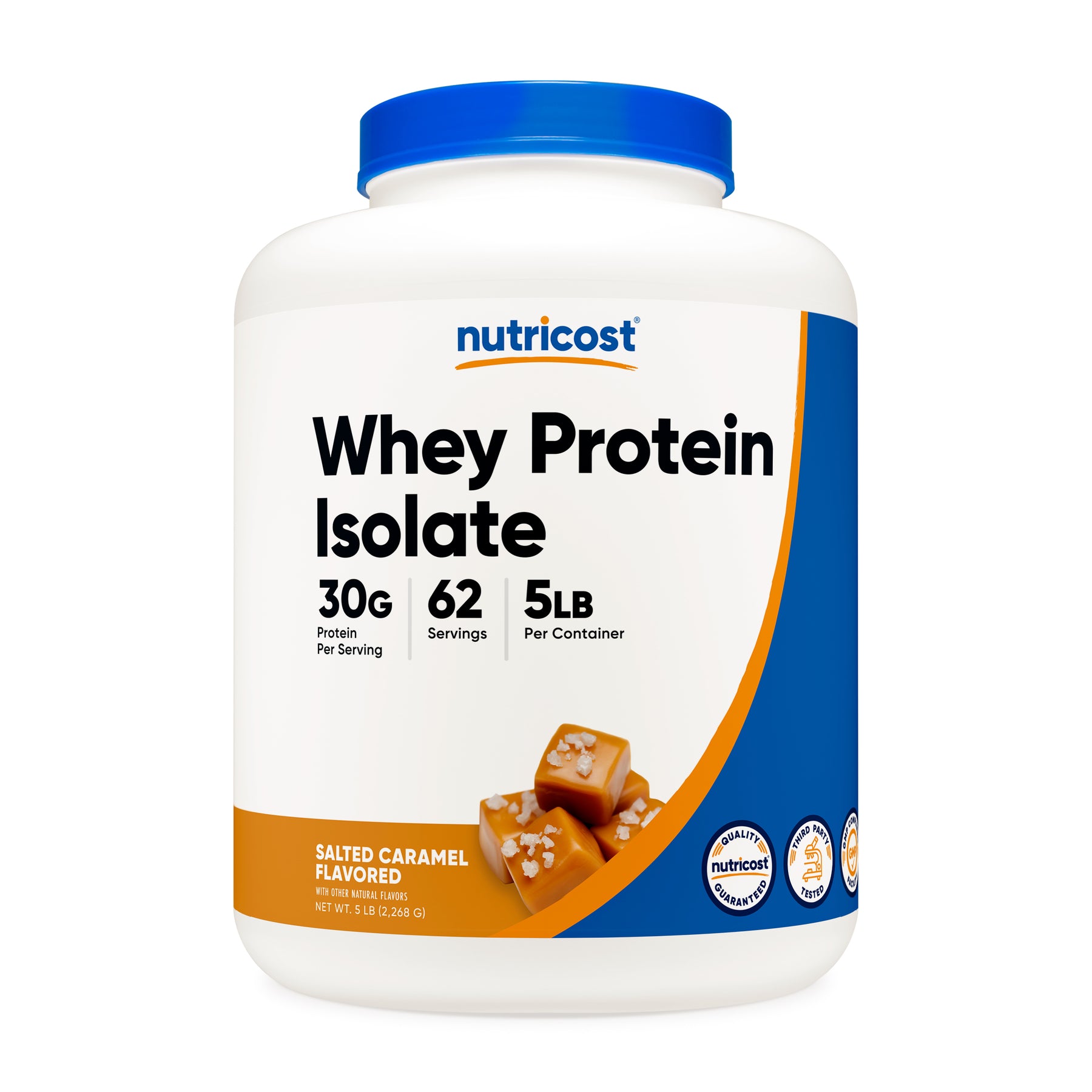
Nutricost
Whey Protein Isolate 30 g (Salted Caramel)
💪 for Muscle
46
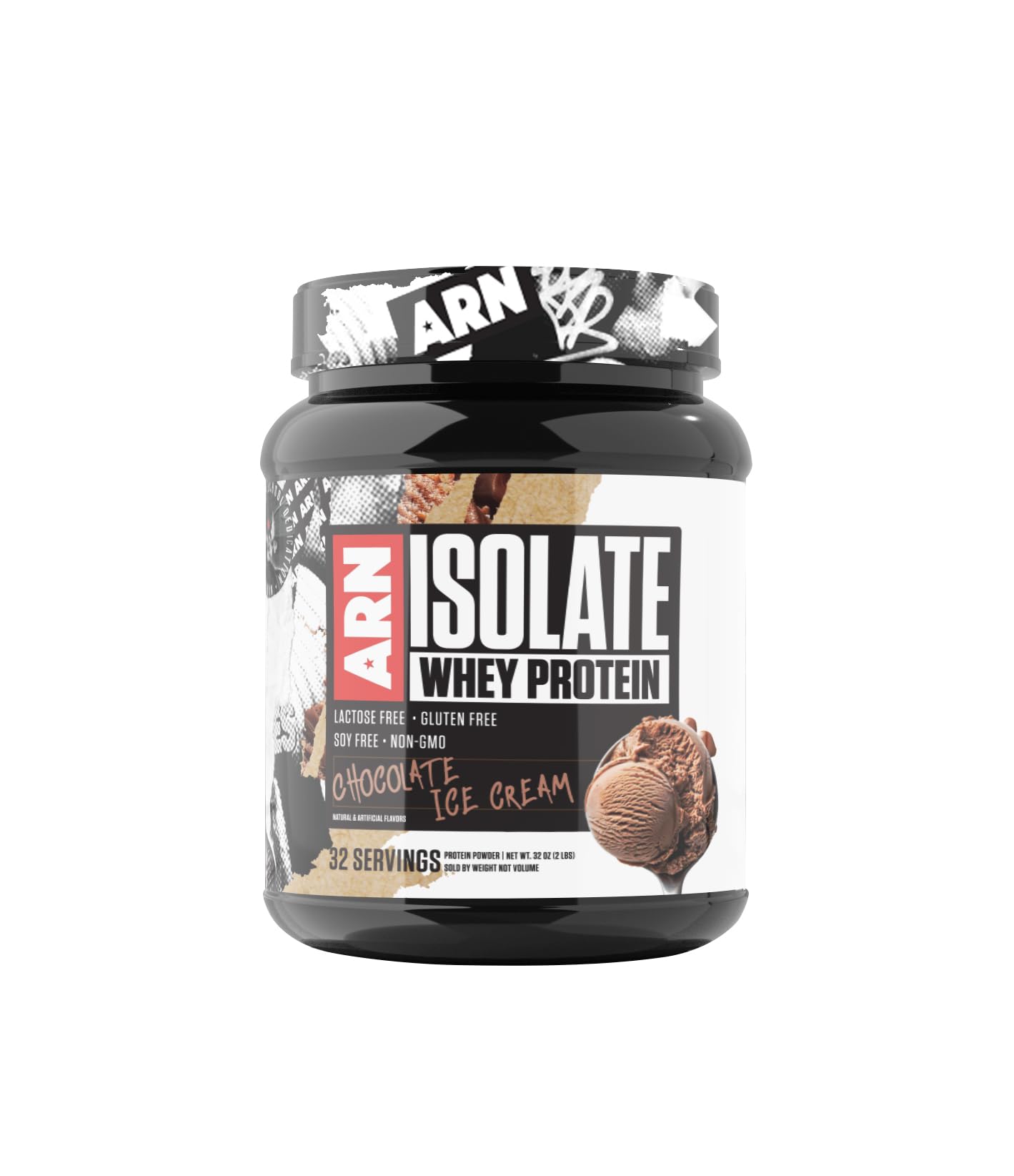
Arms Race Nutrition
Isolate Whey Protein (Chocolate Ice Cream)
💪 for Muscle
44
Nutricost
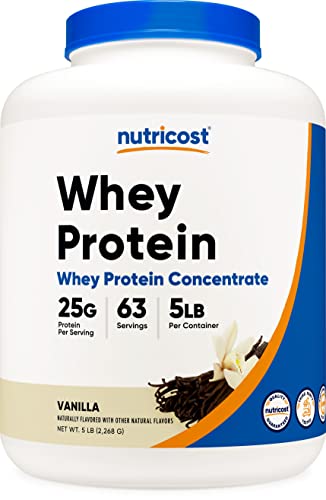
Whey Protein Concentrate (Vanilla)
💪 for Muscle
44
Sources & Scoring
Nutrient data (RDA, UL, and safety thresholds) sourced from the NIH Office of Dietary Supplements and the National Academies Dietary Reference Intakes (DRI).
This is not medical advice. Consult a healthcare provider before making changes to your supplement routine.
The score analyzes what's on the label: ingredient doses vs. studied ranges, chemical forms, evidence levels, and known interactions. It does not verify label accuracy or test for contaminants — for that, look for third-party certifications like USP or NSF.