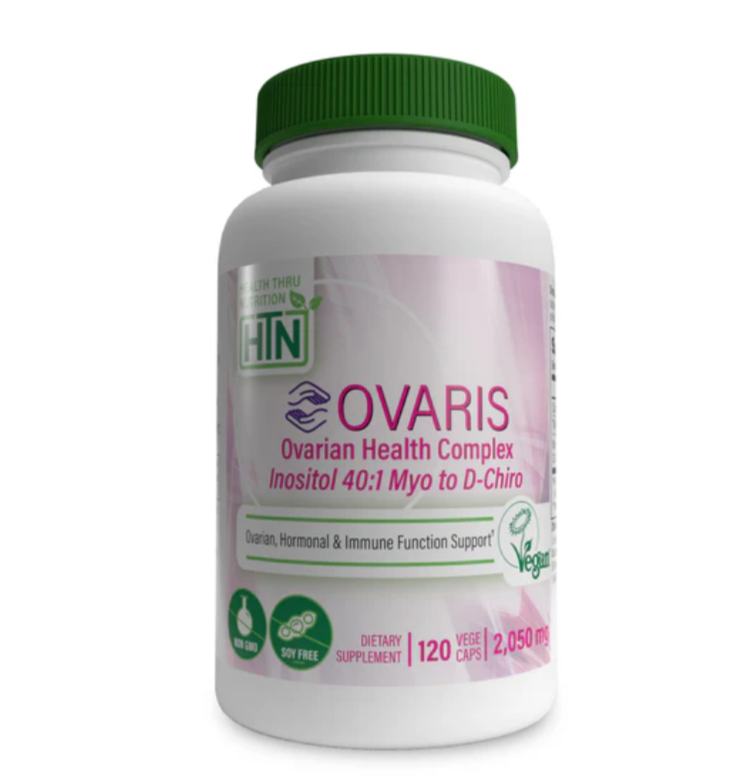
Designed to support hormonal balance and ovarian function, this product delivers 2,000mg of **Myo-Inositol** per serving — right at the low end of the 2,000–4,000mg clinical range studied in PCOS and insulin sensitivity trials. You're getting the minimum effective dose, which many women find sufficient.
**D-Chiro Inositol** is included at 50mg, maintaining the 40:1 ratio with myo-inositol that mirrors your body's natural balance. This ratio has been specifically studied for reproductive health support and is considered more effective than myo-inositol alone for hormonal goals.
The four-capsule serving size is the main tradeoff. At 120 capsules you're getting 30 days of use, so a monthly repurchase is necessary. If you want to push toward the higher end of the clinical range (4,000mg myo-inositol), you'd need to double the serving — and the bottle would last only two weeks.
BioStacks
Other Ingredients (4)
Rice FlourFiller
Rice-based ingredients carry risk of inorganic arsenic contamination (FDA and Consumer Reports). Rice accumulates arsenic from soil at higher rates than other grains. Used as a cheap filler — adds nothing beneficial.
Magnesium StearateLubricant
A salt of stearic acid used as a lubricant in tablet and capsule production
Silicon DioxideAnti-caking
Fine silica powder used to prevent clumping
HypromelloseCapsule
Plant-derived capsule material from cellulose
How to Take It
Take it anytime
Trials dose 2 g twice daily — split it morning and evening rather than taking it all at once.
With or without food
General guidance based on the ingredients, not a substitute for the label or your doctor.
Price Check
$15.95
Cheaper than 74% of 55 inositol supplements
Track this supplement in your stack
Get personalized insights, interactions, and coverage recommendations.
Get Started FreeSimilar Supplements
Sources & Scoring
Nutrient data (RDA, UL, and safety thresholds) sourced from the NIH Office of Dietary Supplements and the National Academies Dietary Reference Intakes (DRI).
This is not medical advice. Consult a healthcare provider before making changes to your supplement routine.
The score analyzes what's on the label: ingredient doses vs. studied ranges, chemical forms, evidence levels, and known interactions. It does not verify label accuracy or test for contaminants — for that, look for third-party certifications like USP or NSF.