BioStacks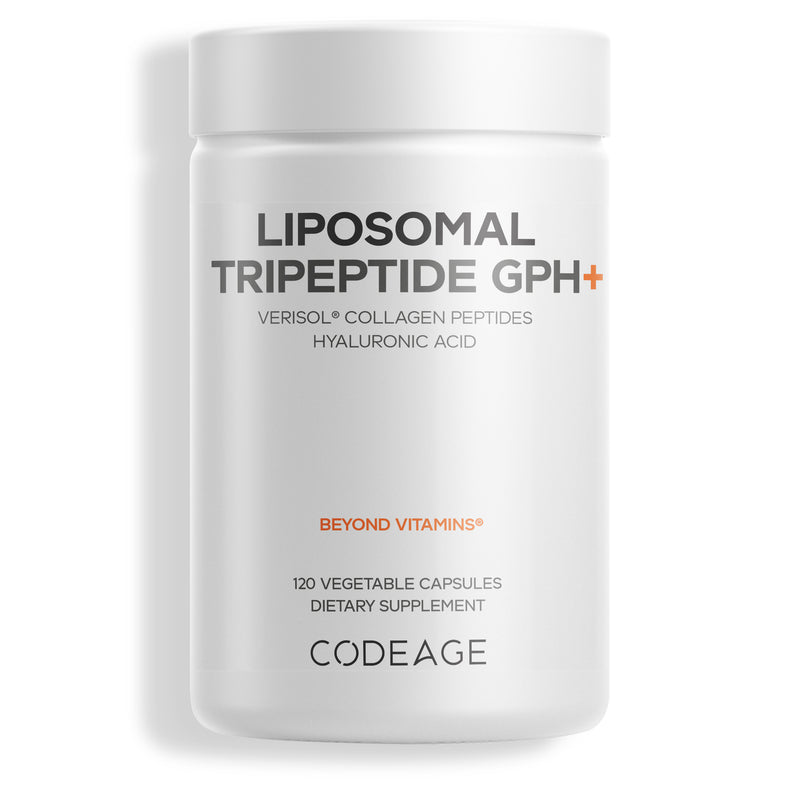
Best for
Ingredients (3)
Collagen Peptides
100%Dose
15 g
Target
5–20 g
Form
Standard
Hyaluronic Acid
100%Dose
120 mg
Target
50–200 mg
Form
Standard
Bacillus coagulans
20 mgUnit not recognized — not scored
Nutrition
Calories, macros & sodium.
- Sodium100 mg
Other Ingredients (6)
Agave NectarSweetener
Agave nectar is ~70–90% fructose by composition (vs sucrose's 50% and high-fructose corn syrup's 55%). Low glycemic index is a fructose artifact — fructose bypasses insulin-mediated metabolism and is preferentially shuttled to hepatic de novo lipogenesis. Chronic high-fructose intake is associated with hepatic steatosis, insulin resistance, and adverse lipid changes (Stanhope 2009 RCT). The 'natural' / 'healthier than sugar' marketing positioning contradicts the metabolic profile. Per brand voice: this is a clearer case than most of marketing-vs-science divergence.
Rice FlourFiller
Rice-based ingredients carry risk of inorganic arsenic contamination (FDA and Consumer Reports). Rice accumulates arsenic from soil at higher rates than other grains. Used as a cheap filler — adds nothing beneficial.
Fruit Juice (unspecified)Colorant
Juice or juice concentrate used primarily for natural color and flavor in gummies
Natural FlavorsFlavor
Broad regulatory category of flavor constituents derived from natural sources. Composition is proprietary and not disclosed — 'Natural Flavors' can include several hundred different compounds depending on the target flavor profile, including hexane-extracted constituents and proprietary carrier solvents. 'Natural' is a regulatory definition (21 CFR §101.22), not a safety guarantee.
Purified WaterSolvent
Water meeting USP specifications used as solvent/vehicle in gummies and liquids
Strawberry Juice PowderFlavor
Dehydrated strawberry juice used for natural flavor and color
How to Take It
Take it anytime
Timing doesn't matter — daily consistency over weeks is what moves outcomes.
With or without food
On the label
Mix 1-2 scoops of our Beauty Collagen to smoothies, tea or water.
General guidance based on the ingredients, not a substitute for the label or your doctor.
Price Check
$21.58
Cheaper than 75% of 72 skin supplements
Track this supplement in your stack
Get personalized insights, interactions, and coverage recommendations.
Get Started FreeSimilar Supplements
Codeage
Liposomal Tripeptide GPH+
✨ for Skin
49
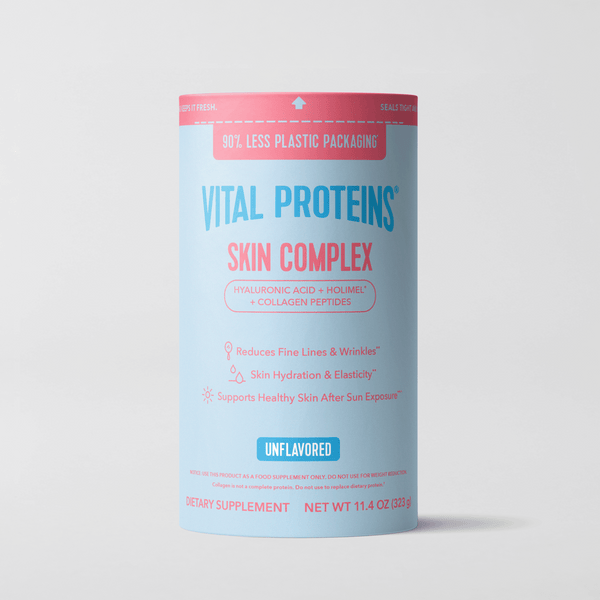
Vital Proteins
Skin Complex (Unflavored)
✨ for Skin
73
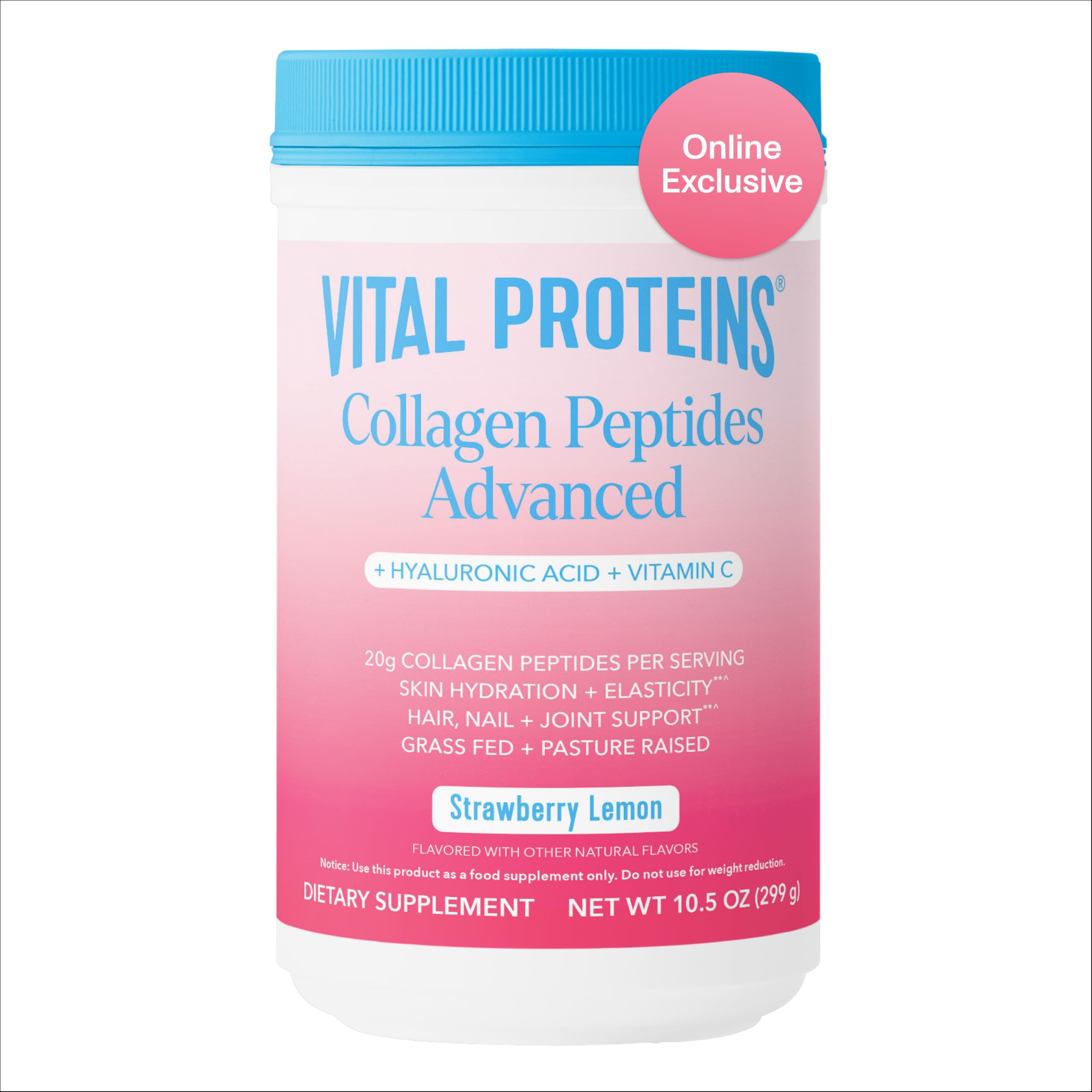
Vital Proteins
Collagen Peptides Advanced (Strawberry Lemon)
✨ for Skin
72
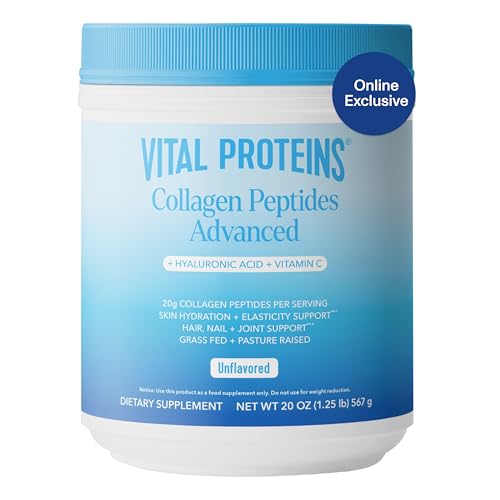
Vital Proteins
Collagen Peptides Advanced (Unflavored)
✨ for Skin
72
California Gold Nutrition
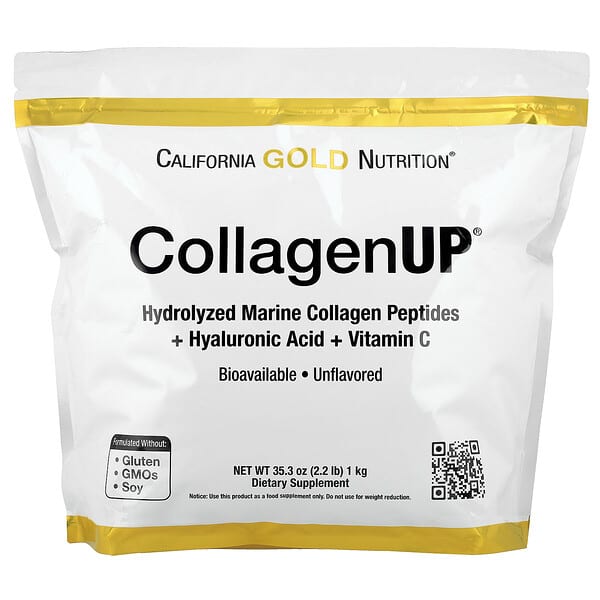
California Gold Nutrition, CollagenUP, Hydrolyzed Marine Collagen Peptides with Hyaluronic Acid and Vitamin C, Unflavored, 2.2 lb (1 kg)
✨ for Skin
70
Sources & Scoring
Nutrient data (RDA, UL, and safety thresholds) sourced from the NIH Office of Dietary Supplements and the National Academies Dietary Reference Intakes (DRI).
This is not medical advice. Consult a healthcare provider before making changes to your supplement routine.
The score analyzes what's on the label: ingredient doses vs. studied ranges, chemical forms, evidence levels, and known interactions. It does not verify label accuracy or test for contaminants — for that, look for third-party certifications like USP or NSF.