If you're dealing with digestive issues that haven't responded to lower-dose probiotics, this high-potency option delivers 100 billion CFU per capsule — sitting at the top of the clinically studied range (1–100 billion CFU). This potency level is where more intensive research protocols tend to operate.
The blend includes 8 well-researched strains spanning both **Lactobacillus** and **Bifidobacterium** genera, including L. acidophilus, L. rhamnosus, and B. lactis — all with individual clinical backing for gut health and immune modulation. The strain diversity here gives you broad coverage across your upper and lower digestive tract.
One thing to note: the label doesn't disclose individual CFU counts per strain, so you can't tell which strains dominate the blend. Higher total CFU also doesn't always mean better outcomes — some people experience bloating or gas when starting at this level, so you may want to build up gradually.
BioStacks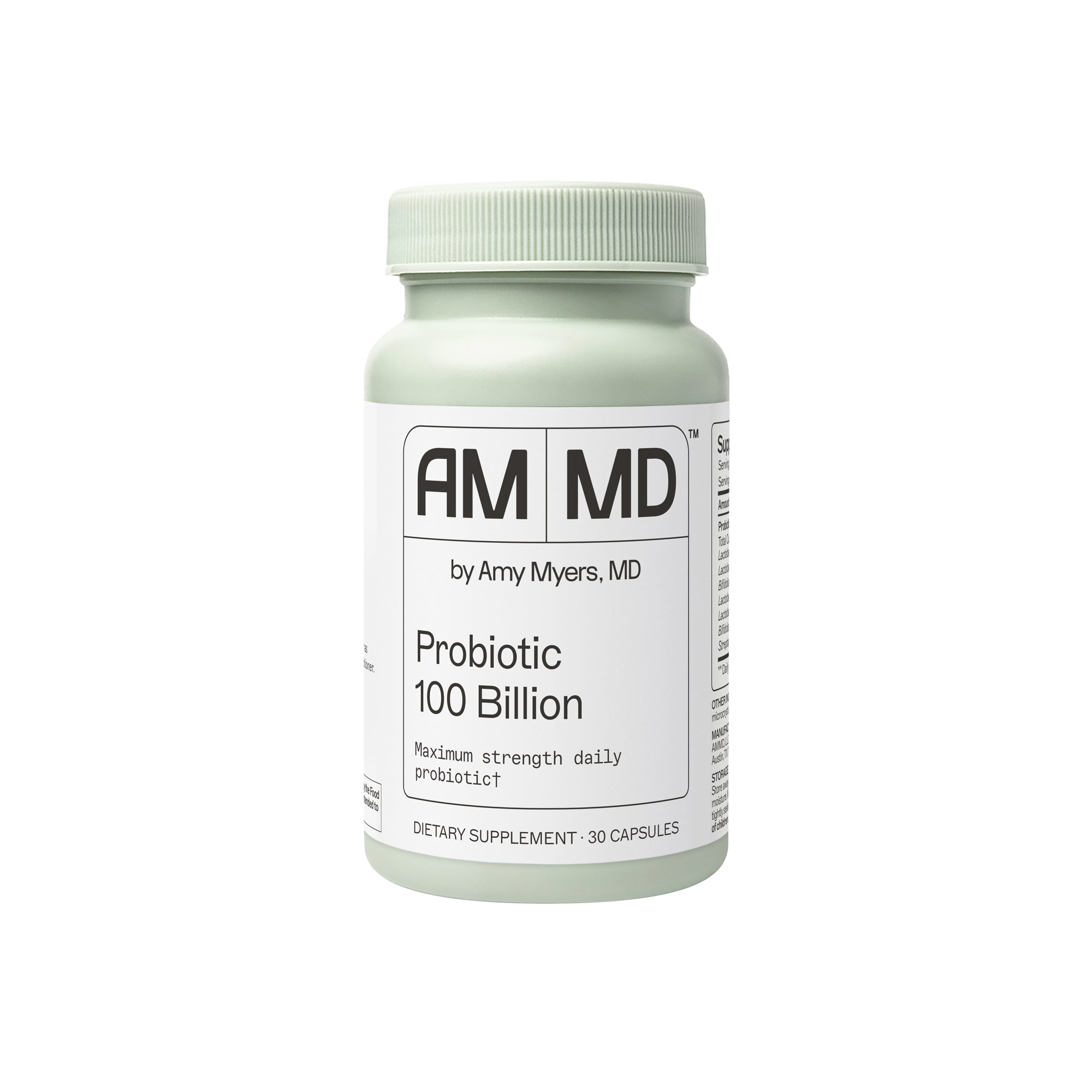

California Gold Nutrition
California Gold Nutrition, LactoBif 100 Probiotics, 100 Billion CFU, 60 Veggie Capsules
1 Capsule · 60 servings · $0.87/serving
Best for
Ingredients (1)
Probiotic Bacteria Blend
100%Dose
100 B CFU
Target
1–100 B CFU
Form
Standard
Other Ingredients (4)
Magnesium StearateLubricant
A salt of stearic acid used as a lubricant in tablet and capsule production
Silicon DioxideAnti-caking
Fine silica powder used to prevent clumping
Microcrystalline CelluloseBinder
Plant-derived cellulose used as a binder and filler in supplements
Microcrystalline CelluloseBinder
Plant-derived cellulose used as a binder and filler in supplements
How to Take It
Best taken in the morning
Live strains survive stomach acid best taken with or just before a meal — after a meal is the worst option. Consistency matters more than the clock.
With food
Keep it away from hot food or drink
General guidance based on the ingredients, not a substitute for the label or your doctor.
Price Check
$52.40
Pricier than 80% of 137 probiotics supplements
Track this supplement in your stack
Get personalized insights, interactions, and coverage recommendations.
Get Started FreeSimilar Supplements
Amy Myers MD
Probiotic 100 Billion
🍏 for Digestion
85
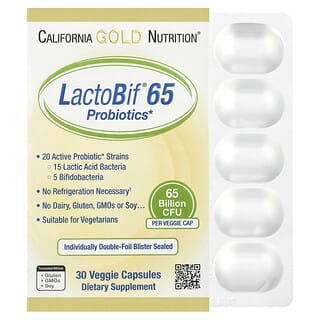
California Gold Nutrition
LactoBif 65 Probiotics 65 Billion CFU
🍏 for Digestion
82
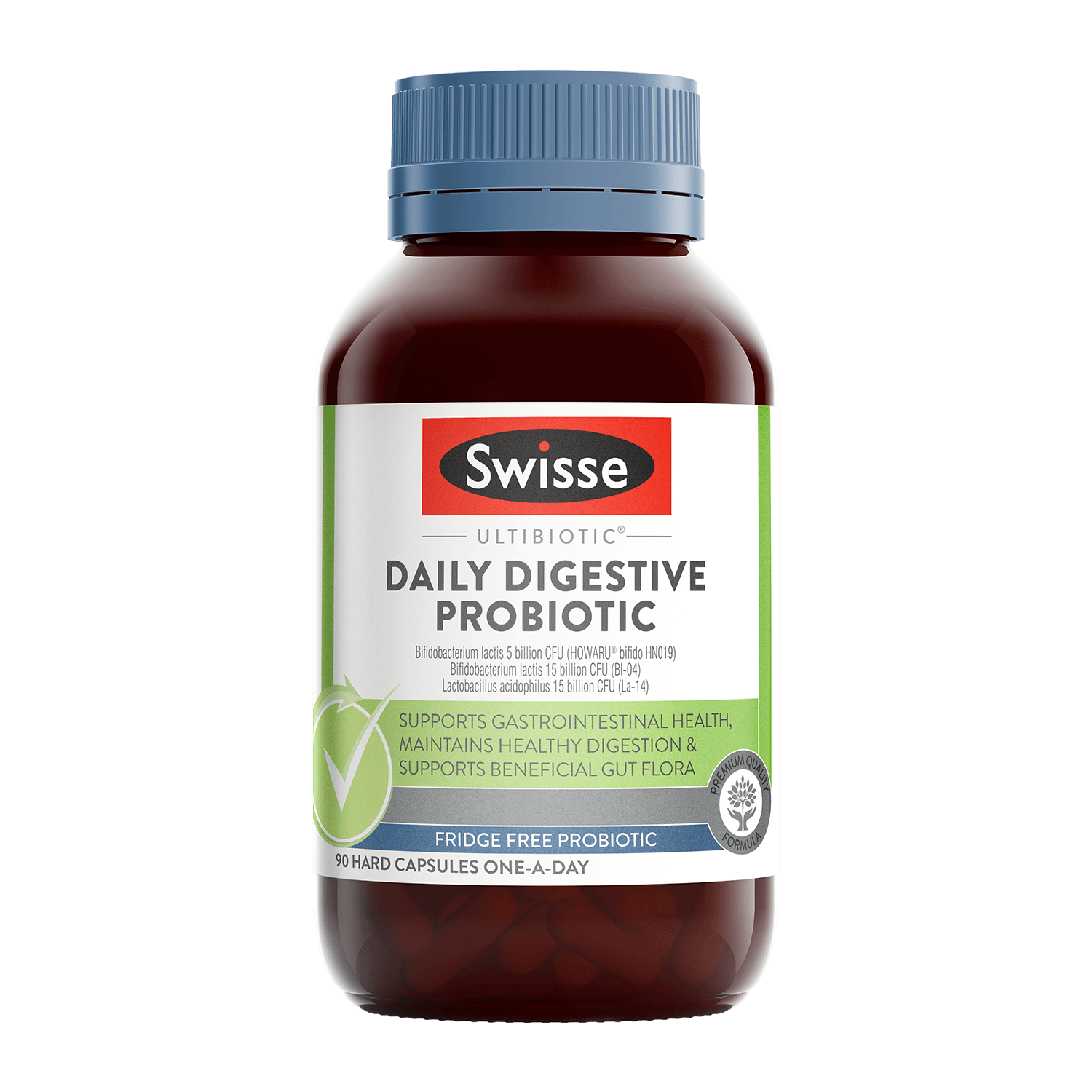
Swisse
Daily Digestive Probiotic
🍏 for Digestion
73
California Gold Nutrition
LactoBif 100 Probiotics 100 Billion CFU
🍏 for Digestion
68
EZ Melts
Healthy Aging Probiotic
🍏 for Digestion
67
Sources & Scoring
Nutrient data (RDA, UL, and safety thresholds) sourced from the NIH Office of Dietary Supplements and the National Academies Dietary Reference Intakes (DRI).
This is not medical advice. Consult a healthcare provider before making changes to your supplement routine.
The score analyzes what's on the label: ingredient doses vs. studied ranges, chemical forms, evidence levels, and known interactions. It does not verify label accuracy or test for contaminants — for that, look for third-party certifications like USP or NSF.