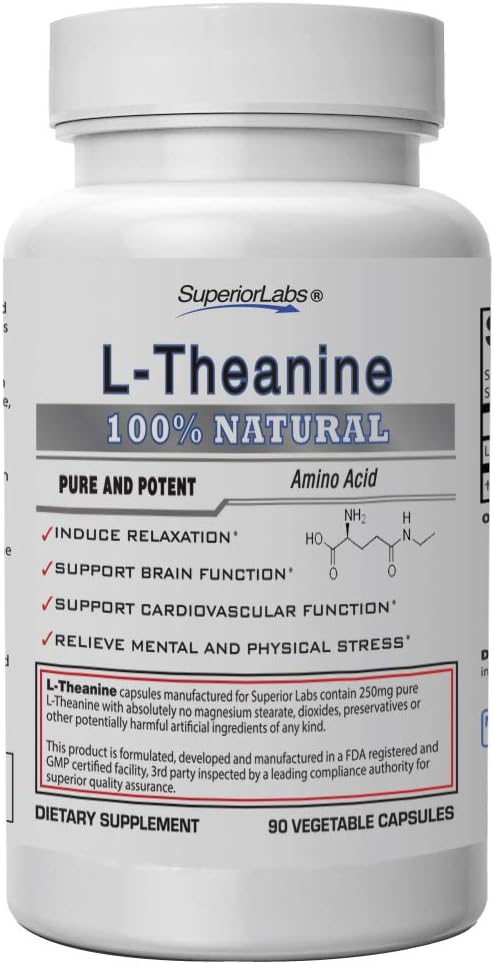
At 200mg per capsule, you're getting the most commonly studied dose of **L-Theanine** for promoting calm without drowsiness. This sits right in the clinical sweet spot (100–250mg) used in trials on relaxation, stress response, and sleep quality — so one capsule daily covers you for all three goals.
**L-Theanine** works by boosting alpha brain waves, which are associated with a relaxed-but-alert mental state. If your main goal is better sleep, the research suggests taking it 30–60 minutes before bed. For daytime calm and focus — especially if you drink coffee — it pairs well with caffeine to smooth out jitteriness while keeping you sharp.
The one thing to know: evidence for theanine is moderate, not ironclad. Most studies are small and short-term. You'll likely notice a subtle calming effect rather than anything dramatic, and individual response varies.
BioStacks
Best for
Ingredients (1)
L-Theanine
100%Dose
200 mg
Target
100–250 mg
Form
—
Other Ingredients (3)
Silicon DioxideAnti-caking
Fine silica powder used to prevent clumping
Microcrystalline CelluloseBinder
Plant-derived cellulose used as a binder and filler in supplements
Microcrystalline CelluloseBinder
Plant-derived cellulose used as a binder and filler in supplements
How to Take It
Best taken in the evening
Calming — common before bed, or in the morning when paired with caffeine for focus.
With or without food
On the label
Suggested Usage: Take 1 capsule daily, with or without food. Best when taken as directed by a qualified healthcare professional.
General guidance based on the ingredients, not a substitute for the label or your doctor.
Price Check
$10.06
Cheaper than 95% of 101 theanine supplements
Track this supplement in your stack
Get personalized insights, interactions, and coverage recommendations.
Get Started FreeSimilar Supplements
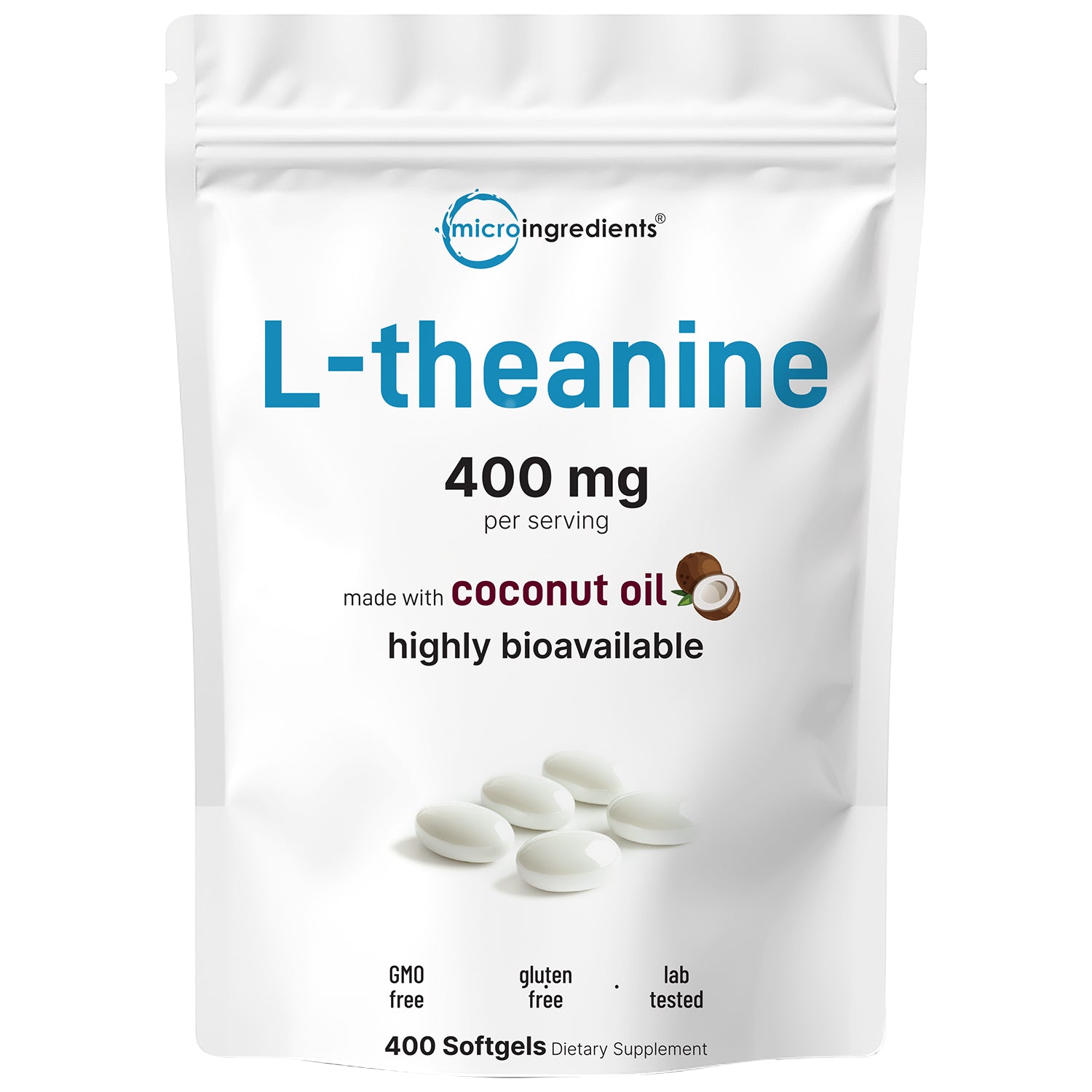
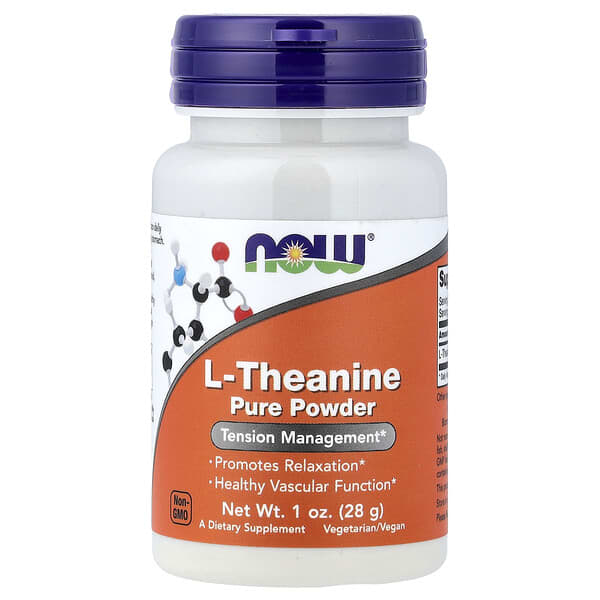
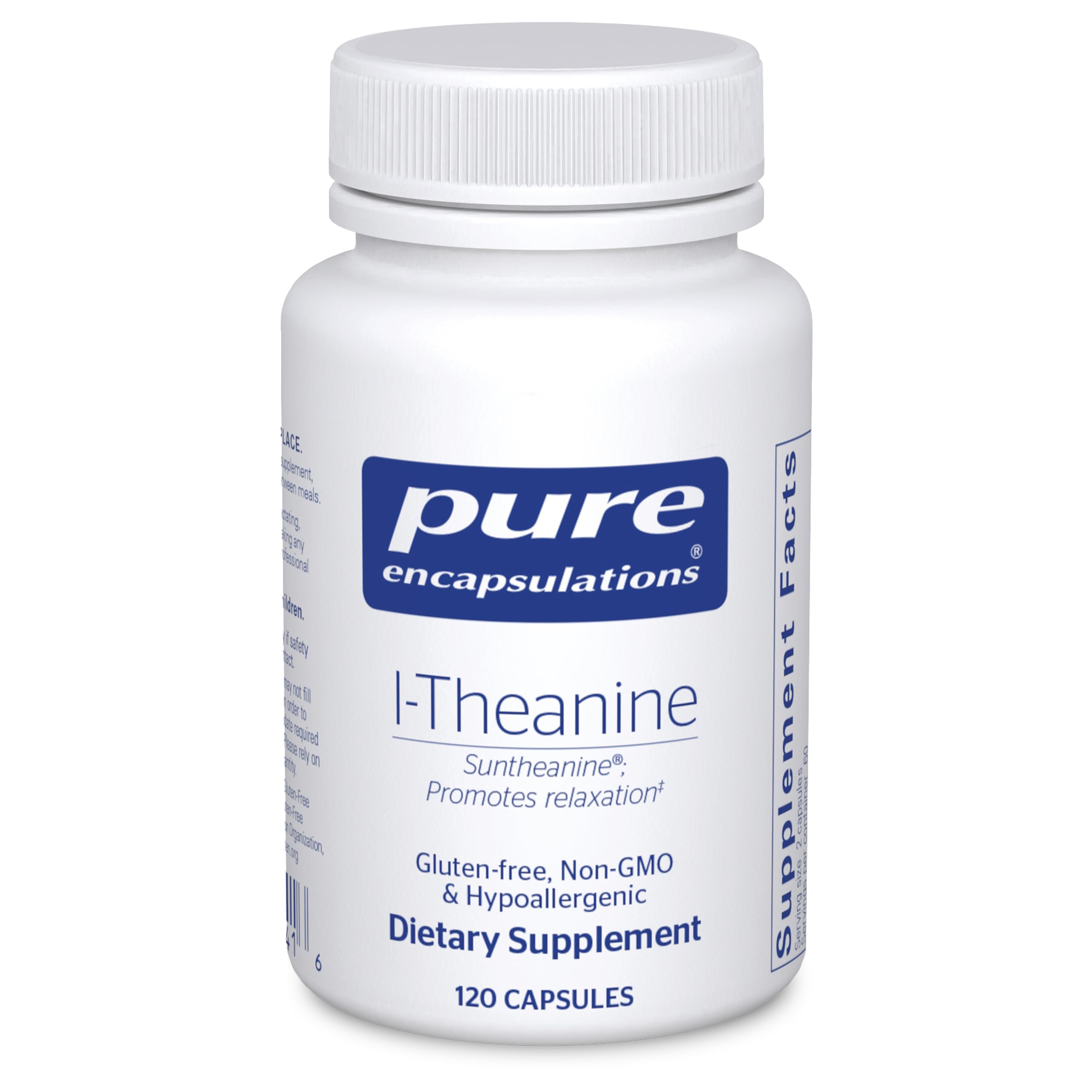
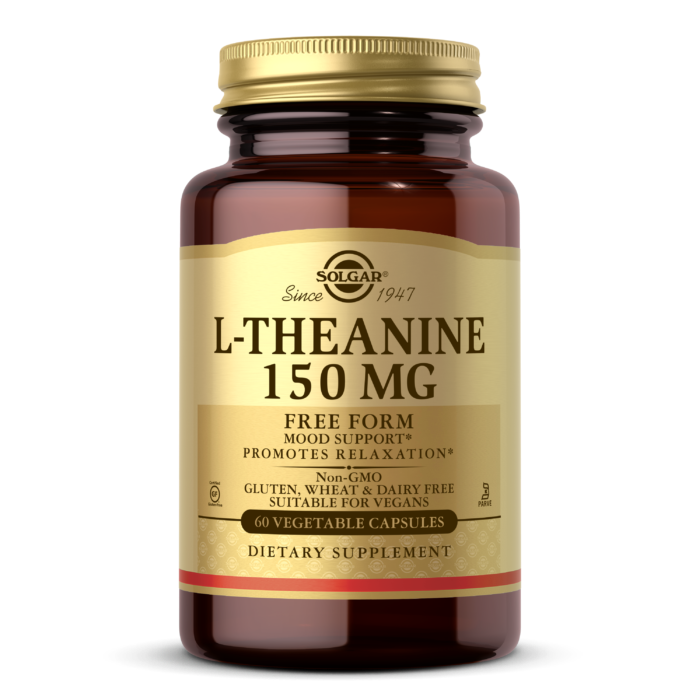
Sources & Scoring
Nutrient data (RDA, UL, and safety thresholds) sourced from the NIH Office of Dietary Supplements and the National Academies Dietary Reference Intakes (DRI).
This is not medical advice. Consult a healthcare provider before making changes to your supplement routine.
The score analyzes what's on the label: ingredient doses vs. studied ranges, chemical forms, evidence levels, and known interactions. It does not verify label accuracy or test for contaminants — for that, look for third-party certifications like USP or NSF.