BioStacks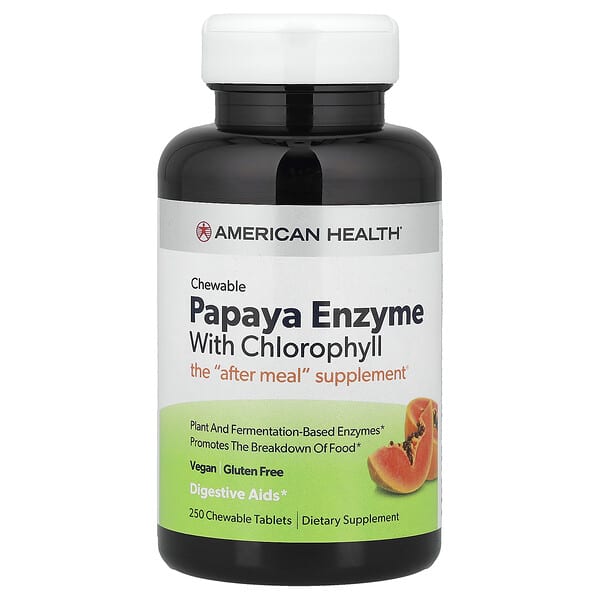
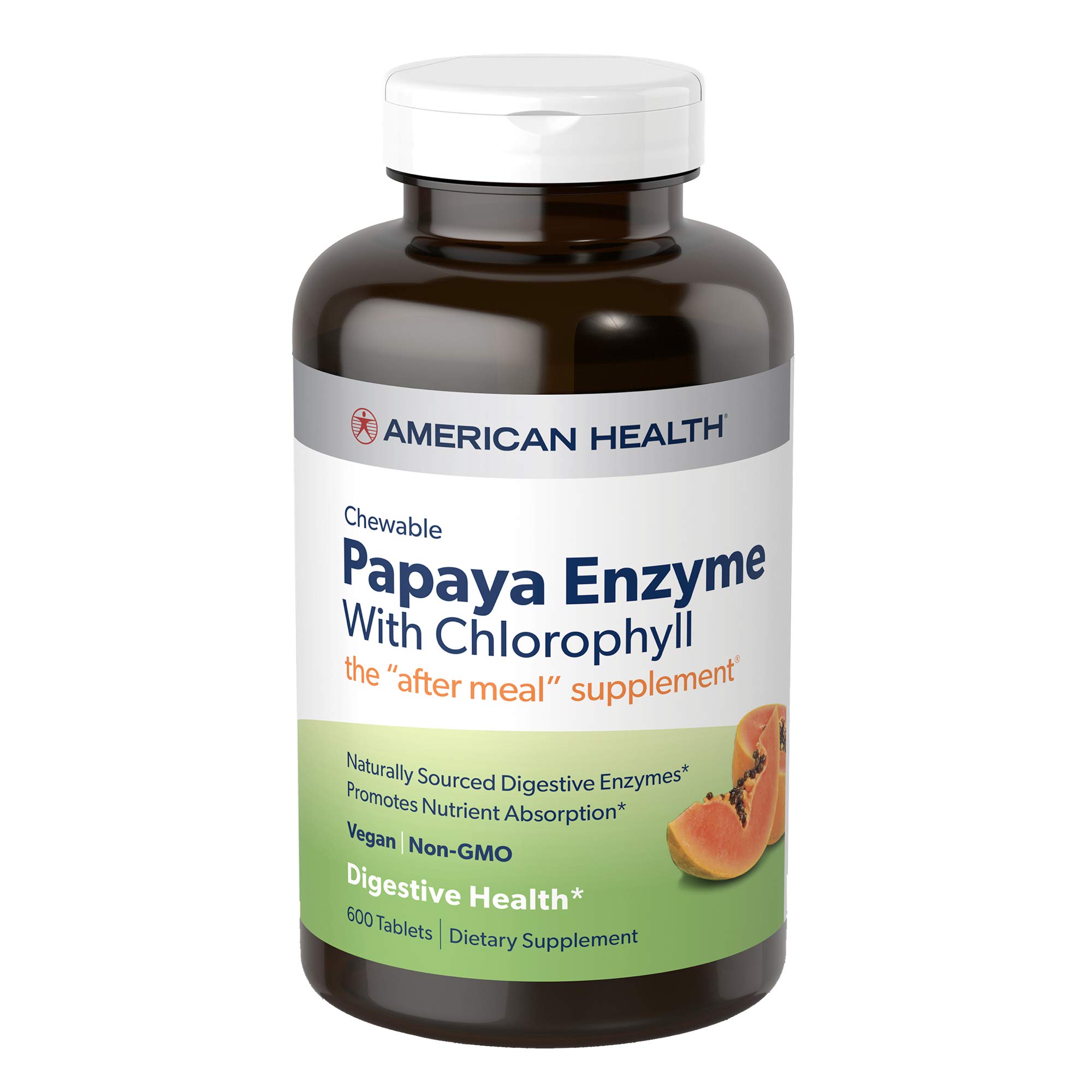
Every active here is dosed below the amount studied to work. See how each one compares in the breakdown below.
Best for
Ingredients (4)
Papain
45%Dose
45 mg
Target
100–500 mg
Form
—
Papaya Fruit
2%Dose
20 mg
Target
1000–9000 mg
Form
—
Protease
0%Dose
40 hut
Target
30000–60000 hut
Form
—
Alpha Amylase
8 mgUnit not recognized — not scored
Other Ingredients (8)
FructoseSweetener
Added free fructose is metabolized in the liver and at habitual intake is linked to elevated triglycerides, hepatic fat accumulation, and insulin resistance; an avoidable sugar load with no supplement benefit.
MannitolSweetener
A FODMAP sugar alcohol that can cause GI distress (bloating, gas, diarrhea) at higher doses. Supplement amounts are typically small, but individuals with IBS or sugar alcohol sensitivity may react even at low doses.
SucroseSweetener
Added sugars and high glycemic load; dental caries risk
DextroseSweetener
A simple glucose sugar used as a bulking agent, sweetener, and tablet diluent
Natural FlavorsFlavor
Broad regulatory category of flavor constituents derived from natural sources. Composition is proprietary and not disclosed — 'Natural Flavors' can include several hundred different compounds depending on the target flavor profile, including hexane-extracted constituents and proprietary carrier solvents. 'Natural' is a regulatory definition (21 CFR §101.22), not a safety guarantee.
Silicon DioxideAnti-caking
Fine silica powder used to prevent clumping
Magnesium StearateLubricant
A salt of stearic acid used as a lubricant in tablet and capsule production
Stearic AcidLubricant
Saturated fatty acid used as tablet lubricant
How to Take It
Take it anytime
Timing doesn't matter for this one — taking it consistently does.
With or without food
On the label
For adults, take three (3) chewable tablets following a meal, one to three times daily.
General guidance based on the ingredients, not a substitute for the label or your doctor.
Price Check
$12.99
Cheaper than 65% of 10 papaya enzyme supplements
Track this supplement in your stack
Get personalized insights, interactions, and coverage recommendations.
Get Started FreeSimilar Supplements
American Health
Chewable Papaya Enzyme with Chlorophyll, 250 Chewable Tablets
🍏 for Digestion
6
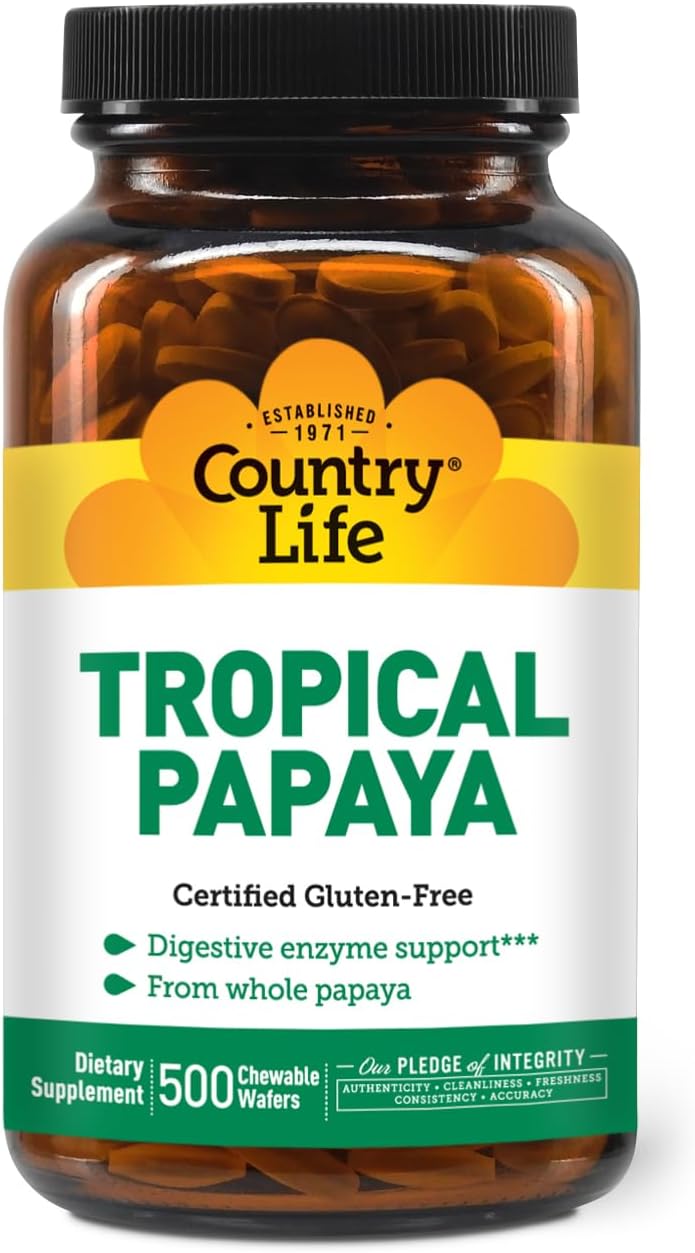
Country Life
Natural Tropical Papaya
🍏 for Digestion
2
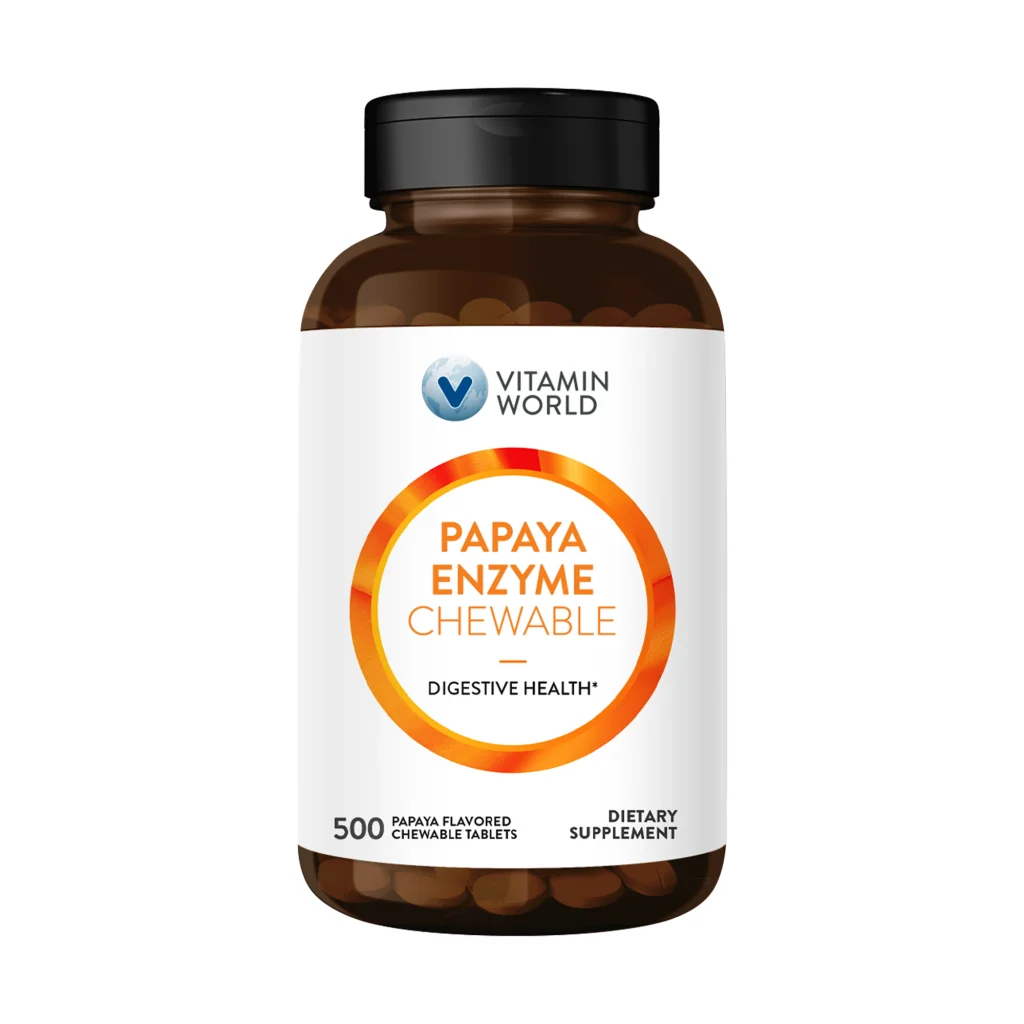
Vitamin World
Papaya Enzyme Chewable
🦷 for Dental
18
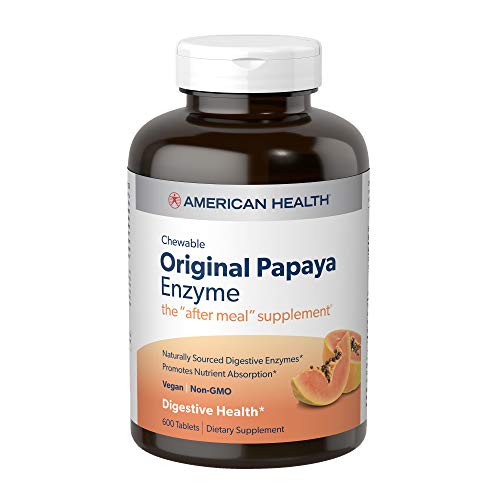
American Health
Chewable Original Papaya Enzyme
🦷 for Dental
17
American Health
Chewable Papaya Enzyme With Chlorophyll
🍏 for Digestion
6
Sources & Scoring
Nutrient data (RDA, UL, and safety thresholds) sourced from the NIH Office of Dietary Supplements and the National Academies Dietary Reference Intakes (DRI).
This is not medical advice. Consult a healthcare provider before making changes to your supplement routine.
The score analyzes what's on the label: ingredient doses vs. studied ranges, chemical forms, evidence levels, and known interactions. It does not verify label accuracy or test for contaminants — for that, look for third-party certifications like USP or NSF.