BioStacks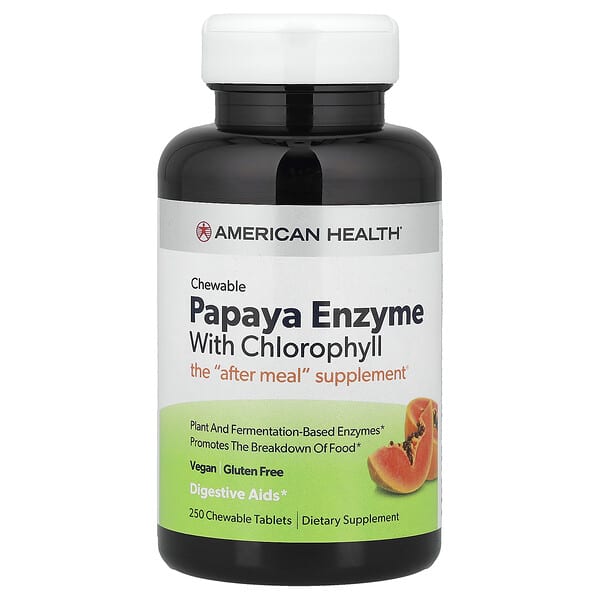
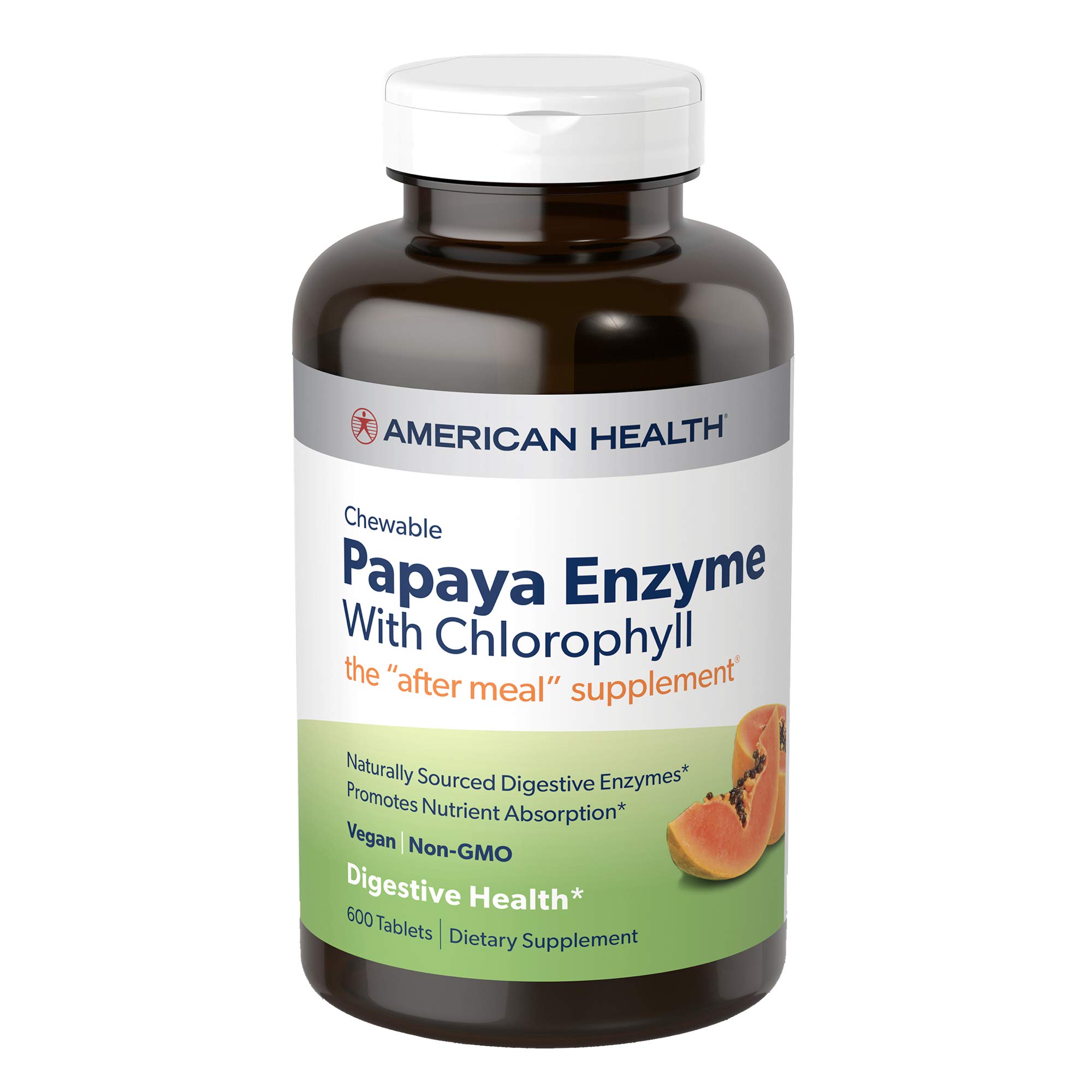
Every active here is dosed below the amount studied to work. See how each one compares in the breakdown below.
Best for
Ingredients (4)
Papain
28%Dose
28 mg
Target
100–500 mg
Form
—
Papaya
2%Dose
22 mg
Target
1000–9000 mg
Form
—
Protease
24 mgUnit not recognized — not scored
Alpha-Amylase
24 mgUnit not recognized — not scored
Other Ingredients (11)
FructoseSweetener
Added free fructose is metabolized in the liver and at habitual intake is linked to elevated triglycerides, hepatic fat accumulation, and insulin resistance; an avoidable sugar load with no supplement benefit.
MaltodextrinBinder
Spikes blood sugar faster than table sugar (glycemic index 85–105). Research links it to gut bacteria changes that may promote intestinal inflammation (Nickerson et al. 2015). Used as a cheap filler — adds nothing beneficial.
MannitolSweetener
A FODMAP sugar alcohol that can cause GI distress (bloating, gas, diarrhea) at higher doses. Supplement amounts are typically small, but individuals with IBS or sugar alcohol sensitivity may react even at low doses.
Magnesium StearateLubricant
A salt of stearic acid used as a lubricant in tablet and capsule production
Apple FlavorFlavor
A flavoring formulated to taste of apple
Silicon DioxideAnti-caking
Fine silica powder used to prevent clumping
Microcrystalline CelluloseBinder
Plant-derived cellulose used as a binder and filler in supplements
GlycineAmino Acid
Non-essential amino acid; smallest of the 20 proteinogenic amino acids. Mildly sweet taste — sometimes used as a low-glycemic flavor modifier in addition to its bioactive role
How to Take It
Take it anytime
Timing doesn't matter for this one — taking it consistently does.
With or without food
On the label
Adults chew four (4) wafers after each meal, up to three times a day.
General guidance based on the ingredients, not a substitute for the label or your doctor.
Track this supplement in your stack
Get personalized insights, interactions, and coverage recommendations.
Get Started FreeSimilar Supplements
American Health
Chewable Papaya Enzyme with Chlorophyll, 250 Chewable Tablets
🍏 for Digestion
6
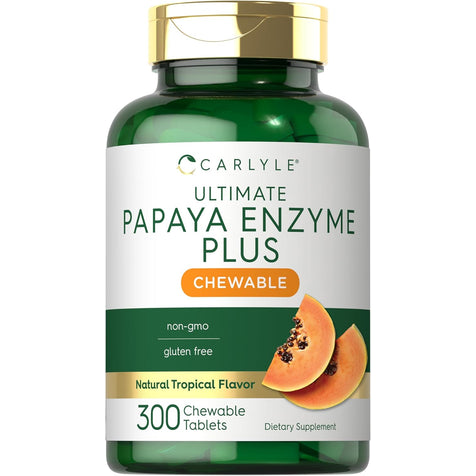
Carlyle
Ultimate Papaya Enzyme Plus
🍏 for Digestion
6
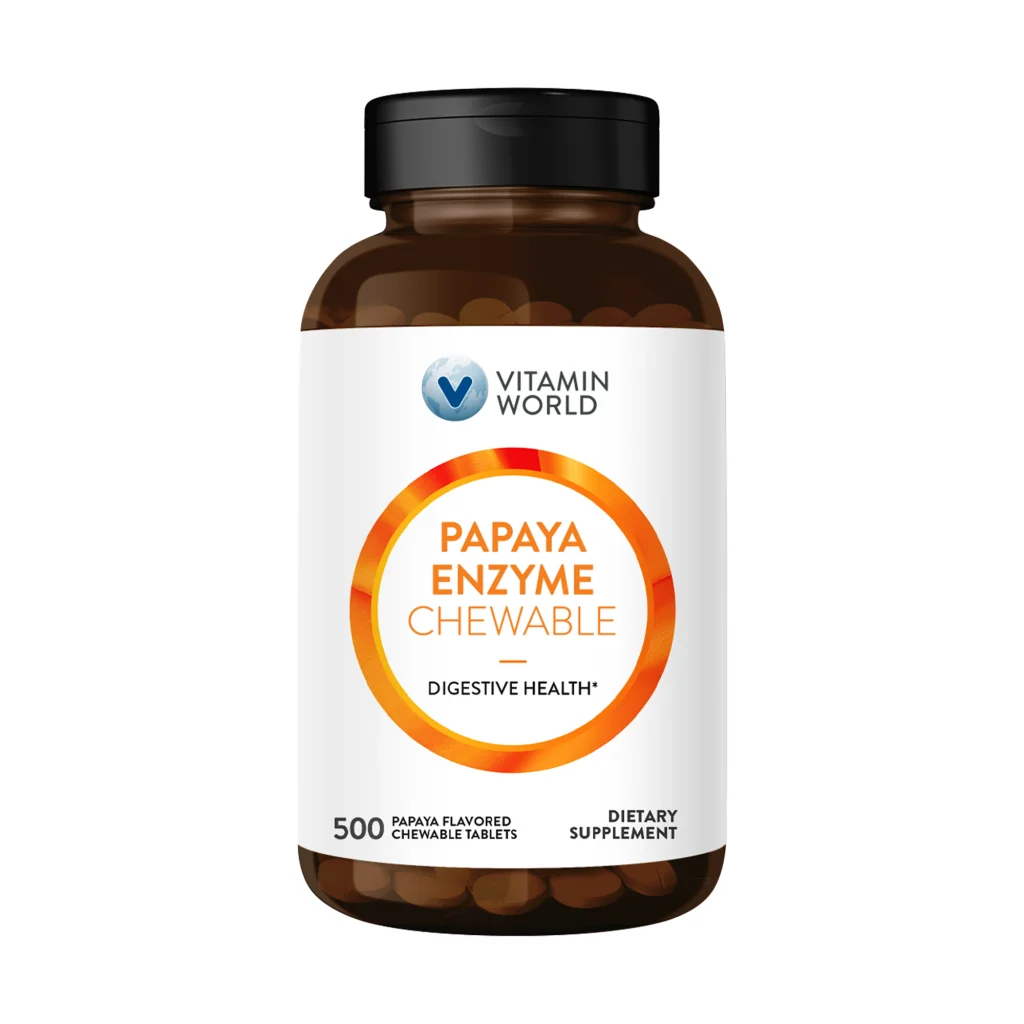
Vitamin World
Papaya Enzyme Chewable
🦷 for Dental
18
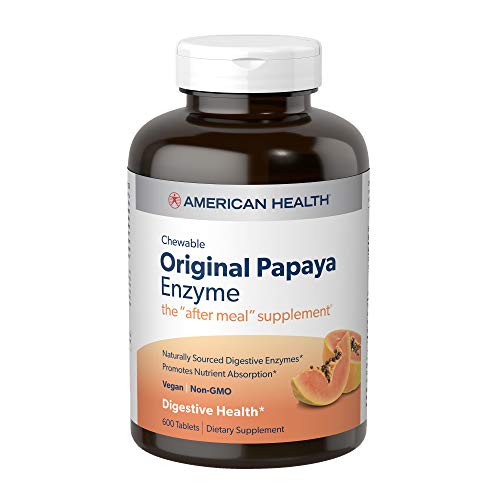
American Health
Chewable Original Papaya Enzyme
🦷 for Dental
17
American Health
Chewable Papaya Enzyme With Chlorophyll
🍏 for Digestion
6
Sources & Scoring
Nutrient data (RDA, UL, and safety thresholds) sourced from the NIH Office of Dietary Supplements and the National Academies Dietary Reference Intakes (DRI).
This is not medical advice. Consult a healthcare provider before making changes to your supplement routine.
The score analyzes what's on the label: ingredient doses vs. studied ranges, chemical forms, evidence levels, and known interactions. It does not verify label accuracy or test for contaminants — for that, look for third-party certifications like USP or NSF.