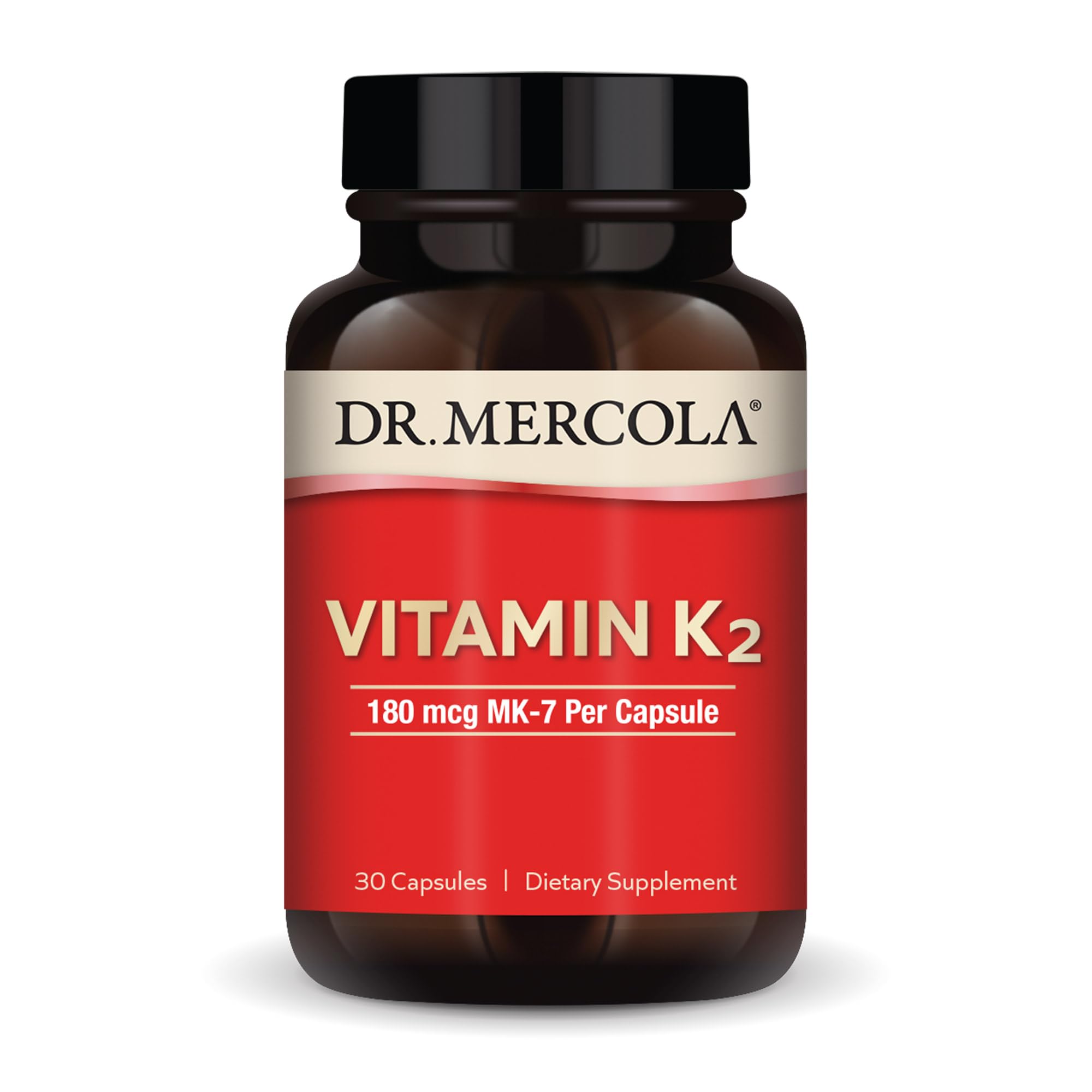
For bone health and calcium metabolism, you're getting 180mcg of **Vitamin K2** as MK-7 at the recommended two capsules daily — right in the middle of the 90–200mcg clinical range. MK-7 is the preferred K2 form because it stays active in your body for roughly four days, compared to hours for MK-4, giving you steady coverage from a once-daily dose.
K2's primary role is directing calcium into your bones and teeth instead of letting it accumulate in your arteries. If you're already taking vitamin D and calcium, adding K2 is especially relevant since vitamin D increases calcium absorption — and K2 helps make sure that calcium ends up where you want it.
If you're on blood thinners (warfarin or similar anticoagulants), this product requires medical supervision. Vitamin K directly affects blood clotting, and even supplemental K2 can interfere with your medication dosing.
BioStacks
Best for
Ingredients (1)
Vitamin K2
100%Dose
180 mcg
Target
90–200 mcg
Form
Premium
Other Ingredients (2)
SoftgelCapsule
One-piece gelatin capsule shell with a plasticizer (typically glycerin), used to encapsulate liquid or oil-based supplements
Soya bean oil
Not reviewed yet
How to Take It
Take it anytime
Fat-soluble — take with a meal containing fat for better absorption. Time of day doesn't matter.
With a meal containing fat
On the label
Adults aged 18 and over: Take 2 capsules daily with food or as directed by your health professional. Children aged 10-18: Take 1 capsule daily with food.
General guidance based on the ingredients, not a substitute for the label or your doctor.
Price Check
No price yet
What 144 vitamin K supplements cost
Track this supplement in your stack
Get personalized insights, interactions, and coverage recommendations.
Get Started FreeSimilar Supplements
Sources & Scoring
Nutrient data (RDA, UL, and safety thresholds) sourced from the NIH Office of Dietary Supplements and the National Academies Dietary Reference Intakes (DRI).
This is not medical advice. Consult a healthcare provider before making changes to your supplement routine.
The score analyzes what's on the label: ingredient doses vs. studied ranges, chemical forms, evidence levels, and known interactions. It does not verify label accuracy or test for contaminants — for that, look for third-party certifications like USP or NSF.