BioStacksAsk AI about this product
What it does
The product name and ingredient list do not agree; purpose cannot be confirmed.
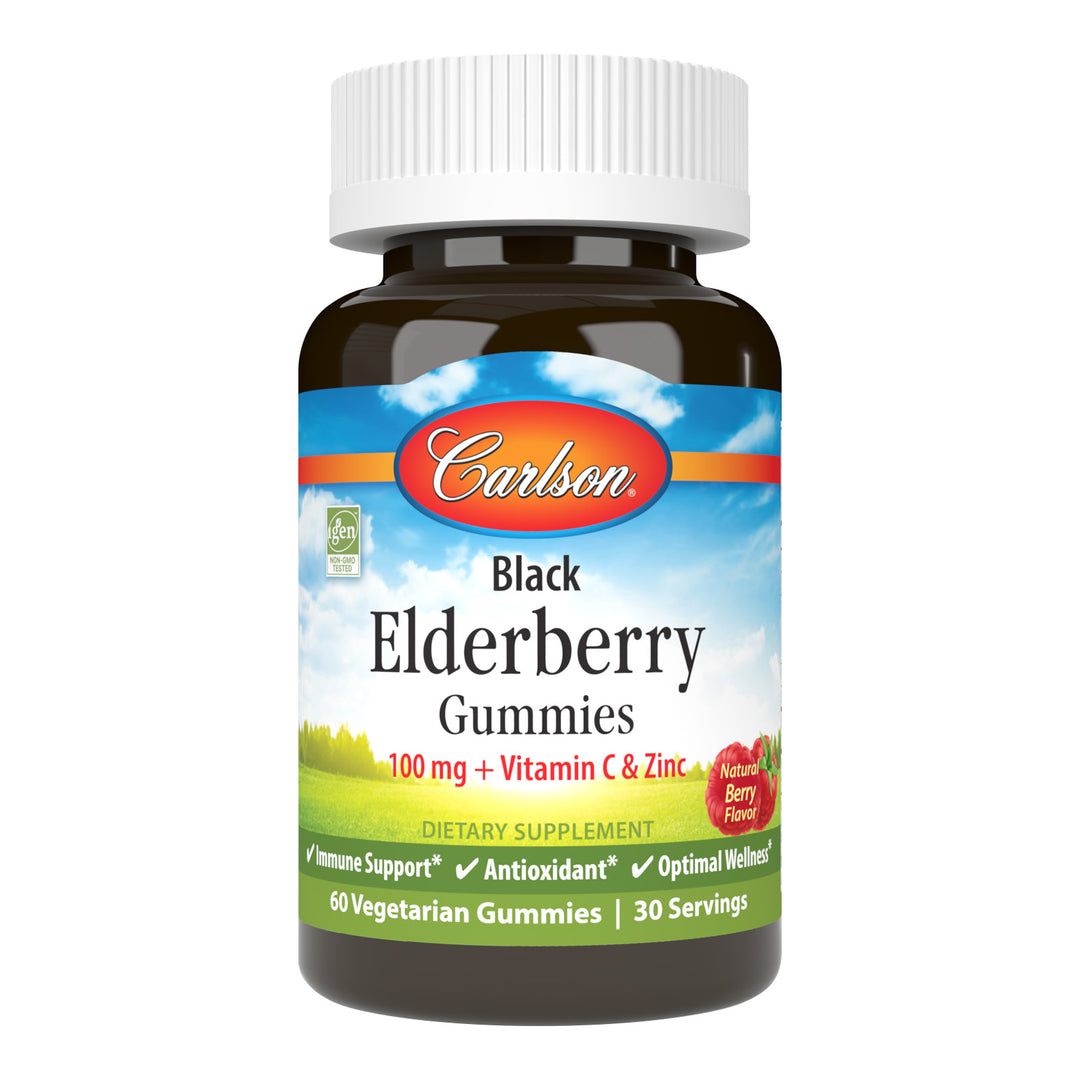
Vitamin C
Mixed formsGrade —
Label lists Vitamin C (100 mg). Benefit information is limited.
Sodium
Mixed formsGrade —
Label lists Sodium (5 mg). Benefit information is limited.
Ingredients (2)
Nutrition
Calories, macros & sodium.
- Sodium5 mg
Other ingredients
FructoseSweetener
Added free fructose is metabolized in the liver and at habitual intake is linked to elevated triglycerides, hepatic fat accumulation, and insulin resistance; an avoidable sugar load with no supplement benefit.
Glucose SyrupSweetener
High glycemic load; source typically corn (generally gluten-free)
MaltodextrinBinder
Spikes blood sugar faster than table sugar (glycemic index 85–105). Research links it to gut bacteria changes that may promote intestinal inflammation (Nickerson et al. 2015). Used as a cheap filler — adds nothing beneficial.
SorbitolSweetener
A FODMAP sugar alcohol that may trigger GI discomfort (bloating, gas) in individuals with IBS or sorbitol malabsorption, even at small amounts found in supplements. Avoided in low-FODMAP diets.
Fruit Juice (unspecified)Colorant
Juice or juice concentrate used primarily for natural color and flavor in gummies
Magnesium StearateLubricant
A salt of stearic acid used as a lubricant in tablet and capsule production
Natural Cherry FlavorFlavor
A flavoring derived from natural cherry sources
Silicon DioxideAnti-caking
Fine silica powder used to prevent clumping
Lab testing
How to take it
With food
Space it a couple of hours from Iron and Calcium
On the label
Adults allow one (1) zinc lozenge to dissolve in mouth before swallowing. Do not take more than two (2) lozenges in one (1) day. As a reminder, discuss the supplements and medications that you take with your health care providers.
Price check
$9.99
$0.17 / serving
Cheaper than 70% of 219 zinc supplements
Similar products
Sources & Scoring
Nutrient data (RDA, UL, and safety thresholds) sourced from the NIH Office of Dietary Supplements and the National Academies Dietary Reference Intakes (DRI).
This is not medical advice. Consult a healthcare provider before making changes to your supplement routine.
The score analyzes what's on the label: ingredient doses vs. studied ranges, chemical forms, evidence levels, and known interactions. It does not verify label accuracy or test for contaminants — for that, look for third-party certifications like USP or NSF.
Not medical advice. Consult your healthcare professional.