This joint-support formula is built on the three most-studied cartilage ingredients — **glucosamine** at 1,500mg, **chondroitin** at 1,200mg, and **MSM** at 1,000mg — and two of the three land right at their clinically studied doses. The 1,500mg of glucosamine sulfate matches the exact daily amount used in the GAIT trial and most European osteoarthritis studies, and the 1,200mg of chondroitin sits at the top of its 800–1,200mg studied range. You get a full four-capsule serving each day, so the label dose is the studied dose — no need to double up.
Here is the honest part: the evidence for this trio is genuinely mixed. Across the GAIT trial and later meta-analyses, glucosamine and chondroitin show modest relief for moderate-to-severe knee pain in some studies and little in others, and **MSM** has a smaller body of research for pain and function. This is a well-dosed version of a stack that helps some people meaningfully and does little for others — not a guaranteed fix for joint discomfort.
The one dose to watch is the MSM: at 1,000mg you are at the floor of its 1,000–3,000mg studied range, where pain-and-function benefits tend to be smaller. It is the branded OptiMSM, distilled for purity, so the form is solid even if the amount sits on the low end. One thing worth knowing — the glucosamine here comes from crab and shrimp shells, so skip it if you have a shellfish allergy.
BioStacks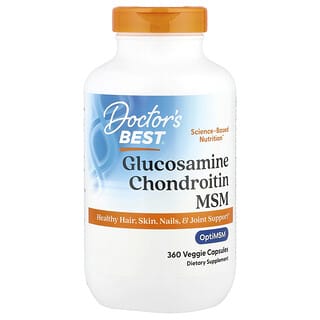
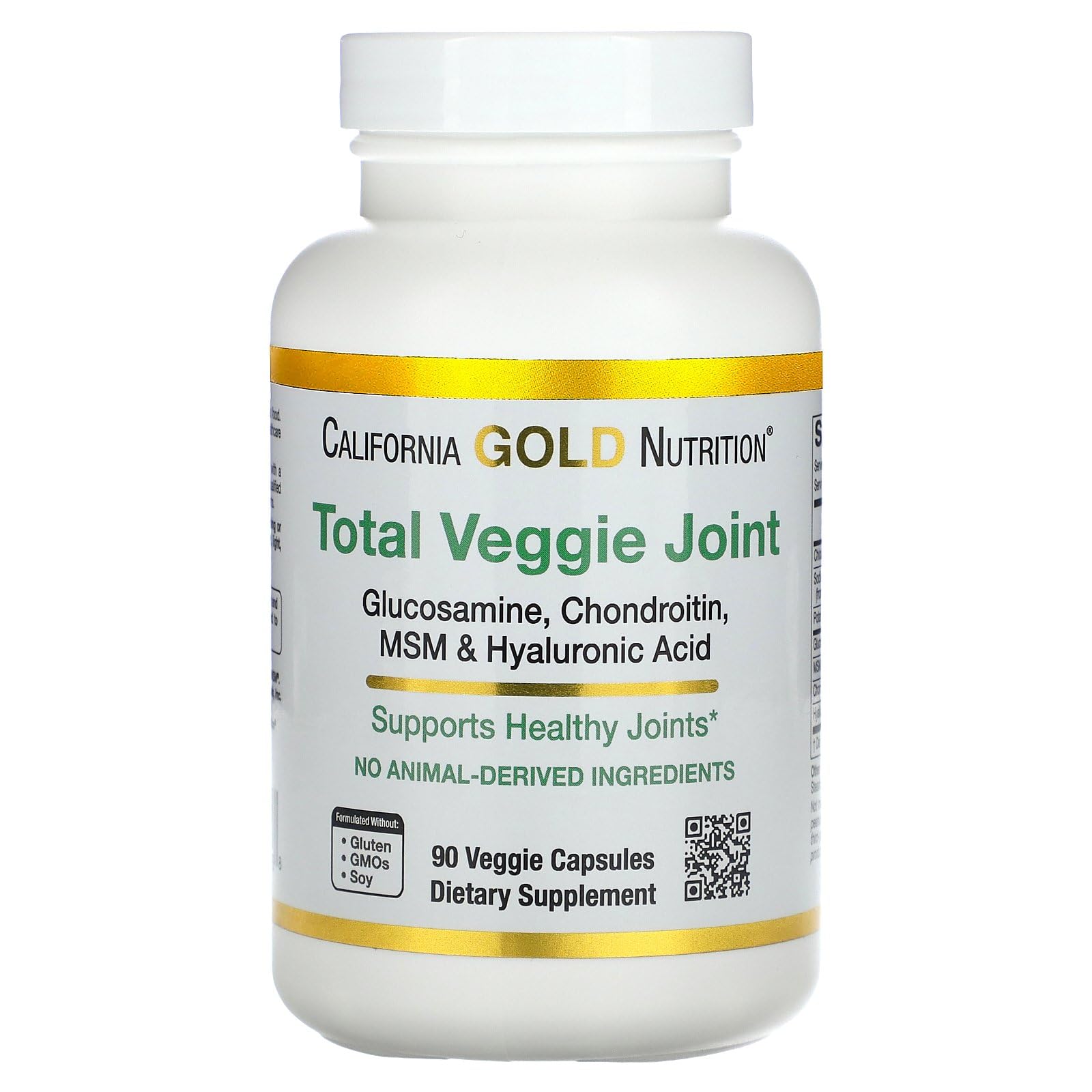
Best for
Ingredients (5)
Potassium
100%Dose
180 mg
Target
99–500 mg
Form
Standard
OptiMSM
100%Dose
1000 mg
Target
1000–3000 mg
Form
—
Glucosamine Sulfate Potassium Chloride
100%Dose
1500 mg
Target
1000–1500 mg
Form
Standard
Chondroitin Sulfate
100%Dose
1200 mg
Target
800–1200 mg
Form
Standard
Chloride
172 mgTrace amount — not scored
Nutrition
Calories, macros & sodium.
- Sodium150 mg
Other Ingredients (4)
Magnesium StearateLubricant
A salt of stearic acid used as a lubricant in tablet and capsule production
Silicon DioxideAnti-caking
Fine silica powder used to prevent clumping
GelatinCapsule
Protein derived from collagen, used in traditional capsule shells
Microcrystalline CelluloseBinder
Plant-derived cellulose used as a binder and filler in supplements
How to Take It
Take it anytime
Take with food — potassium salts on an empty stomach commonly cause nausea.
With food
On the label
Suggested adult use: Take 4 capsules daily with food, or as recommended by a nutritionally informed physician.
General guidance based on the ingredients, not a substitute for the label or your doctor.
Price Check
No price yet
What 65 chondroitin supplements cost
Track this supplement in your stack
Get personalized insights, interactions, and coverage recommendations.
Get Started FreeSimilar Supplements
Doctor's Best
Glucosamine Chondroitin MSM with OptiMSM
🦴 for Bone & Joint
77
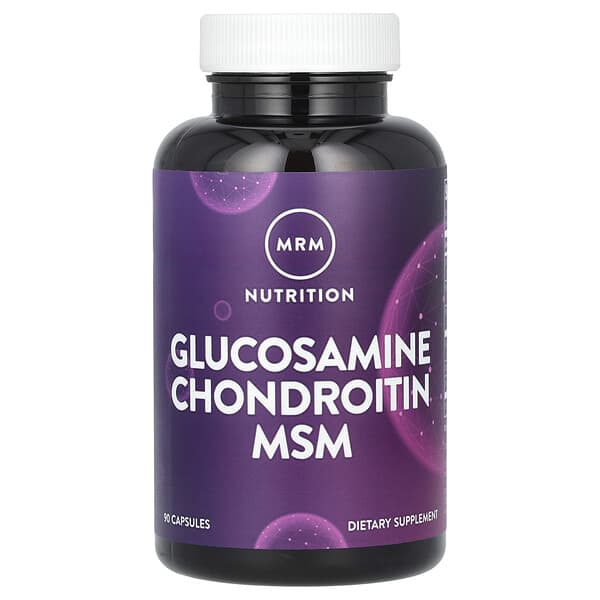
MRM Nutrition
Glucosamine Chondroitin MSM
🦴 for Bone & Joint
74
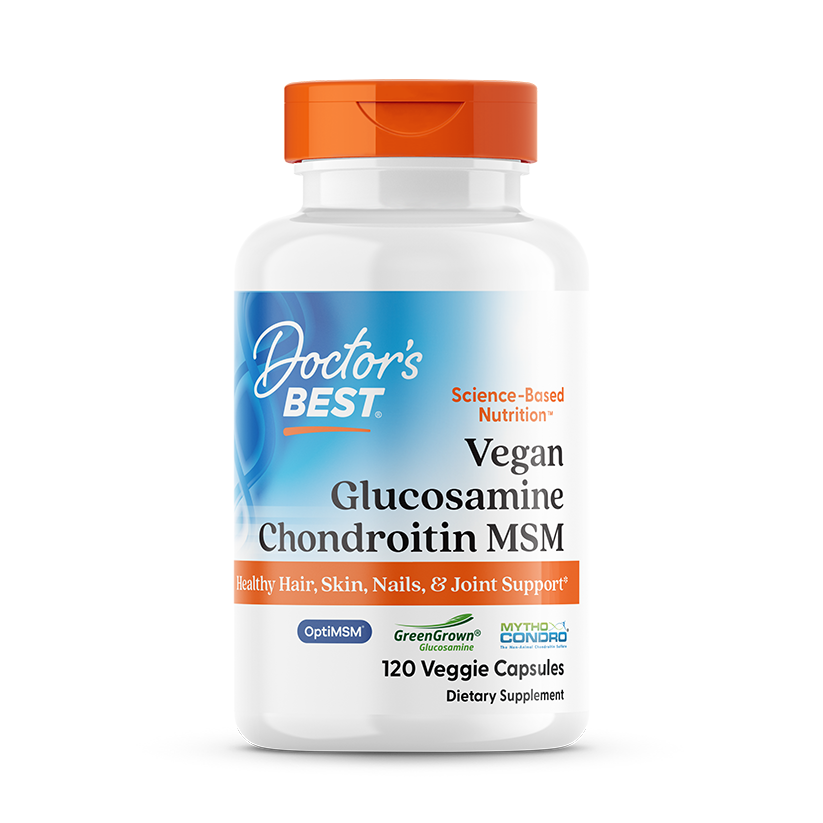
Doctor's Best
Vegan Glucosamine Chondroitin MSM
🦴 for Bone & Joint
71
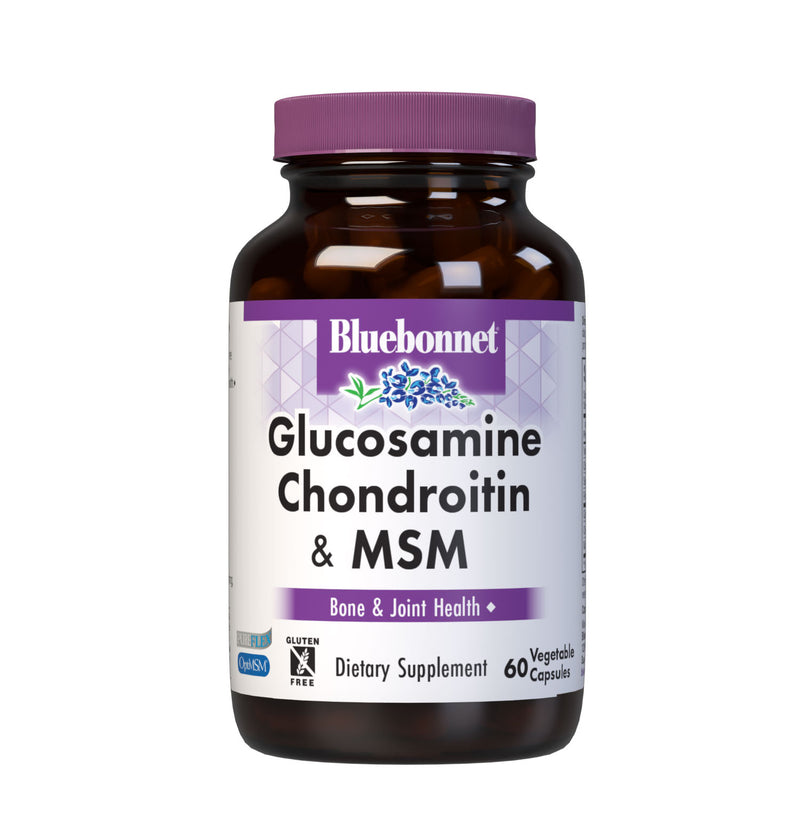
Bluebonnet
Glucosamine Chondroitin Plus MSM
🦴 for Bone & Joint
60
California Gold Nutrition
Total Veggie Joint & Bone Support Formula
✨ for Skin
54
Sources & Scoring
Nutrient data (RDA, UL, and safety thresholds) sourced from the NIH Office of Dietary Supplements and the National Academies Dietary Reference Intakes (DRI).
This is not medical advice. Consult a healthcare provider before making changes to your supplement routine.
The score analyzes what's on the label: ingredient doses vs. studied ranges, chemical forms, evidence levels, and known interactions. It does not verify label accuracy or test for contaminants — for that, look for third-party certifications like USP or NSF.