**Nattokinase** at 4,000 FU per capsule — right at the top of the clinically studied range for cardiovascular support. A meta-analysis of six RCTs found this dose range can modestly reduce blood pressure and enhance your body's natural ability to break down fibrin, the protein involved in blood clot formation. The NSK-SD branded form used here is vitamin K-free, which matters if you're on blood thinners.
The formula also includes a blend of digestive enzymes alongside the nattokinase, though the **Bromelain** at 96 GDU is well below the 1,200+ GDU range studied for anti-inflammatory benefits — at this dose, it's contributing to digestion rather than joint or inflammation support.
The directions suggest taking this on an empty stomach, which is important — nattokinase's fibrinolytic activity is best studied when taken away from food. If you're using blood-thinning medication, check with your doctor before adding this to your routine.
BioStacks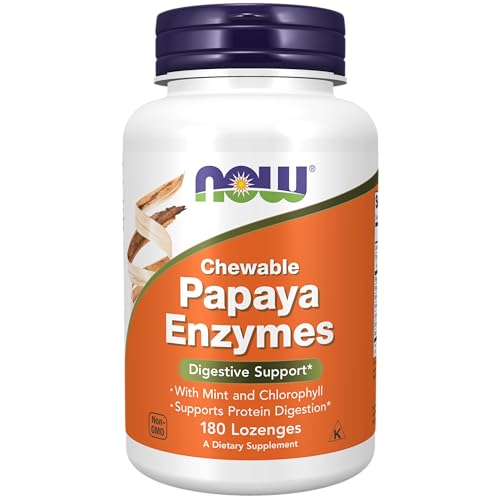
Best for
Ingredients (9)
Nattokinase
100%Dose
4000 FU
Target
2000–4000 fu
Form
—
Cellulase
100%Dose
1000 CU
Target
500–1000 cu
Form
—
Glucoamylase
100%Dose
40 AGU
Target
20–50 agu
Form
—
Lipase
69%Dose
685 FIP
Target
1000–3000 fip
Form
—
Protease
53%Dose
16000 HUT
Target
30000–60000 hut
Form
—
Other Ingredients (1)
Capsule ShellCapsule
Generic capsule shell where the label does not specify the material. Common materials are hypromellose (HPMC) for vegetarian capsules and gelatin for traditional capsules — both are GRAS-listed and safe. Fish gelatin and pullulan variants also exist.
How to Take It
Take it anytime
Timing doesn't matter for this one — taking it consistently does.
With or without food
On the label
Recommended Usage: Take 1 per day on an empty stomach (1/2 hour before or 2 hours after a meal). More may be taken as recommended by your healthcare practitioner.*
General guidance based on the ingredients, not a substitute for the label or your doctor.
Price Check
$46.99
Pricier than 88% of 10 nattokinase supplements
Track this supplement in your stack
Get personalized insights, interactions, and coverage recommendations.
Get Started FreeSimilar Supplements
NOW
Chewable Papaya Enzymes
🍏 for Digestion
40
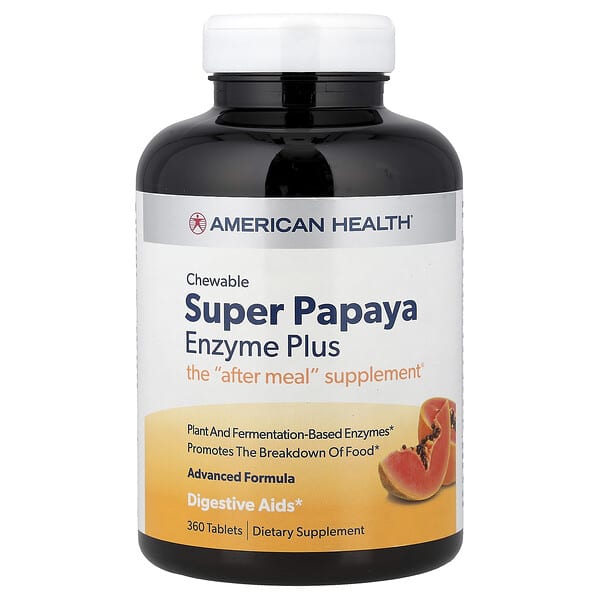
American Health
Chewable Super Papaya Enzyme Plus
🍏 for Digestion
6
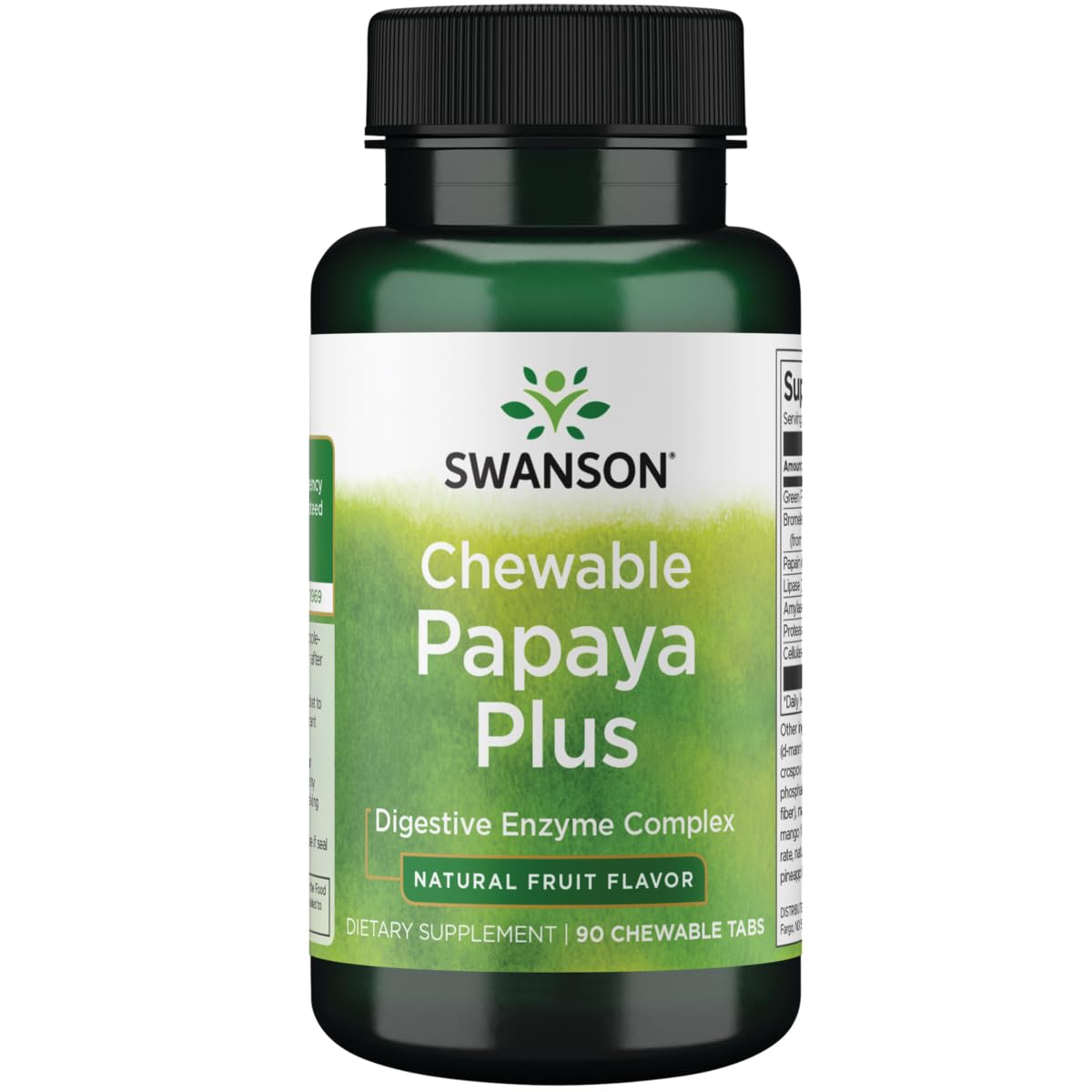
Swanson
Chewable Papaya Plus Digestive Enzyme Complex Natural Fruit Flavor
🍏 for Digestion
0
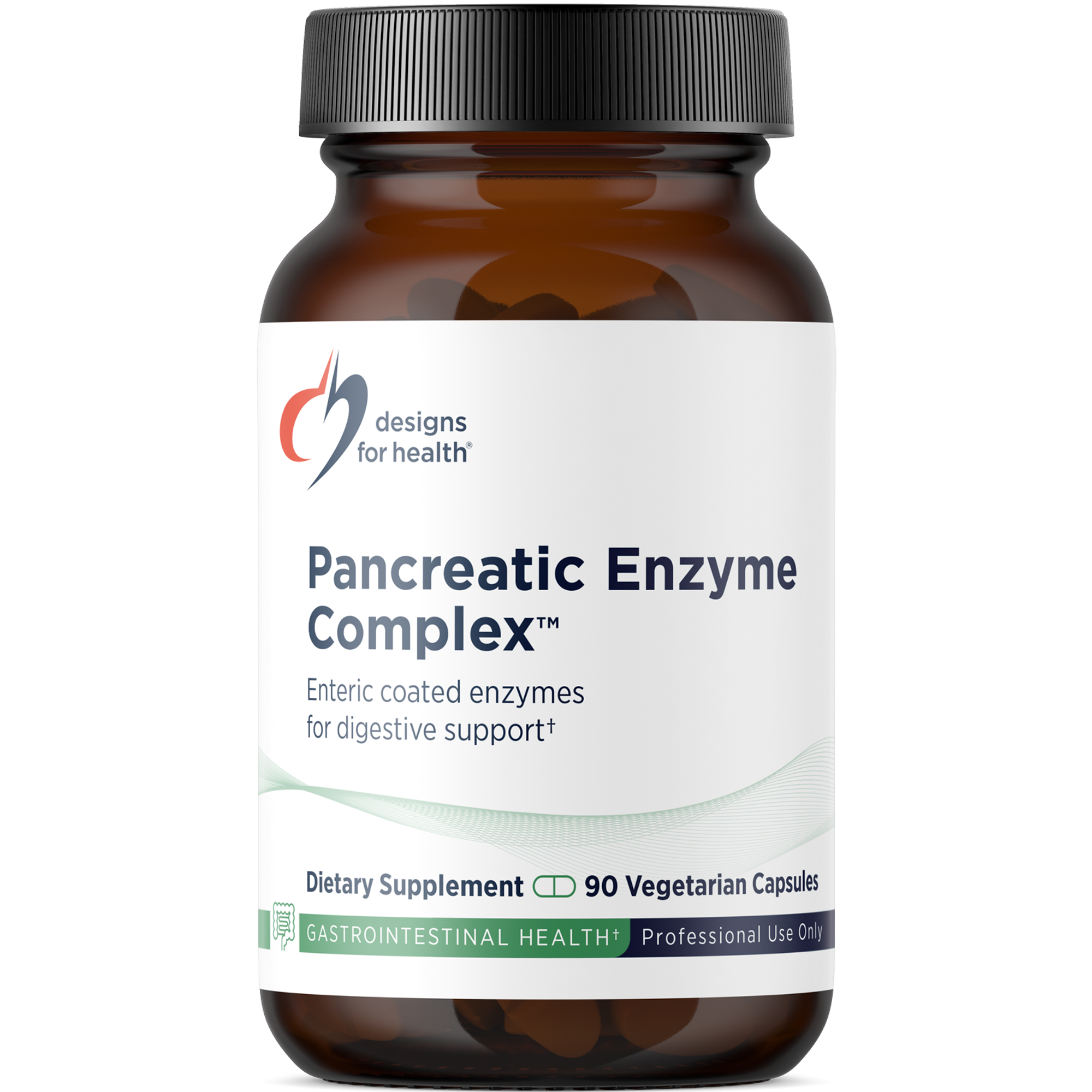
Designs for Health
Pancreatic Enzyme Complex™
🍏 for Digestion
43
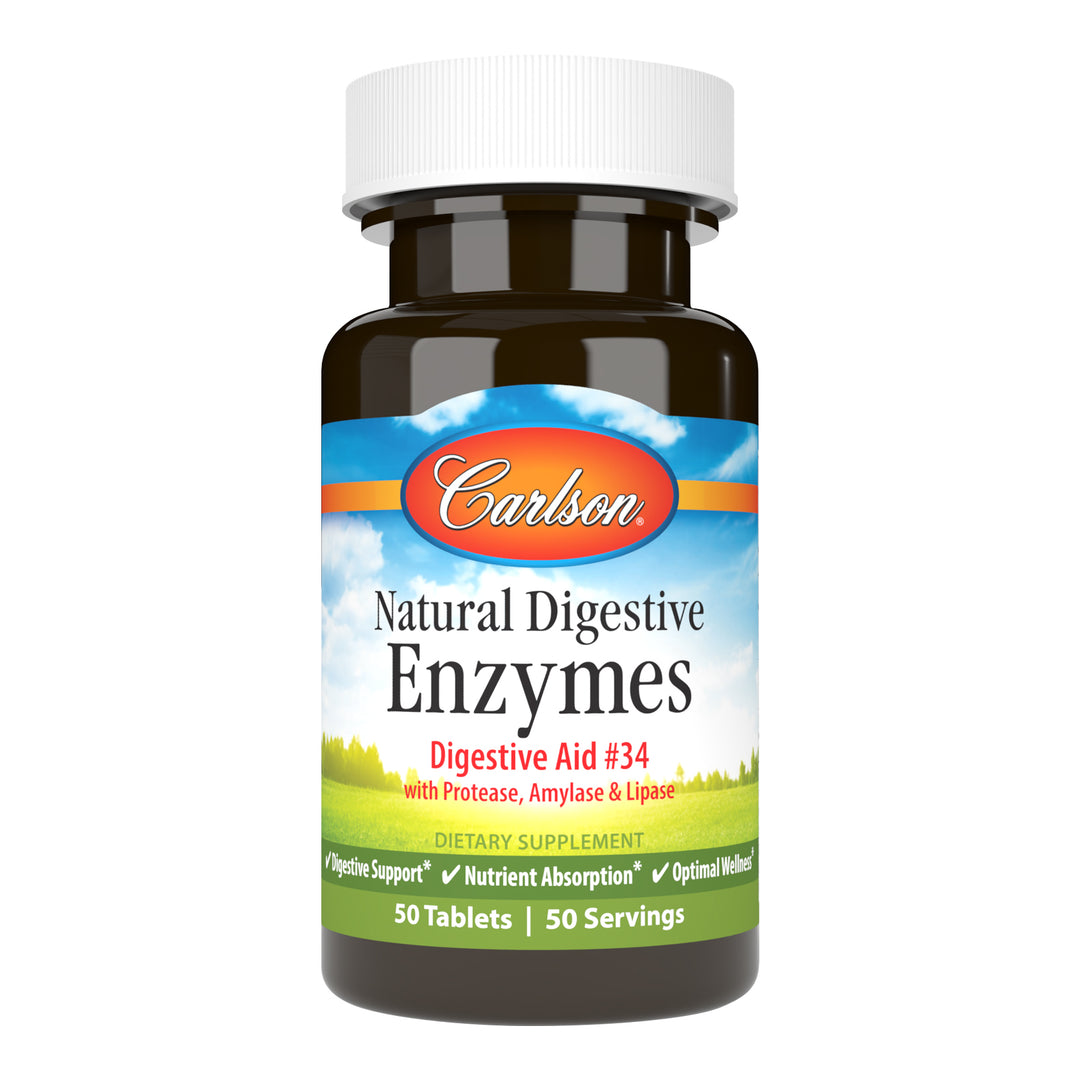
Carlson
Natural Digestive Enzymes
🍏 for Digestion
39
Sources & Scoring
Nutrient data (RDA, UL, and safety thresholds) sourced from the NIH Office of Dietary Supplements and the National Academies Dietary Reference Intakes (DRI).
This is not medical advice. Consult a healthcare provider before making changes to your supplement routine.
The score analyzes what's on the label: ingredient doses vs. studied ranges, chemical forms, evidence levels, and known interactions. It does not verify label accuracy or test for contaminants — for that, look for third-party certifications like USP or NSF.