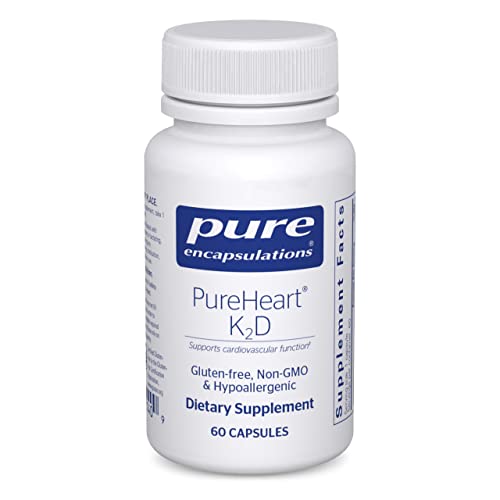
For bone strength and immune support, this pairs two nutrients that work better together. **Vitamin D3** at 5,000 IU sits right at the top of the clinical range (1,000–5,000 IU), and it's in the preferred cholecalciferol form — so your body can use it efficiently to support calcium absorption and immune function.
**Vitamin K2** at 90mcg as MK-7 falls within the studied range (90–200mcg). K2's job is directing calcium into your bones and teeth instead of your arteries, which is especially important when you're supplementing higher-dose D3. The MK-7 form has a long half-life, so once-daily dosing works well.
The K2 dose is on the lower end of the clinical range. If you're specifically targeting bone density, you may want closer to 120–200mcg. But as a daily maintenance combo for D3 and K2 together, the doses here are solid.
BioStacks
Best for
Ingredients (2)
Vitamin D3
100%Dose
5000 IU
Target
1000–5000 IU
Form
Premium
Vitamin K2
100%Dose
90 mcg
Target
90–200 mcg
Form
Premium
Other Ingredients (4)
Magnesium StearateLubricant
A salt of stearic acid used as a lubricant in tablet and capsule production
Silicon DioxideAnti-caking
Fine silica powder used to prevent clumping
Microcrystalline CelluloseBinder
Plant-derived cellulose used as a binder and filler in supplements
Microcrystalline CelluloseBinder
Plant-derived cellulose used as a binder and filler in supplements
How to Take It
Take it anytime
Fat-soluble — take with your largest fat-containing meal. Time of day doesn't matter.
With a meal containing fat
General guidance based on the ingredients, not a substitute for the label or your doctor.
Price Check
$17.99
Near the median of 144 vitamin K supplements
Track this supplement in your stack
Get personalized insights, interactions, and coverage recommendations.
Get Started FreeSimilar Supplements
Sources & Scoring
Nutrient data (RDA, UL, and safety thresholds) sourced from the NIH Office of Dietary Supplements and the National Academies Dietary Reference Intakes (DRI).
This is not medical advice. Consult a healthcare provider before making changes to your supplement routine.
The score analyzes what's on the label: ingredient doses vs. studied ranges, chemical forms, evidence levels, and known interactions. It does not verify label accuracy or test for contaminants — for that, look for third-party certifications like USP or NSF.