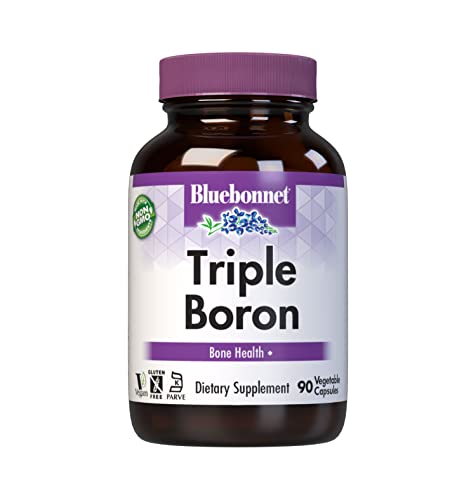
At 3 mg, this **Boron** supplement matches the most common dose used in clinical research, so you get a full studied amount in one capsule. Boron is a trace mineral your body uses to help retain calcium and magnesium and to support steroid hormone activity, the basis for its use in bone and hormone routines. The 3 mg here sits at the bottom of the 3 to 6 mg studied range.
Keep expectations grounded. The evidence is preliminary, mostly small, older trials, several in people eating low-boron diets, showing modest shifts in markers like calcium retention and free testosterone. Boron is part of these pathways, but it is not a proven testosterone booster, and most diets already supply some from fruit, nuts, and vegetables. The label also includes 25 mg of riboflavin. This is a low-cost, well-dosed option if you want targeted bone or hormone support and eat little produce.
BioStacks
Best for
Ingredients (2)
Boron Complex
100%Dose
3 mg
Target
3–6 mg
Form
Premium
Riboflavin
100%Dose
25 mg
Target
25–100 mg
Form
Budget
Other Ingredients (2)
Microcrystalline CelluloseBinder
Plant-derived cellulose used as a binder and filler in supplements
Microcrystalline CelluloseBinder
Plant-derived cellulose used as a binder and filler in supplements
How to Take It
Best taken in the morning
Many people prefer B-vitamins earlier in the day; take with food to avoid nausea.
With food
On the label
Read the entire label and follow the directions carefully prior to use. Directions: Take one (1) capsule daily, or as recommended by a healthcare practitioner.
General guidance based on the ingredients, not a substitute for the label or your doctor.
Price Check
No price yet
What 26 boron supplements cost
Track this supplement in your stack
Get personalized insights, interactions, and coverage recommendations.
Get Started FreeSimilar Supplements
Sources & Scoring
Nutrient data (RDA, UL, and safety thresholds) sourced from the NIH Office of Dietary Supplements and the National Academies Dietary Reference Intakes (DRI).
This is not medical advice. Consult a healthcare provider before making changes to your supplement routine.
The score analyzes what's on the label: ingredient doses vs. studied ranges, chemical forms, evidence levels, and known interactions. It does not verify label accuracy or test for contaminants — for that, look for third-party certifications like USP or NSF.