BioStacks
Best for
Ingredients (1)
Sensoril organic Ashwagandha (Withania somnifera) (root and aerial parts) aqueous extract
100%Dose
125 mg
Target
125–500 mg
Form
Premium
Other Ingredients (5)
CarrageenanThickener
Can break down into poligeenan (a known inflammatory) under stomach acid conditions. Tobacman (2001, Environmental Health Perspectives) reviewed evidence linking carrageenan to intestinal inflammation and ulceration. Major food brands (Silk, Stonyfield) have voluntarily removed it. Used only as a thickener — provides no health benefit.
Rice FlourFiller
Rice-based ingredients carry risk of inorganic arsenic contamination (FDA and Consumer Reports). Rice accumulates arsenic from soil at higher rates than other grains. Used as a cheap filler — adds nothing beneficial.
PotassiumMineral
Essential mineral naturally present in many plant-based supplement ingredients
PullulanCapsule
Polysaccharide produced by fungal fermentation, used as a vegan capsule material
Purified WaterSolvent
Water meeting USP specifications used as solvent/vehicle in gummies and liquids
How to Take It
Best taken in the evening
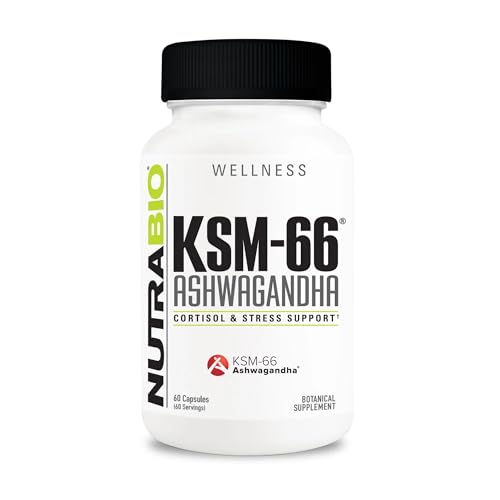
Sensoril is a higher-withanolide root-and-leaf extract, dosed lower (125–250 mg). Evening use is convention — no trial shows it's more sedating than KSM-66. Take it with food.
With food
On the label
As a dietary supplement, take one capsule daily or as directed by a healthcare practitioner.
General guidance based on the ingredients, not a substitute for the label or your doctor.
Price Check
$17.82
Near the median of 146 ashwagandha supplements
Track this supplement in your stack
Get personalized insights, interactions, and coverage recommendations.
Get Started FreeSimilar Supplements
Sources & Scoring
Nutrient data (RDA, UL, and safety thresholds) sourced from the NIH Office of Dietary Supplements and the National Academies Dietary Reference Intakes (DRI).
This is not medical advice. Consult a healthcare provider before making changes to your supplement routine.
The score analyzes what's on the label: ingredient doses vs. studied ranges, chemical forms, evidence levels, and known interactions. It does not verify label accuracy or test for contaminants — for that, look for third-party certifications like USP or NSF.