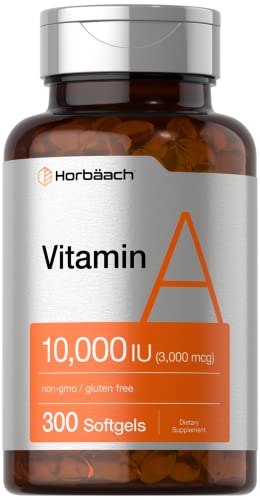
If you need targeted support for vision and immune function, this gives you 3,000mcg (10,000 IU) of **Vitamin A** per softgel — double the top of the typical supplemental range and right at the tolerable upper intake level. This is a high-dose product, and for most adults it delivers more than you need from a supplement alone.
The form is well-chosen: retinyl palmitate combined with fish liver oil provides preformed vitamin A your body can use directly, without the conversion step required by plant-based beta-carotene. The softgel format with olive oil supports absorption of this fat-soluble vitamin.
The key concern is the dose relative to your total diet. At 3,000mcg, you're already at the UL before accounting for any vitamin A from food. This product is not appropriate if you're pregnant or may become pregnant, and long-term daily use at this level warrants a conversation with your healthcare provider.
BioStacks
Other Ingredients (4)
GelatinCapsule
Protein derived from collagen, used in traditional capsule shells
Extra Virgin Olive OilCarrier
Cold-pressed olive oil used as a carrier and filler in softgel capsules for fat-soluble nutrients
GlycerinHumectant
Sweet-tasting liquid used in soft capsules and liquids
Purified WaterSolvent
Water meeting USP specifications used as solvent/vehicle in gummies and liquids
How to Take It
Take it anytime
Fat-soluble — take with a meal containing fat for better absorption. Time of day doesn't matter.
With a meal containing fat
On the label
Suggested Usage: Take 1 softgel daily with a meal.
General guidance based on the ingredients, not a substitute for the label or your doctor.
Price Check
$4.88
Cheaper than 97% of 79 vitamin A supplements
Track this supplement in your stack
Get personalized insights, interactions, and coverage recommendations.
Get Started FreeSimilar Supplements
Sources & Scoring
Nutrient data (RDA, UL, and safety thresholds) sourced from the NIH Office of Dietary Supplements and the National Academies Dietary Reference Intakes (DRI).
This is not medical advice. Consult a healthcare provider before making changes to your supplement routine.
The score analyzes what's on the label: ingredient doses vs. studied ranges, chemical forms, evidence levels, and known interactions. It does not verify label accuracy or test for contaminants — for that, look for third-party certifications like USP or NSF.