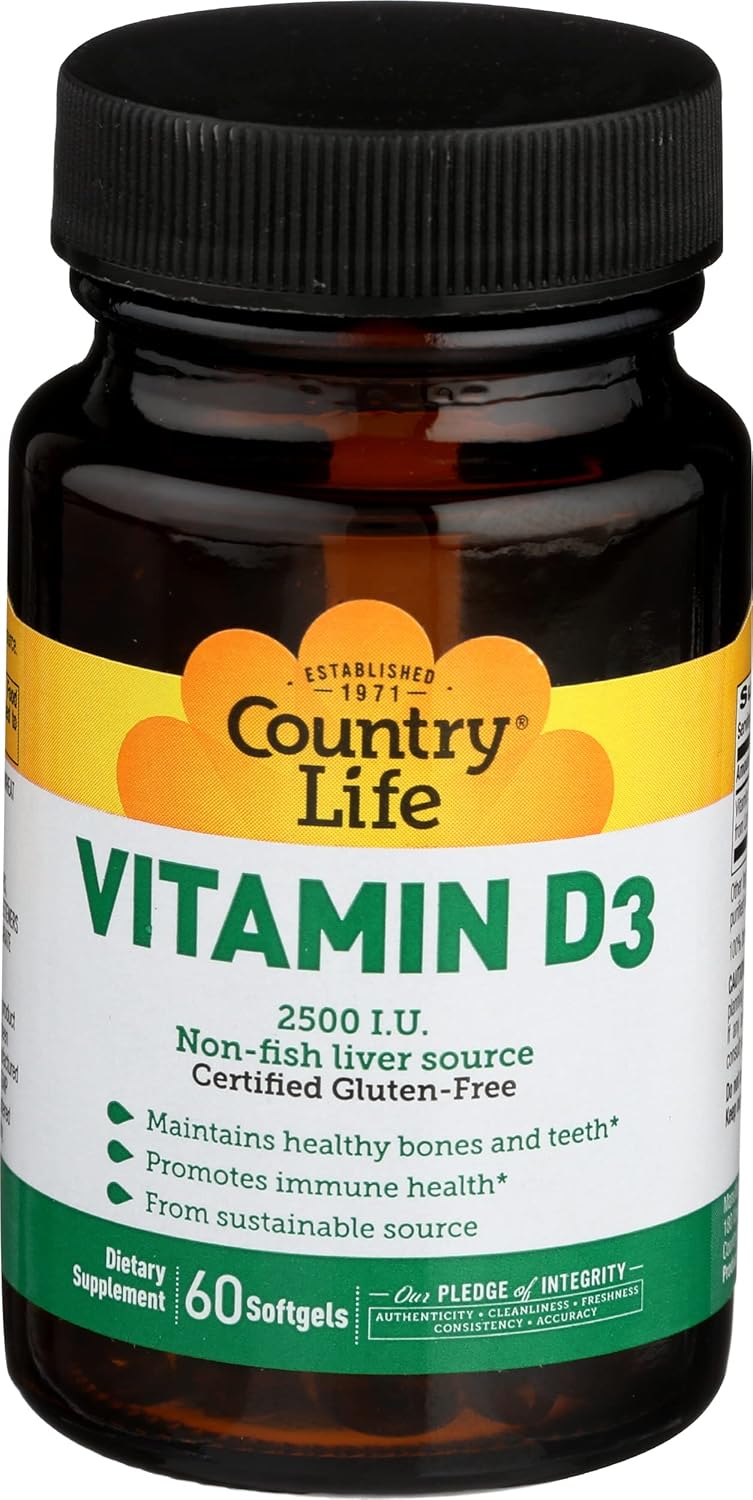
For maintaining your vitamin D levels, this provides 1,000 IU of **Vitamin D3** (cholecalciferol) — the more effective D3 form that raises blood levels better than D2. At 1,000 IU, you're at the bottom of the 1,000–5,000 IU clinical range, which is enough for general maintenance if your levels aren't severely low.
One capsule daily with a meal is all it takes, and the 60-capsule count gives you a full two-month supply. Vitamin D3 is fat-soluble, so taking it alongside food that contains some fat will help your body absorb it.
If you've been tested and found to be deficient, 1,000 IU may not be enough to correct your levels quickly — most practitioners recommend 2,000–5,000 IU for repletion. This dose is better suited for ongoing maintenance once your levels are already in a healthy range.
BioStacks
Other Ingredients (6)
Sodium MetabisulfitePreservative
Sulfite sensitivity affects ~1% of the general population and up to 5% of asthmatics. Can trigger bronchospasm, hives, and anaphylaxis in sensitive individuals. FDA requires labeling when sulfites exceed 10 ppm.
Soy LecithinEmulsifier
Widely used emulsifier derived from soybeans
GelatinCapsule
Protein derived from collagen, used in traditional capsule shells
GlycerinHumectant
Sweet-tasting liquid used in soft capsules and liquids
Purified WaterSolvent
Water meeting USP specifications used as solvent/vehicle in gummies and liquids
Vegetable OilCarrier
Edible oils used as carriers in softgels and as processing aids
How to Take It
Take it anytime
Fat-soluble — take with your largest fat-containing meal. Time of day doesn't matter.
With a meal containing fat
On the label
Adults: Take 1 capsule daily with a meal, or as directed by your healthcare professional.
General guidance based on the ingredients, not a substitute for the label or your doctor.
Price Check
$24.00
Pricier than 75% of 552 vitamin D supplements
Track this supplement in your stack
Get personalized insights, interactions, and coverage recommendations.
Get Started FreeSimilar Supplements
Sources & Scoring
Nutrient data (RDA, UL, and safety thresholds) sourced from the NIH Office of Dietary Supplements and the National Academies Dietary Reference Intakes (DRI).
This is not medical advice. Consult a healthcare provider before making changes to your supplement routine.
The score analyzes what's on the label: ingredient doses vs. studied ranges, chemical forms, evidence levels, and known interactions. It does not verify label accuracy or test for contaminants — for that, look for third-party certifications like USP or NSF.