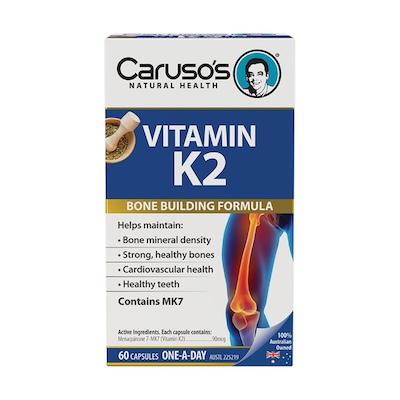
For directing calcium into your bones and away from your arteries, this delivers 100mcg of **Vitamin K2** in the MK-7 form — the version with a long half-life (~96 hours) that stays active in your body far longer than MK-4. At 100mcg, you're squarely within the 90–200mcg clinical range studied for bone and cardiovascular health.
The MK-7 is sourced from natto (fermented soybean), which is the most common and well-researched origin for this form. One capsule daily with a meal is all you need, and 120 capsules gives you a four-month supply — solid value for consistent use.
If you're taking blood thinners like warfarin, vitamin K2 directly affects clotting factors and you should consult your healthcare provider before using this product. For everyone else, this is a well-dosed, single-purpose K2 supplement that pairs naturally with vitamin D3.
BioStacks
Best for
Ingredients (1)
Vitamin K2
100%Dose
100 mcg
Target
90–200 mcg
Form
Premium
Other Ingredients (2)
HypromelloseCapsule
Plant-derived capsule material from cellulose
Microcrystalline CelluloseBinder
Plant-derived cellulose used as a binder and filler in supplements
How to Take It
Take it anytime
Fat-soluble — take with a meal containing fat for better absorption. Time of day doesn't matter.
With a meal containing fat
On the label
Adults take 1 capsule daily with a meal or as directed by a healthcare professional.
General guidance based on the ingredients, not a substitute for the label or your doctor.
Price Check
No price yet
What 144 vitamin K supplements cost
Track this supplement in your stack
Get personalized insights, interactions, and coverage recommendations.
Get Started FreeSimilar Supplements
Sources & Scoring
Nutrient data (RDA, UL, and safety thresholds) sourced from the NIH Office of Dietary Supplements and the National Academies Dietary Reference Intakes (DRI).
This is not medical advice. Consult a healthcare provider before making changes to your supplement routine.
The score analyzes what's on the label: ingredient doses vs. studied ranges, chemical forms, evidence levels, and known interactions. It does not verify label accuracy or test for contaminants — for that, look for third-party certifications like USP or NSF.