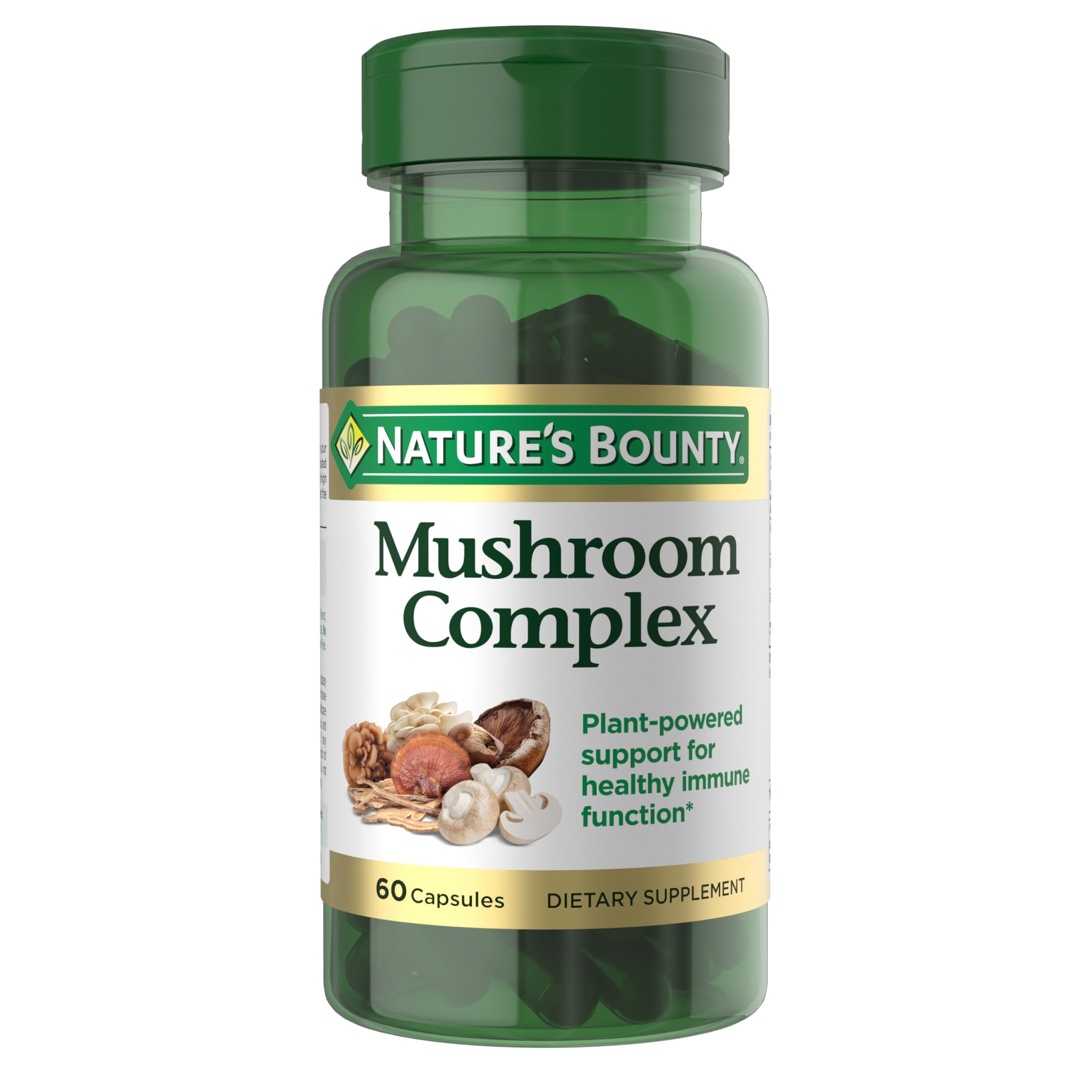
This triple-mushroom blend combines **Reishi**, **Shiitake**, and **Maitake** for immune support, but two of the three are well below clinical doses. Reishi totals about 130mg per capsule (including a standardized extract with 4% triterpenoids and 7% beta-glucans), while research typically uses 1,000–3,000mg daily. Even at two capsules, you're getting only about 26% of the minimum studied Reishi dose.
**Maitake** is the best-dosed of the three — it comes as a 4:1 extract, bringing its equivalent to about 400mg per capsule. At two capsules daily, you'd reach roughly 800mg equivalent, within the 500–2,500mg clinical range. The standardized Reishi extract with defined triterpenoid and beta-glucan levels is a plus for quality.
The core tradeoff is that splitting capsule space three ways leaves Reishi and Shiitake underdosed. If immune support is your primary goal, you'd benefit from a higher daily capsule count or a formula focused on fewer mushrooms at full clinical doses.
BioStacks
Every active here is dosed below the amount studied to work. See how each one compares in the breakdown below.
Ingredients (5)
organic Maitake Mushroom extract
20%Dose
100 mg
Target
500–2500 mg
Form
Standard
organic Shiitake Mushroom extract
10%Dose
100 mg
Target
1000–3000 mg
Form
—
organic Red Reishi Mushroom extract
10%Dose
100 mg
Target
1000–3000 mg
Form
—
organic Red Reishi Mushroom extract
3%Dose
30 mg
Target
1000–3000 mg
Form
Standard
Shiitake Mushroom extract
0%Dose
1.5 mg
Target
1000–3000 mg
Form
Standard
Other Ingredients (3)
Magnesium StearateLubricant
A salt of stearic acid used as a lubricant in tablet and capsule production
Microcrystalline CelluloseBinder
Plant-derived cellulose used as a binder and filler in supplements
Microcrystalline CelluloseBinder
Plant-derived cellulose used as a binder and filler in supplements
How to Take It
Take it anytime
Timing doesn't matter for this one — taking it consistently does.
With or without food
On the label
Suggested Use: As a dietary supplement for adults, take one (1) vegetable capsule up to two times daily, preferably with meals or as directed by a healthcare practitioner.
General guidance based on the ingredients, not a substitute for the label or your doctor.
Track this supplement in your stack
Get personalized insights, interactions, and coverage recommendations.
Get Started FreeSimilar Supplements
Sources & Scoring
Nutrient data (RDA, UL, and safety thresholds) sourced from the NIH Office of Dietary Supplements and the National Academies Dietary Reference Intakes (DRI).
This is not medical advice. Consult a healthcare provider before making changes to your supplement routine.
The score analyzes what's on the label: ingredient doses vs. studied ranges, chemical forms, evidence levels, and known interactions. It does not verify label accuracy or test for contaminants — for that, look for third-party certifications like USP or NSF.