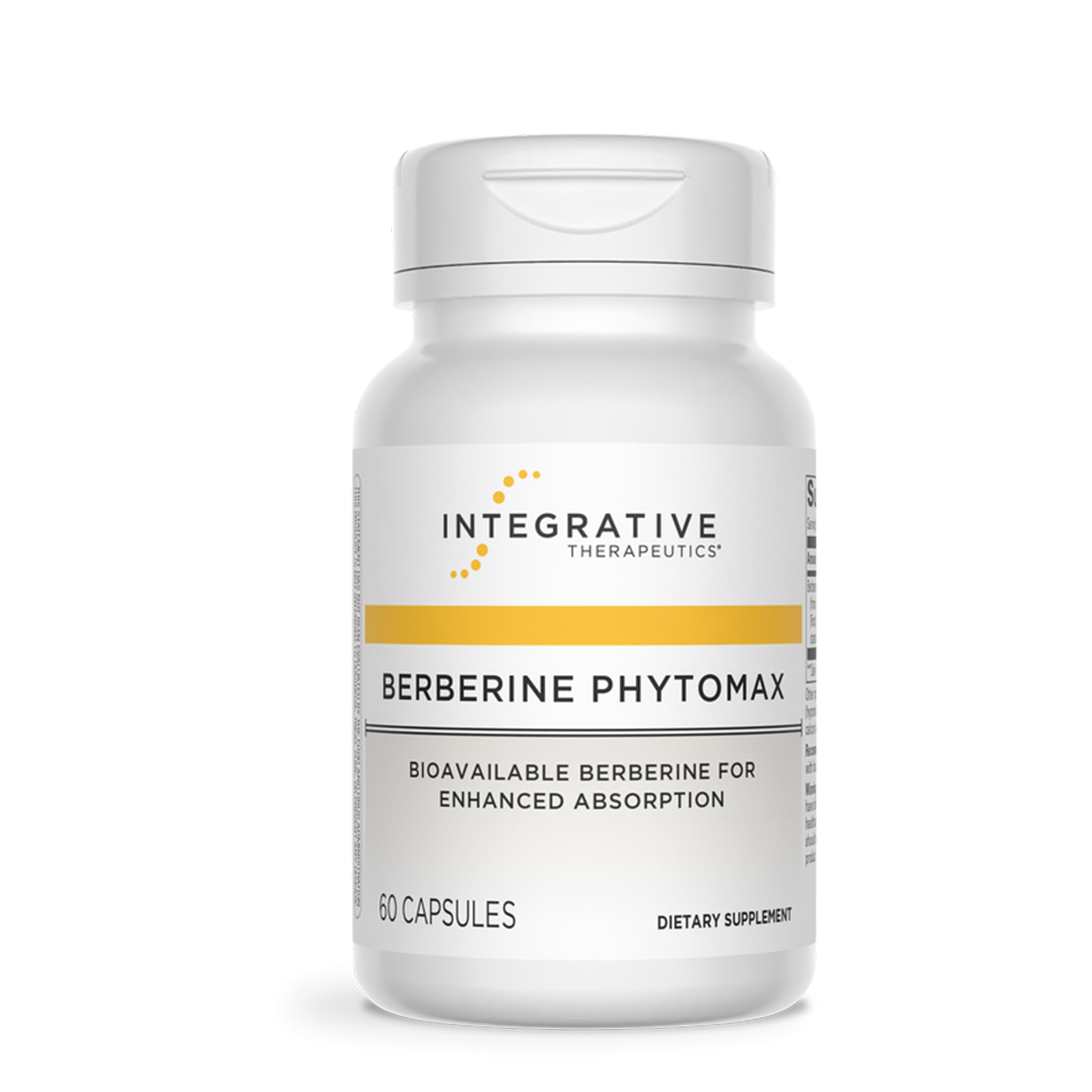
Each capsule combines 450mg of **Berberine HCl** with 550mg of **Berbevis** — a phytosome form that absorbs significantly better than standard berberine due to its phospholipid binding. At just one capsule you're already near the 500mg clinical floor for supporting healthy blood sugar and insulin sensitivity, and the enhanced absorption from the phytosome portion means your effective dose is higher than the label milligrams suggest.
The suggested two capsules twice daily puts you well above the studied range, which may not be necessary. If your goal is metabolic support, starting with one capsule twice daily with meals gives you solid coverage while keeping GI comfort in check — berberine can cause digestive discomfort at higher doses.
The main thing to watch: berberine interacts with several medications, particularly those processed through the CYP3A4 enzyme pathway. If you're on any prescriptions, check with your doctor before adding this one.
BioStacks
Best for
Ingredients (2)
Berbevis
100%Dose/day
1100 mg
Target
500–1500 mg
Form
Premium
Berberine Hydrochloride
100%Dose/day
900 mg
Target
500–1500 mg
Form
Premium
Other Ingredients (2)
Calcium LaurateEmulsifier
Calcium salt of lauric acid used as a lubricant
HypromelloseCapsule
Plant-derived capsule material from cellulose
How to Take It
Take it anytime
Take with meals — its glucose effects act on the food you're eating. Usually split 2–3 times daily.
With food
Split into 2 doses across the day
On the label
Suggested use: Take 1-2 capsules two times daily with food or as recommended by your health-care practitioner.
General guidance based on the ingredients, not a substitute for the label or your doctor.
Price Check
$44.00
Pricier than 80% of 81 berberine HCl supplements
Track this supplement in your stack
Get personalized insights, interactions, and coverage recommendations.
Get Started FreeSimilar Supplements
Sources & Scoring
Nutrient data (RDA, UL, and safety thresholds) sourced from the NIH Office of Dietary Supplements and the National Academies Dietary Reference Intakes (DRI).
This is not medical advice. Consult a healthcare provider before making changes to your supplement routine.
The score analyzes what's on the label: ingredient doses vs. studied ranges, chemical forms, evidence levels, and known interactions. It does not verify label accuracy or test for contaminants — for that, look for third-party certifications like USP or NSF.