BioStacks
Best for
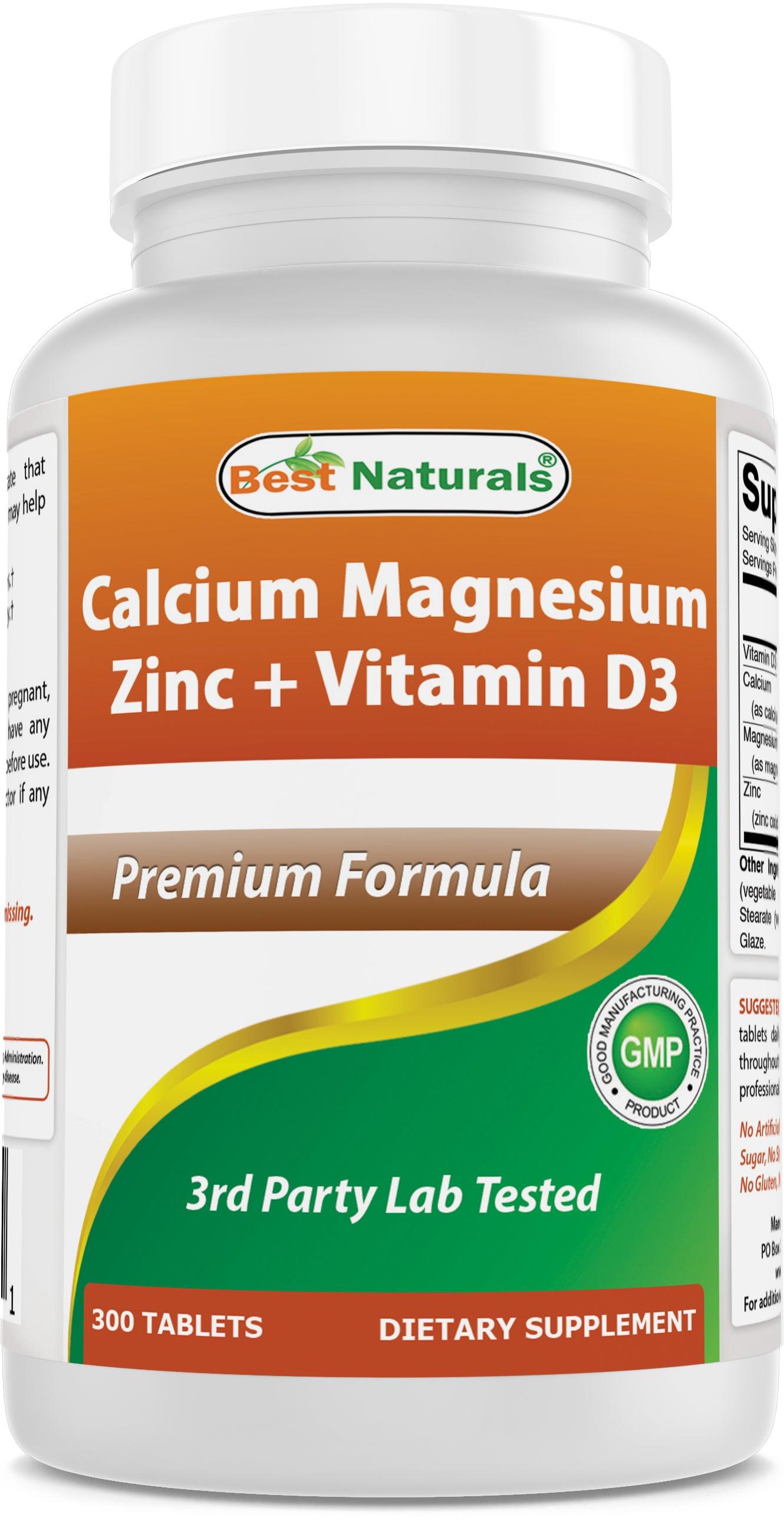
Ingredients (5)
Calcium
100%Dose
300 mg
Target
200–600 mg
Form
Not listed
Magnesium
100%Dose
150 mg
Target
100–400 mg
Form
Not listed
Vitamin D
28%Dose
280 IU
Target
1000–5000 IU
Form
Premium
Copper
25%Dose
250 mcg
Target
1000–2000 mcg
Form
Not listed
Zinc
20%Dose
3 mg
Target
15–30 mg
Form
Not listed
Other Ingredients (9)
Polysorbate 80Emulsifier
Chassaing et al. 2015 (Nature, PMID 25731162) tested polysorbate 80 directly and showed it thinned the gut mucus barrier, altered microbiota composition, and induced low-grade inflammation and metabolic syndrome in mice. The strongest human evidence is for a related emulsifier rather than polysorbate 80 itself: Chassaing 2022 (Gastroenterology, PMID 34774538) was a controlled human feeding RCT of carboxymethylcellulose (CMC) that found microbial encroachment into the mucus layer — polysorbate 80 has not been tested in an equivalent human trial. In vitro work (e.g. Roberts 2010) shows polysorbate 80 enhances bacterial translocation across intestinal epithelium, and observational data link overall dietary-emulsifier exposure to IBD risk. EFSA is mid re-evaluation of polysorbates (E432–E436). For a supplement excipient with purely cosmetic function (improving the look/texture of soft gels and liquids), the gut-barrier risk profile is unfavorable when safer alternatives (sunflower lecithin, MCT carriers, gum acacia) are widely available.
SorbitolSweetener
A FODMAP sugar alcohol that may trigger GI discomfort (bloating, gas) in individuals with IBS or sorbitol malabsorption, even at small amounts found in supplements. Avoided in low-FODMAP diets.
SucroseSweetener
Added sugars and high glycemic load; dental caries risk
Mint and Mandarin FlavorFlavor
A combined mint and mandarin flavoring blend
Potassium SorbatePreservative
Natural preservative derived from sorbic acid
Natural Orange FlavorFlavor
A natural flavoring derived from orange to mask supplement taste
Purified WaterSolvent
Water meeting USP specifications used as solvent/vehicle in gummies and liquids
Microcrystalline CelluloseBinder
Plant-derived cellulose used as a binder and filler in supplements
How to Take It
Best taken in the evening
The Magnesium in it is what pulls this toward the evening. Take it with a meal containing fat — the vitamin D in it absorbs poorly without one.
With a meal containing fat
Keep it away from high-oxalate foods like spinach
Space it a couple of hours from Iron
On the label
Give to your child orally, as below. Children 4-6 years: 2 teaspoons (10ml) daily. Children 7-12 years: 3 teaspoons (15ml) daily. 1 teaspoon = approx. 5ml. Recommended with or following a meal. Not to be taken on an empty stomach. Do not exceed the recommended intake.A measuring spoon is included. To open bottle, press and turn childproof cap.Wash and dry the spoon thoroughly after use (not in a steam steriliser).Do not use if the bottle seal is broken on purchase.Store in fridge after opening and use within 6 weeks.Shake well before use. Suitable for vegetarians Gluten free No dairy or lactose No alcohol preservative No artificial sweeteners, colours or flavours No fat or yeast Wellkid Calcium Liquid is not tested on animals
General guidance based on the ingredients, not a substitute for the label or your doctor.
Price Check
£5.45≈ $6.92
Cheaper than 94% of 294 calcium supplements
Track this supplement in your stack
Get personalized insights, interactions, and coverage recommendations.
Get Started FreeSimilar Supplements
Sources & Scoring
Nutrient data (RDA, UL, and safety thresholds) sourced from the NIH Office of Dietary Supplements and the National Academies Dietary Reference Intakes (DRI).
This is not medical advice. Consult a healthcare provider before making changes to your supplement routine.
The score analyzes what's on the label: ingredient doses vs. studied ranges, chemical forms, evidence levels, and known interactions. It does not verify label accuracy or test for contaminants — for that, look for third-party certifications like USP or NSF.