BioStacksAsk AI about this product 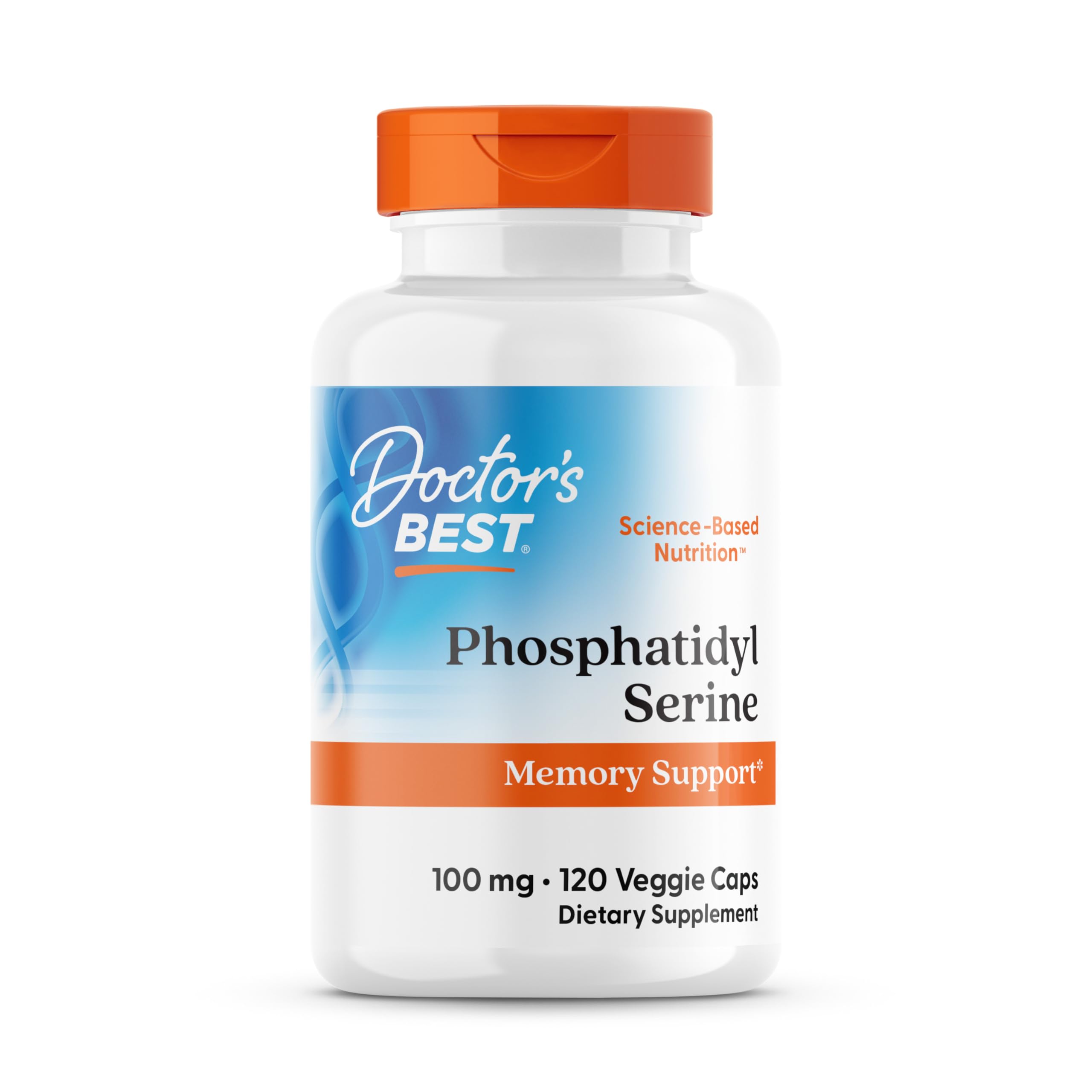
What it does
The product name and ingredient list do not agree; purpose cannot be confirmed.
Whole coffee fruit (NeuroFactor)
Form not confirmedGrade —
Label lists Coffee Fruit Extract (100 mg). Benefit information is limited.
PS
Form not confirmedGrade —
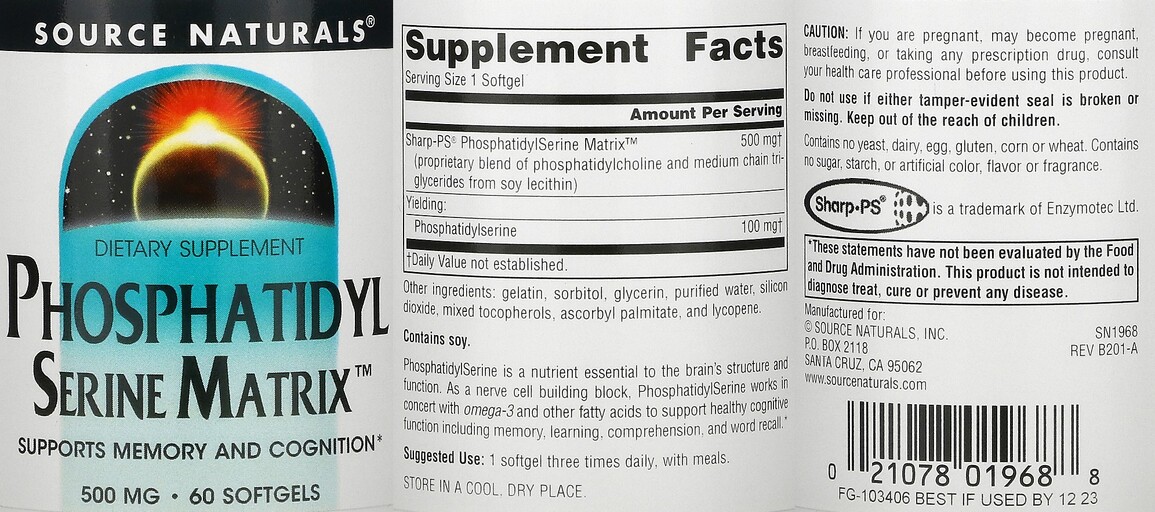
Label lists Phosphatidylserine (100 mg). Benefit information is limited.
Ingredients (2)
Other ingredients
TalcAnti-caking
IARC classifies cosmetic-grade talc not containing asbestos as Group 2B (possibly carcinogenic to humans); perineal talc use as Group 2A (probably carcinogenic). Johnson & Johnson voluntarily withdrew talc-based baby powder from US/Canada in 2020 and globally in 2022 after extensive litigation tied to ovarian-cancer and mesothelioma cases. The 2018 FDA contamination survey found asbestos in 9 of 52 cosmetic talc products tested. As a supplement excipient talc is a pure manufacturing convenience — no nutritional or functional benefit to the user — so the asbestos-exposure risk has no offsetting upside. Safer alternatives (silicon dioxide, microcrystalline cellulose, rice hulls) are widely available.
Rice FlourFiller
Rice-based ingredients carry risk of inorganic arsenic contamination (FDA and Consumer Reports). Rice accumulates arsenic from soil at higher rates than other grains. Used as a cheap filler — adds nothing beneficial.
Magnesium StearateLubricant
A salt of stearic acid used as a lubricant in tablet and capsule production
Silicon DioxideAnti-caking
Fine silica powder used to prevent clumping
Microcrystalline CelluloseBinder
Plant-derived cellulose used as a binder and filler in supplements
HypromelloseCapsule
Plant-derived capsule material from cellulose
Lab testing
How to take it
With food
On the label
Adults take 1 capsule daily.
Similar products
Doctor's Best
PhosphatidylSerine with SerinAid 100 mg
🧘 for Stress & Mood
77
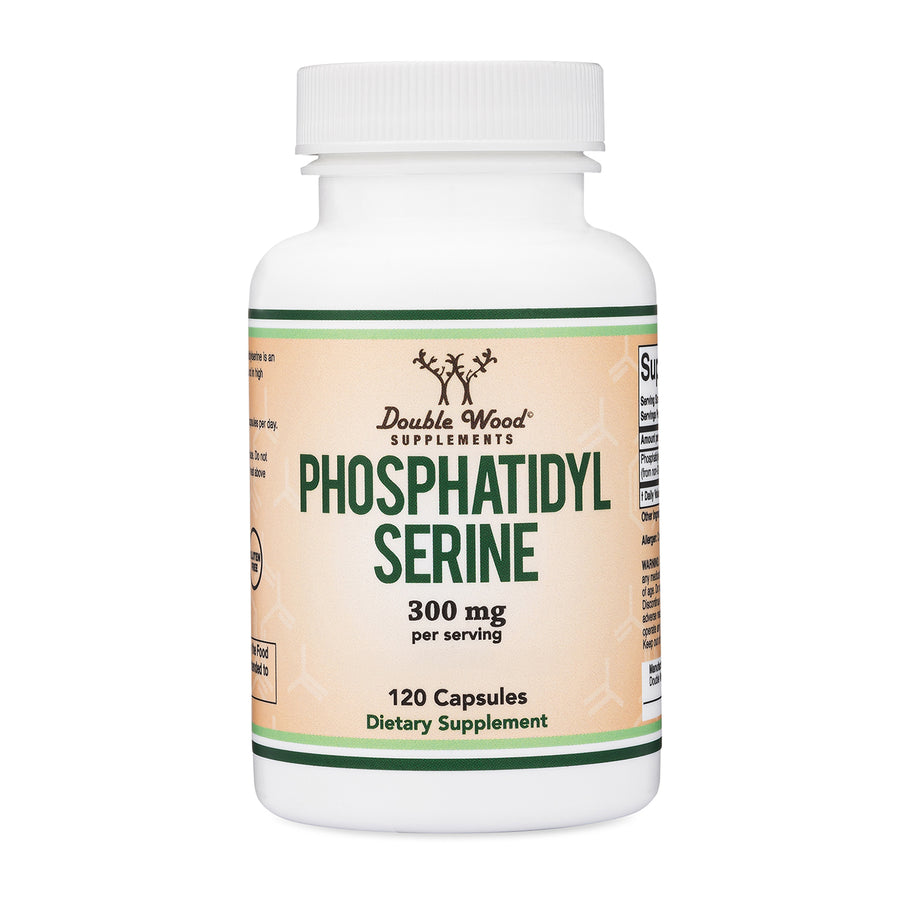
Double Wood Supplements
Phosphatidylserine 300 mg
🧘 for Stress & Mood
77
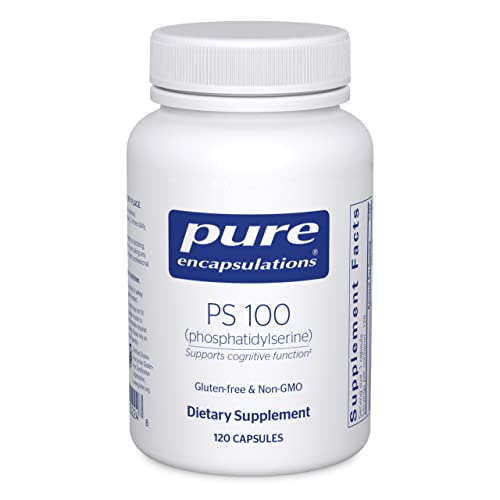
Pure Encapsulations
PS 100 (Phosphatidylserine)
🧘 for Stress & Mood
77
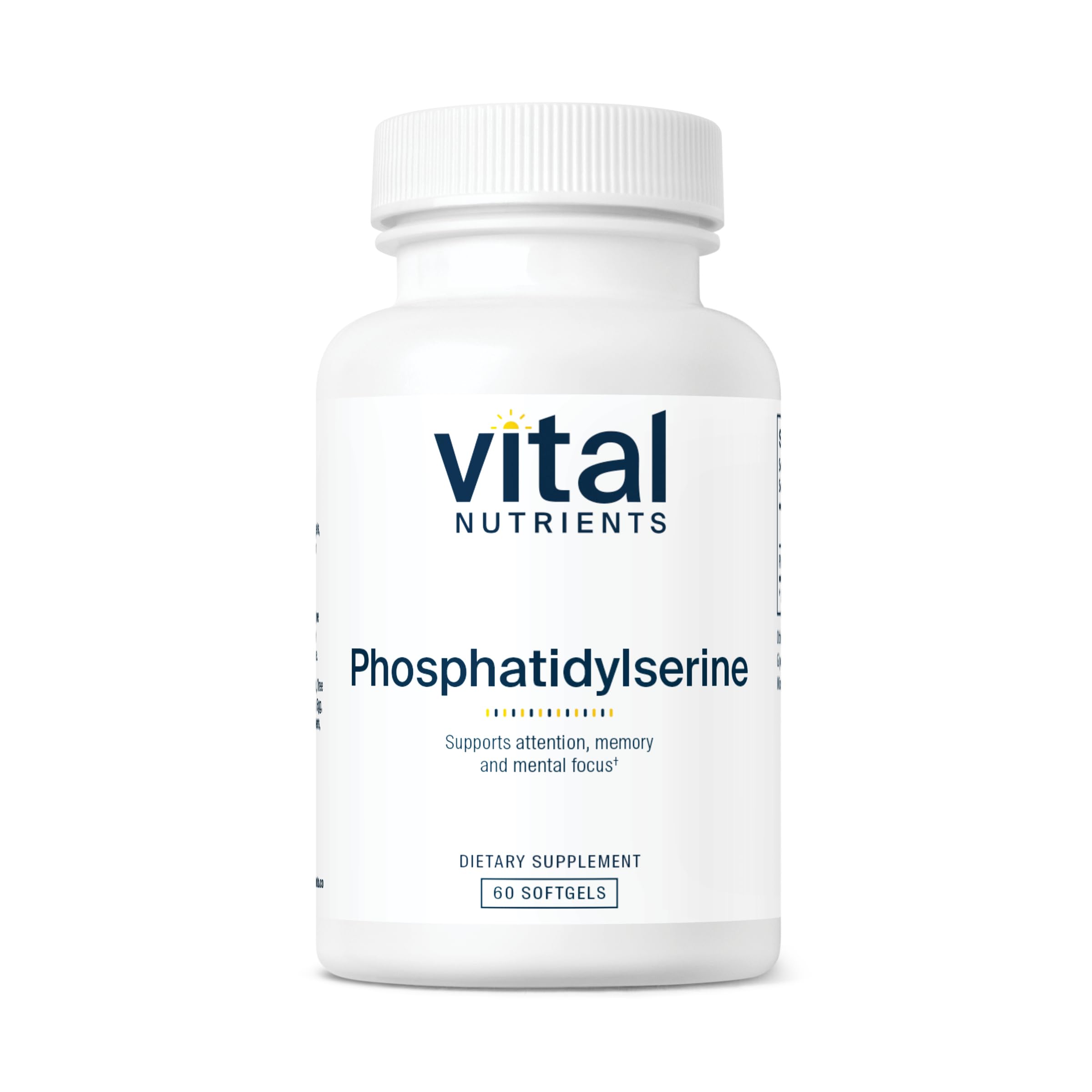
Vital Nutrients
Phosphatidylserine
🧘 for Stress & Mood
77
Source Naturals
Phosphatidyl Serine Matrix 500 mg
🧘 for Stress & Mood
74
Sources & Scoring
Nutrient data (RDA, UL, and safety thresholds) sourced from the NIH Office of Dietary Supplements and the National Academies Dietary Reference Intakes (DRI).
This is not medical advice. Consult a healthcare provider before making changes to your supplement routine.
The score analyzes what's on the label: ingredient doses vs. studied ranges, chemical forms, evidence levels, and known interactions. It does not verify label accuracy or test for contaminants — for that, look for third-party certifications like USP or NSF.
Not medical advice. Consult your healthcare professional.