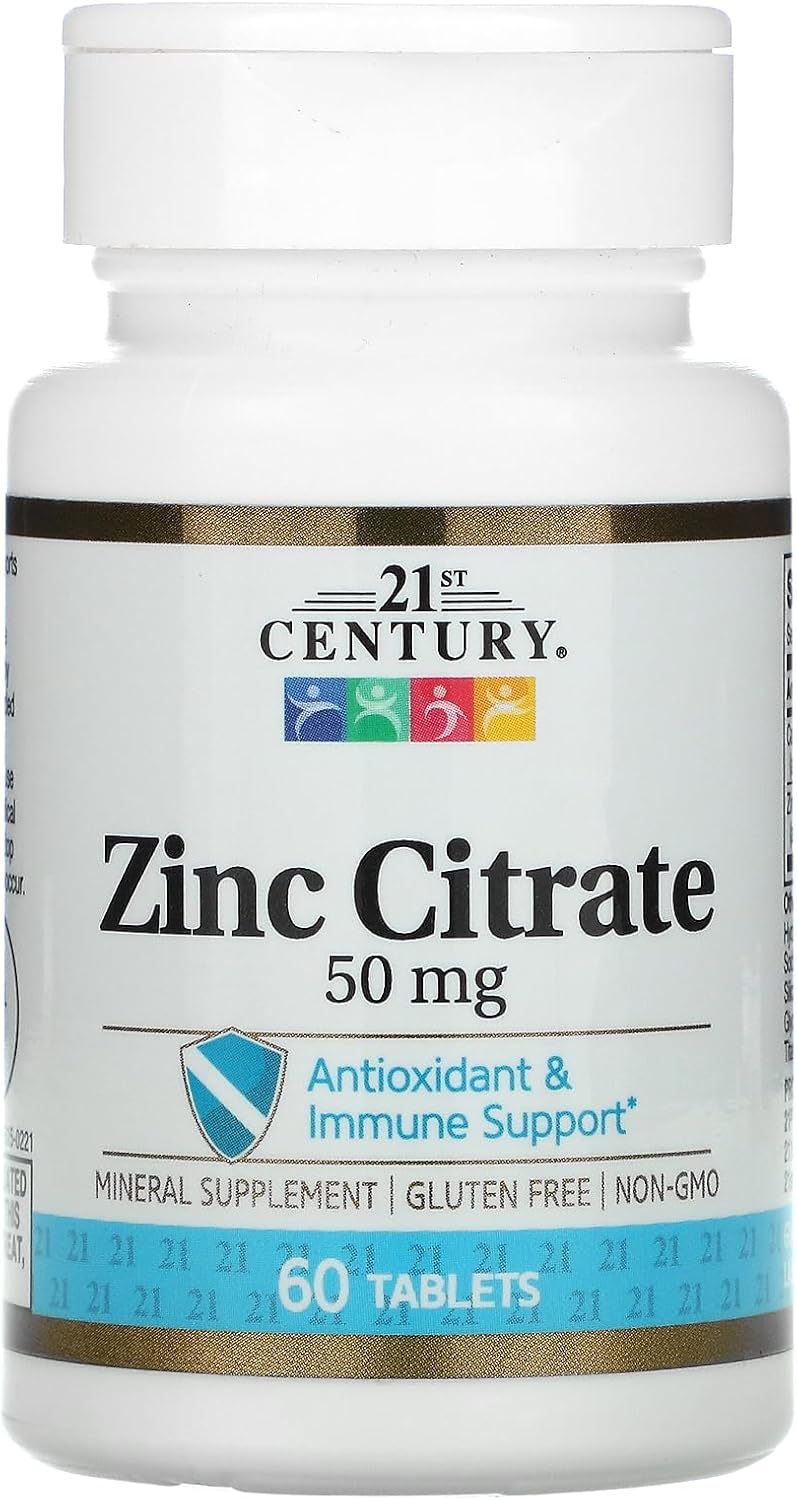
If you're reaching for this to support your immune system, you're well past the effective dose. **Zinc** comes in at 50mg per tablet, while the clinical research for immune function typically uses 15–30mg daily. The amino acid chelate form absorbs reasonably well, so a single tablet gives you a fully usable dose with room to spare.
There's also 125mg of calcium in each tablet, but that falls below the 200mg point where a supplemental dose starts to matter, and it won't meaningfully add to your daily calcium intake. Treat this as a zinc product, not a two-mineral one.
The bigger thing to know: 50mg sits above the 40mg daily upper limit for zinc. That's manageable for short stretches, like fighting off a cold, but taking it every day long-term can deplete your copper and tip the zinc-to-copper balance your body relies on. If you plan to use it beyond a few weeks, consider a lower daily dose or pairing it with a small amount of copper.
BioStacks
Best for
Ingredients (2)
Zinc
100%Dose
50 mg
Target
15–30 mg
Form
Standard
Calcium
125 mgTrace amount — not scored
Other Ingredients (2)
Microcrystalline CelluloseBinder
Plant-derived cellulose used as a binder and filler in supplements
Stearic AcidLubricant
Saturated fatty acid used as tablet lubricant
How to Take It
Take it anytime
Take with food — on an empty stomach it commonly causes nausea.
With food
Space it a couple of hours from Iron and Calcium
On the label
Directions: As a mineral supplement, adults take one (1) tablet daily with any meal or as directed by a healthcare provider. Do not exceed recommended dosage.
General guidance based on the ingredients, not a substitute for the label or your doctor.
Price Check
$3.00
Cheaper than 99% of 219 zinc supplements
Track this supplement in your stack
Get personalized insights, interactions, and coverage recommendations.
Get Started FreeSimilar Supplements
Sources & Scoring
Nutrient data (RDA, UL, and safety thresholds) sourced from the NIH Office of Dietary Supplements and the National Academies Dietary Reference Intakes (DRI).
This is not medical advice. Consult a healthcare provider before making changes to your supplement routine.
The score analyzes what's on the label: ingredient doses vs. studied ranges, chemical forms, evidence levels, and known interactions. It does not verify label accuracy or test for contaminants — for that, look for third-party certifications like USP or NSF.