BioStacks
Every active here is dosed below the amount studied to work. See how each one compares in the breakdown below.
Ingredients (6)
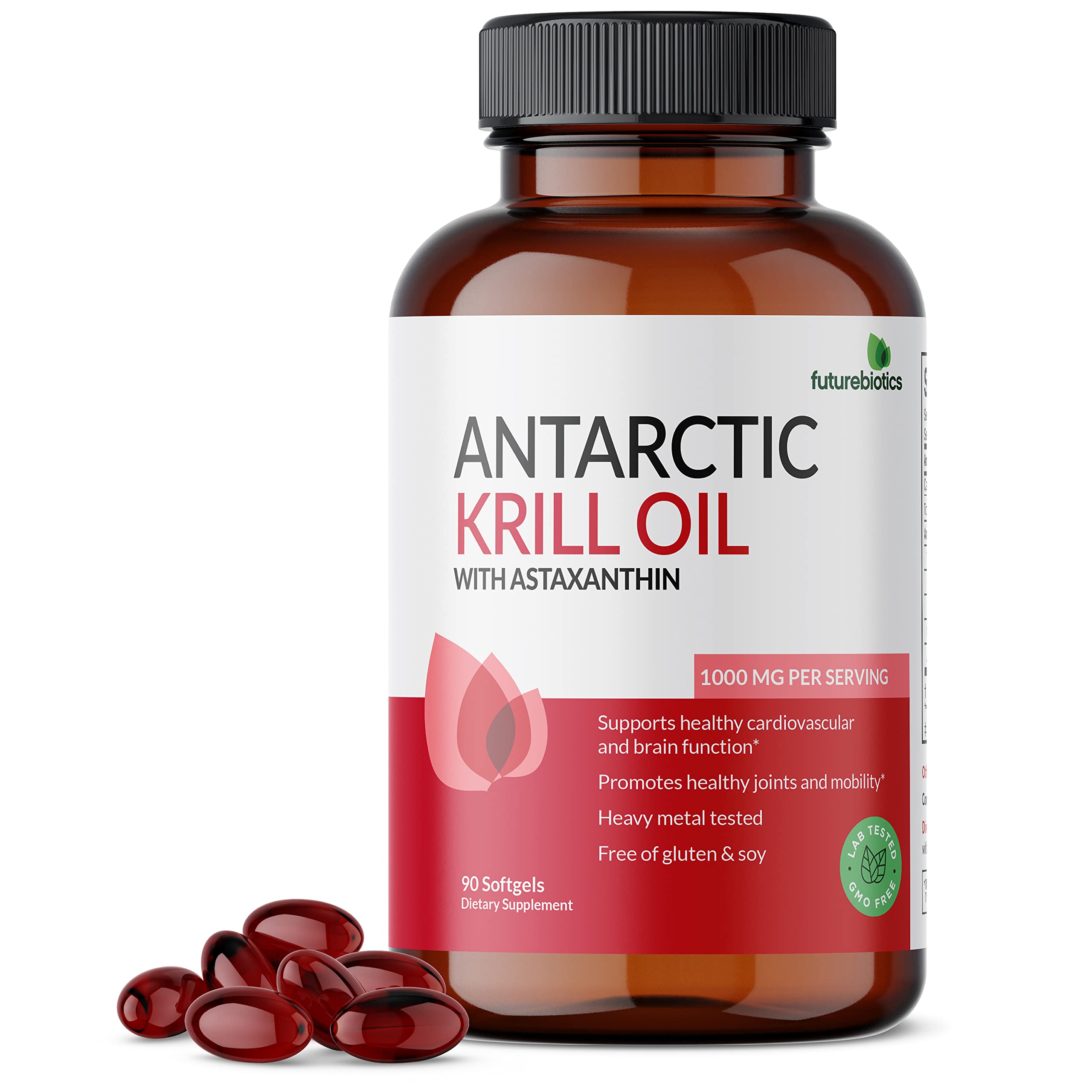
Krill Oil
35%Dose
350 mg
Target
1000–3000 mg
Form
—
Eicosapentaenoic Acid
10%Dose
50 mg
Target
500–2000 mg
Form
—
Phospholipids
11%Dose
130 mg
Target
1200–2400 mg
Form
—
Docosahexaenoic Acid
10%Dose
24 mg
Target
250–1000 mg
Form
—
Omega-3 Fatty Acids
9%Dose
90 mg
Target
1000–3000 mg
Form
Not listed
Other Ingredients (5)
SorbitolSweetener
A FODMAP sugar alcohol that may trigger GI discomfort (bloating, gas) in individuals with IBS or sorbitol malabsorption, even at small amounts found in supplements. Avoided in low-FODMAP diets.
GelatinCapsule
Protein derived from collagen, used in traditional capsule shells
GlycerinHumectant
Sweet-tasting liquid used in soft capsules and liquids
VanillinFlavor
The primary flavor compound of vanilla, used as a flavoring agent
Purified WaterSolvent
Water meeting USP specifications used as solvent/vehicle in gummies and liquids
How to Take It
Take it anytime
What's in this absorbs poorly without a fat-containing meal — take it with one.
With a meal containing fat
On the label
As a dietary supplement, adults take one (1) softgel daily with any meal or as directed by a healthcare provider. Do not exceed recommended dosage.
General guidance based on the ingredients, not a substitute for the label or your doctor.
Price Check
$19.99
Cheaper than 80% of 35 krill oil (Phospholipid omega-3) supplements
Track this supplement in your stack
Get personalized insights, interactions, and coverage recommendations.
Get Started FreeSimilar Supplements
Sources & Scoring
Nutrient data (RDA, UL, and safety thresholds) sourced from the NIH Office of Dietary Supplements and the National Academies Dietary Reference Intakes (DRI).
This is not medical advice. Consult a healthcare provider before making changes to your supplement routine.
The score analyzes what's on the label: ingredient doses vs. studied ranges, chemical forms, evidence levels, and known interactions. It does not verify label accuracy or test for contaminants — for that, look for third-party certifications like USP or NSF.