What it does
Zinc
zinc orotateBudget
Supports normal immune function, wound healing, and protein and DNA production.
Ingredients (1)
Other ingredients
CarboxymethylcelluloseThickener
Carboxymethylcellulose was the second emulsifier (with polysorbate 80) in Chassaing et al. 2015 (Nature, PMID 25731162), which showed mucus-barrier thinning, a microbiota shift toward pro-inflammatory species, low-grade inflammation, and metabolic syndrome in mice. Chassaing 2022 (Gastroenterology, PMID 34774538) tested CMC directly in a randomized controlled human feeding trial and found reduced microbial diversity and bacterial encroachment into the normally sterile mucus layer in a susceptible subset of participants. EFSA's 2018 re-evaluation could not establish a safe level due to data gaps. For a purely textural excipient, the gut-barrier risk profile is unfavorable when safer thickeners are widely available.
Magnesium Carbonate (excipient)Anticaking Agent
Magnesium carbonate used as an anti-caking, flow, and drying agent.
Glyceryl BehenateLubricant
Glyceryl ester of behenic acid used as a tablet lubricant and controlled-release matrix agent
Microcrystalline CelluloseBinder
Plant-derived cellulose used as a binder and filler in supplements
Natural Palm Leaf GlazeCoating
A plant wax from the carnauba palm leaf used as a tablet glaze and polish
PolyvinylpyrrolidoneBinder
A synthetic polymer used as a tablet binder and film former
Microcrystalline CelluloseBinder
Plant-derived cellulose used as a binder and filler in supplements
Lab testing
How to take it
With food
Space it a couple of hours from Iron and Calcium
Split into 2 doses across the day
On the label
As an addition to the daily diet, take one tablet twice a day with meals or as directed by your health care professional.
Price check
$15.88
$0.08 / serving
Near the median of 219 zinc supplements
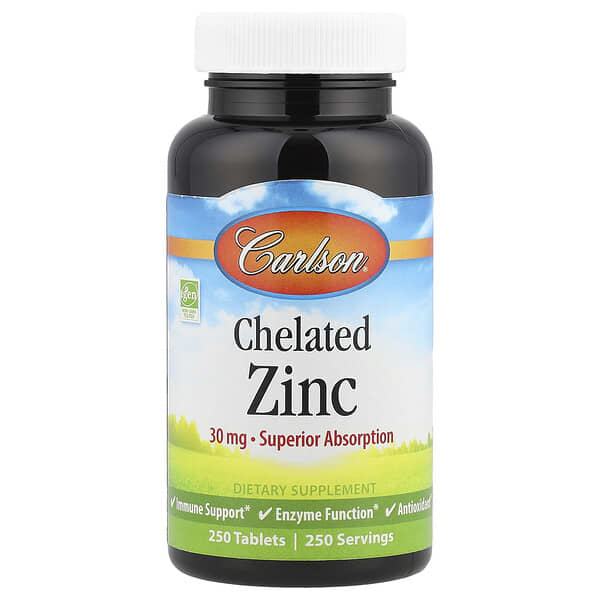
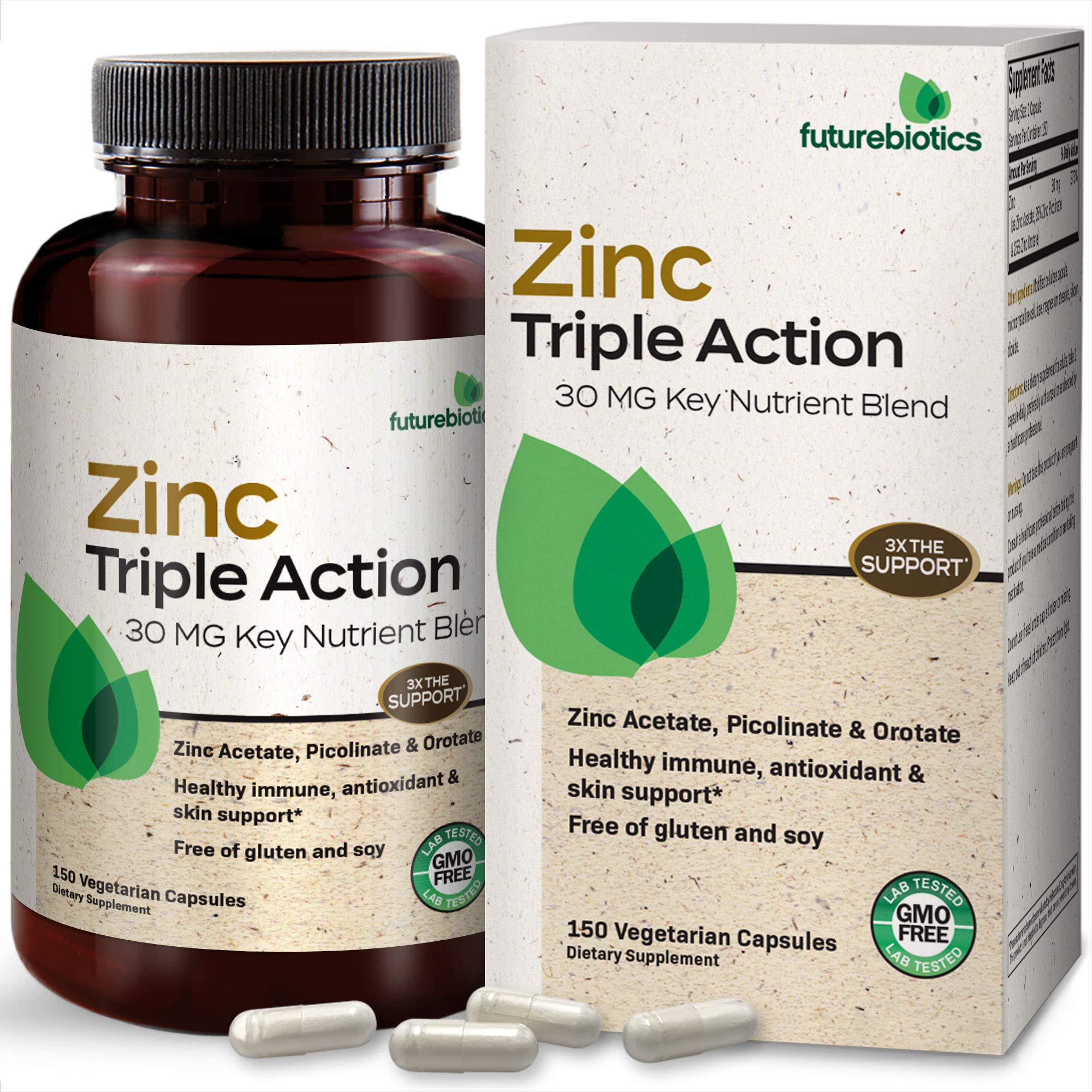
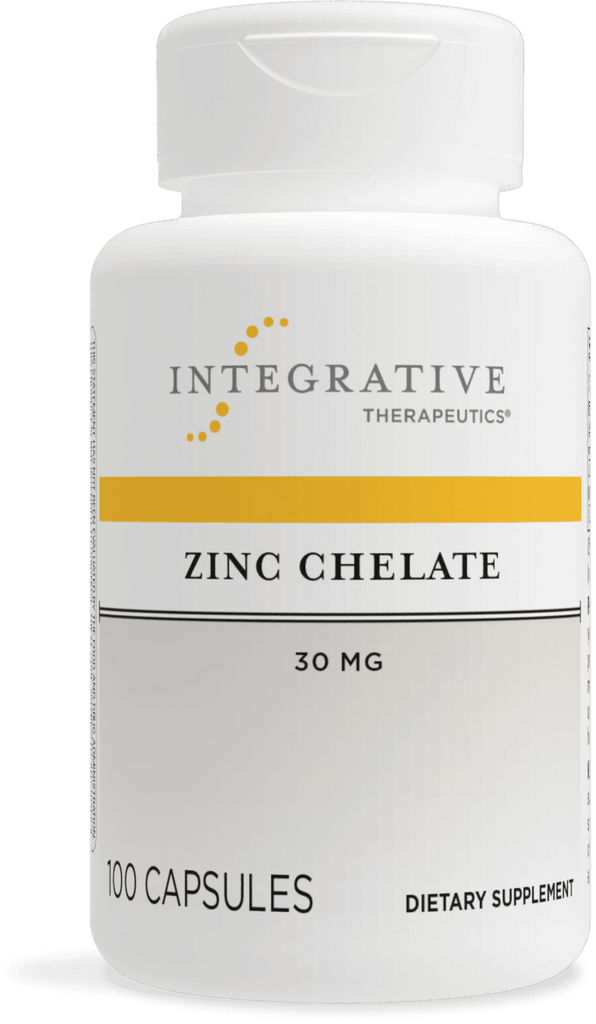
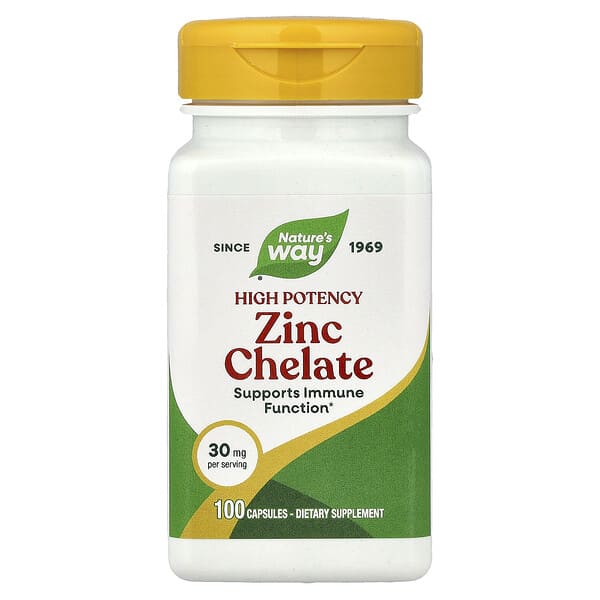
Similar products
Sources & Scoring
Nutrient data (RDA, UL, and safety thresholds) sourced from the NIH Office of Dietary Supplements and the National Academies Dietary Reference Intakes (DRI).
This is not medical advice. Consult a healthcare provider before making changes to your supplement routine.
The score analyzes what's on the label: ingredient doses vs. studied ranges, chemical forms, evidence levels, and known interactions. It does not verify label accuracy or test for contaminants — for that, look for third-party certifications like USP or NSF.
Not medical advice. Consult your healthcare professional.