What it does
A combination of 16 label ingredients.
Valine
Form not confirmedGrade —
An essential amino acid needed for normal protein synthesis; extra isolated supplements have unestablished exercise benefits.
Glutamine
Form not confirmedGrade —
Supports normal nitrogen metabolism; extra glutamine has not consistently improved exercise performance or muscle growth.
Ingredients (16)
Other ingredients
Caramel ColorColor
Class III and IV caramel colors contain 4-methylimidazole (4-MEI), classified by IARC as Group 2B (possibly carcinogenic to humans) in 2011 (Monograph Vol. 101). California Prop 65 lists 4-MEI as a known carcinogen; products delivering >29 mcg/day require a cancer warning label. NTP TR-535 (2007) found 4-MEI caused lung tumors in mice. Major cola brands (Coca-Cola, Pepsi) voluntarily reformulated 2012-2014 to reduce 4-MEI below California thresholds. Because labels never specify Class I (sugar + heat only, safer) vs Class III/IV (ammonia-process, contains 4-MEI), consumers cannot verify which they're consuming. Combined with the additive's purely cosmetic purpose, the risk:benefit ratio is unfavorable for any supplement.
SucraloseSweetener
Dose context matters. As a trace excipient in a tablet coating or capsule, the amount is minimal and not a meaningful concern. The evidence below applies to the gram-level intakes typical of sweetened protein powders, pre-workouts, and drink mixes: a 2022 human trial (Suez et al., Cell) showed sucralose disrupts gut bacteria and worsens blood sugar control in healthy adults, and a 2023 study (Schiffman et al.) found that sucralose-6-acetate — a compound formed when sucralose is digested — was genotoxic to human cells in vitro. It remains an artificial sweetener with no nutritional purpose.
Acesulfame PotassiumSweetener
Older NTP rodent studies (1980s, contested) reported lymphoma and leukemia at very high chronic doses; modern reviews (FDA 2003, EFSA 2000) concluded no cancer risk at human exposure levels but the issue is not fully resolved (Mishra 2020 review). Animal evidence suggests gut microbiome disruption (Bian 2017 — male mice on Ace-K showed altered microbiota and metabolic markers). Manufacturing uses methylene chloride, with potential residue concerns. Purely cosmetic additive — risk:benefit unfavorable for supplements.
Natural and Artificial FlavorsFlavor
The 'artificial' component means synthetic chemicals are used, but the exact compounds are proprietary and not disclosed on the label. If you have sensitivities or allergies, you cannot verify what's in it. Products using only natural flavors are more transparent.
Silicon DioxideAnti-caking
Fine silica powder used to prevent clumping
Citric AcidAcidulant
Natural acid derived from citrus fruits
Sunflower LecithinEmulsifier
Non-GMO, non-allergenic emulsifier derived from sunflower seeds
Lab testing
How to take it
With food
On the label
Take one scoop (7 g) with approximately 180 to 240 mL of water per serving before physical activity or anytime you need an amino boost.
Price check
$19.99
$0.67 / serving
Cheaper than 65% of 798 multivitamins
Similar products
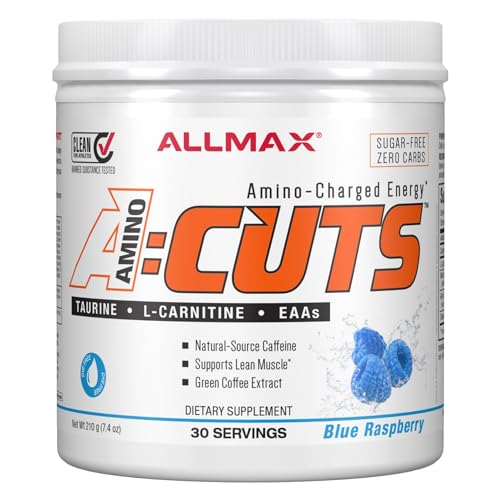
ALLMAX
Amino:Cuts Amino-Charged Energy Drink Blue Raspberry
⚡ for Energy
31
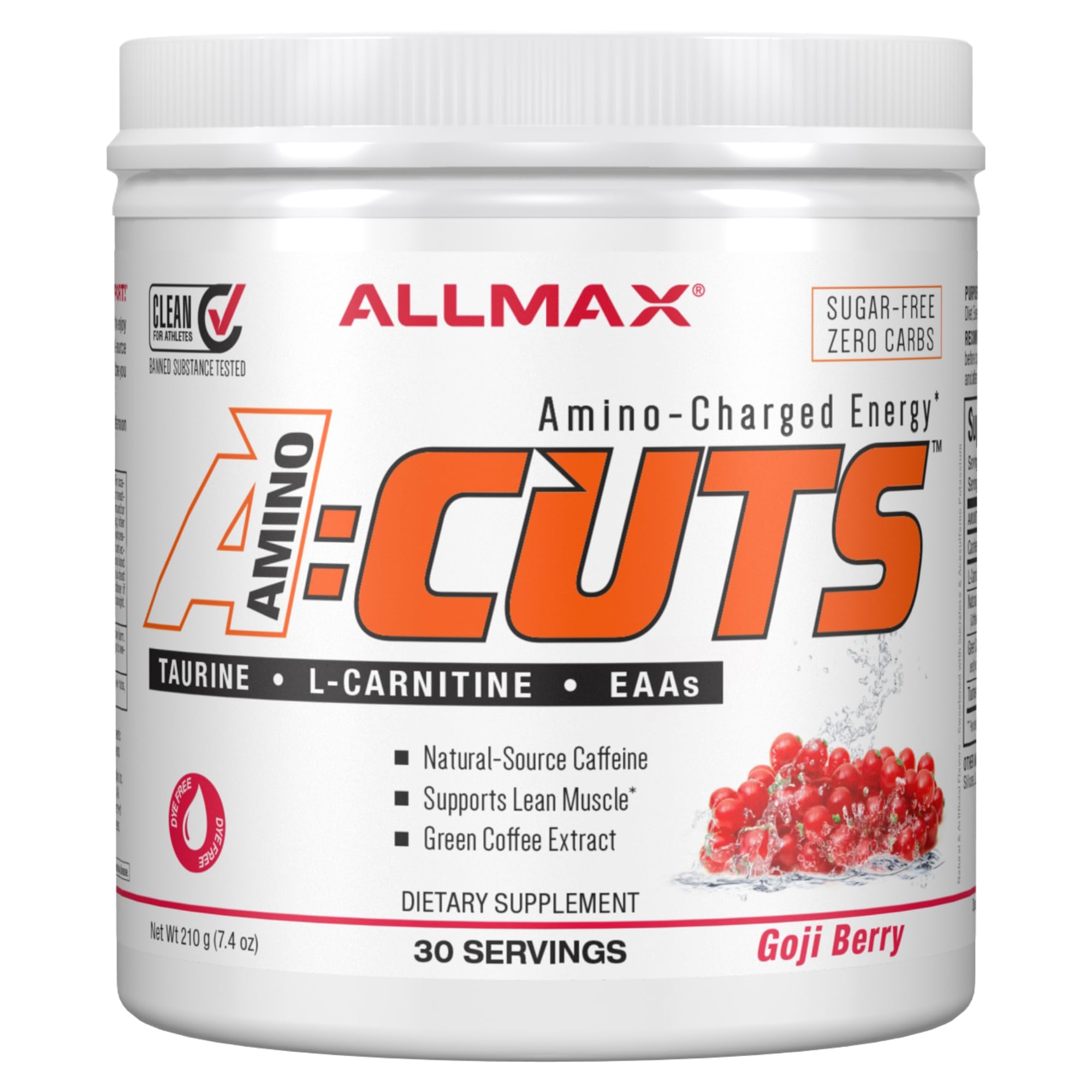
ALLMAX
Amino:Cuts Amino-Charged Energy Drink Goji Berry
⚡ for Energy
30
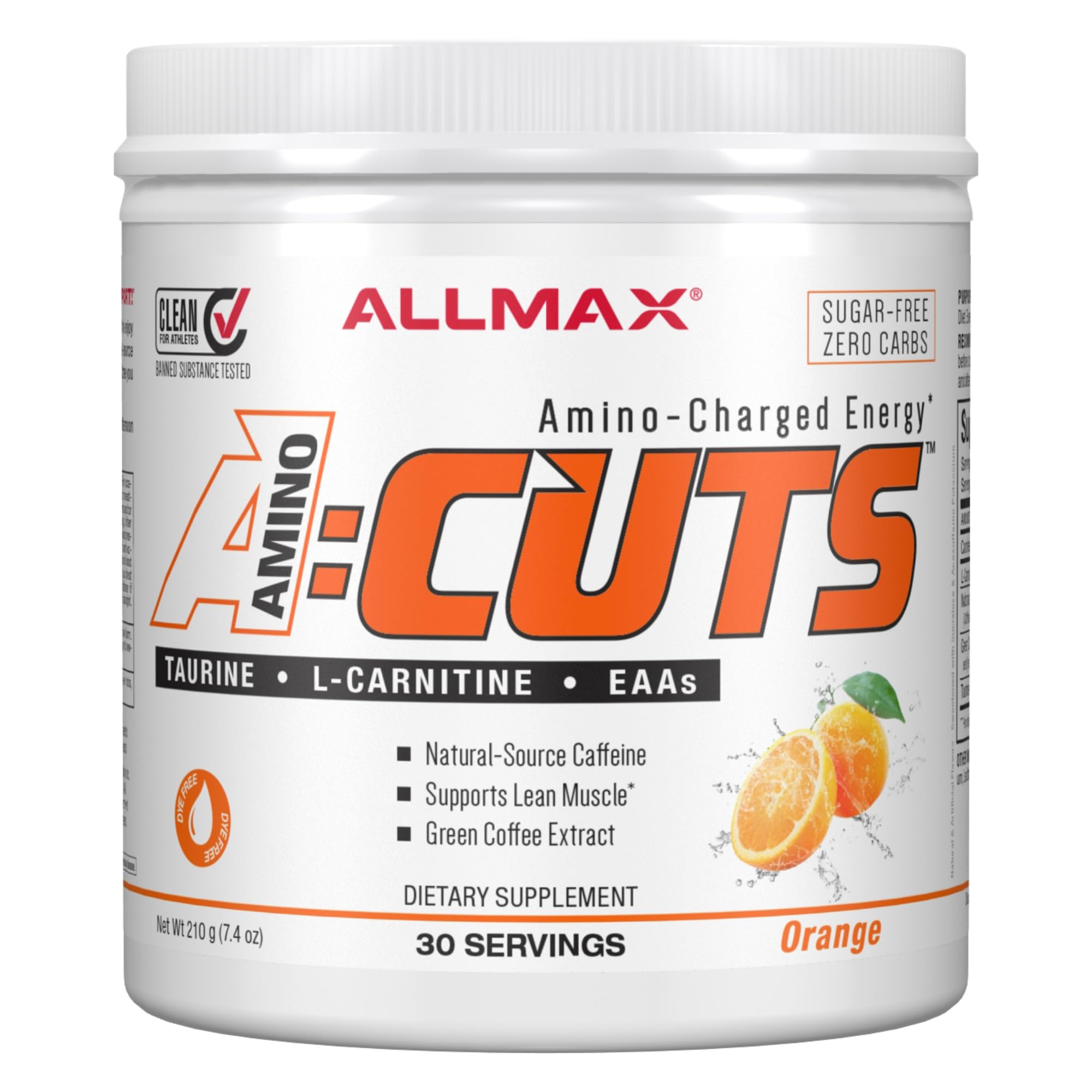
ALLMAX
Amino:Cuts Amino-Charged Energy Drink Orange
⚡ for Energy
30
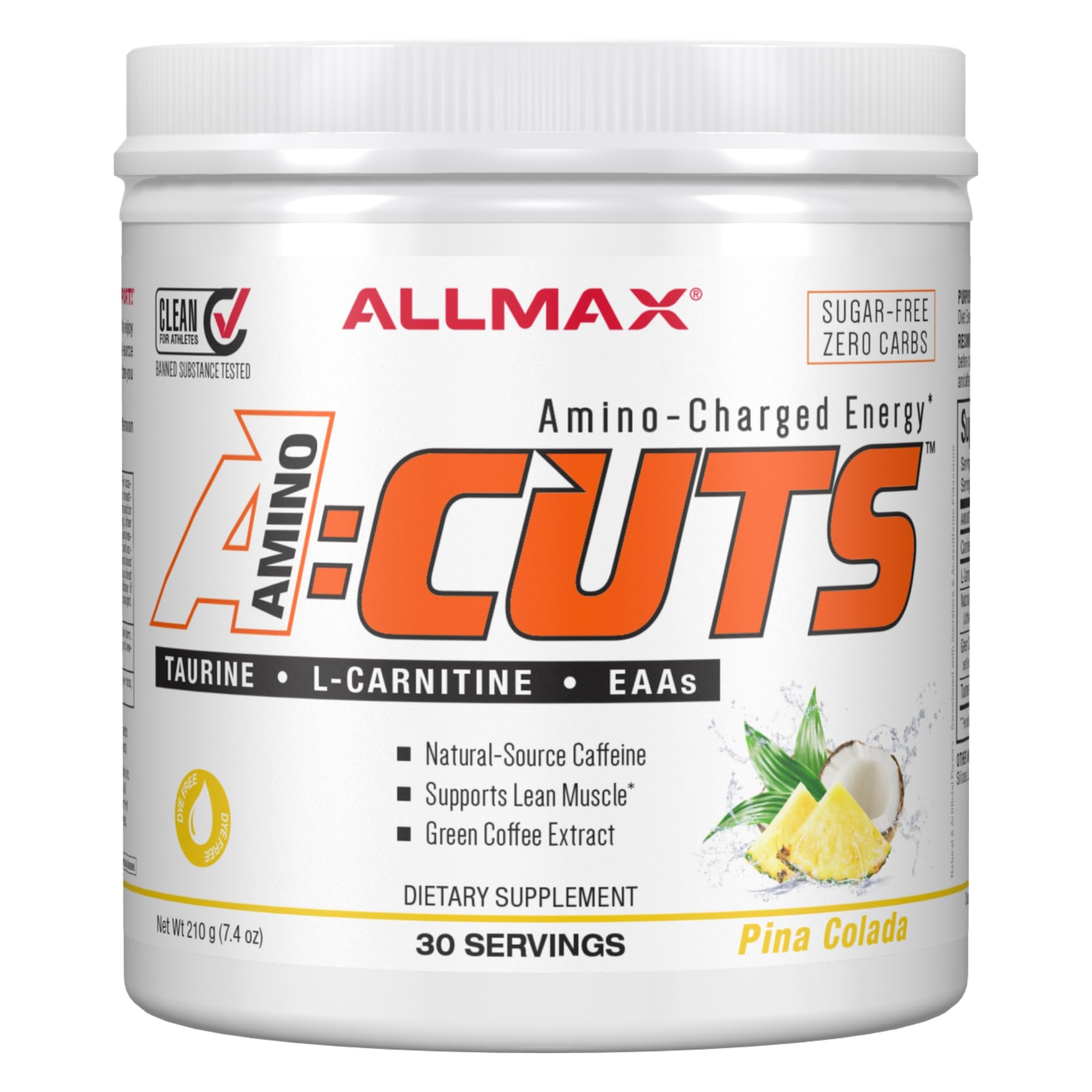
ALLMAX
Amino:Cuts Amino-Charged Energy Drink Pina Colada
⚡ for Energy
30
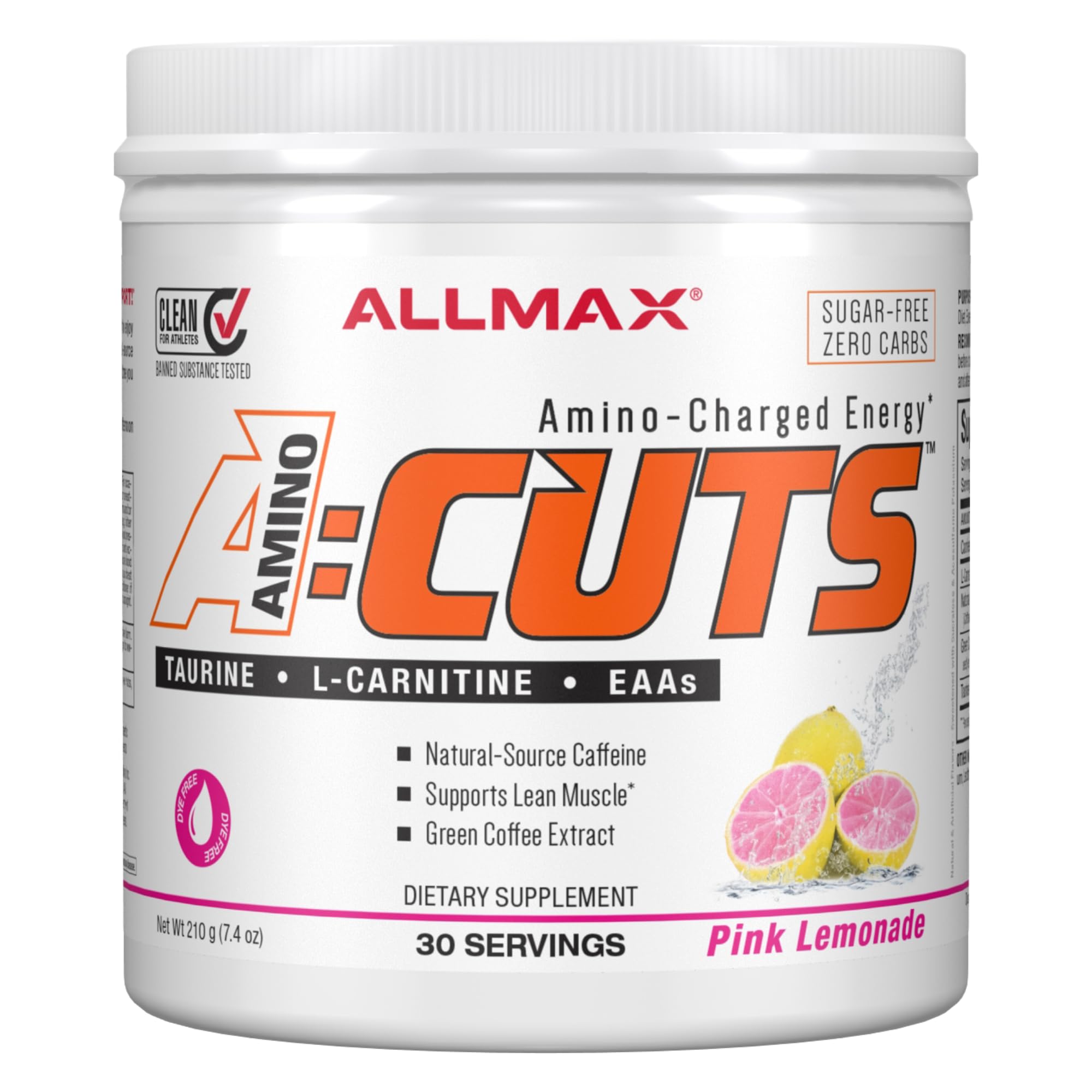
ALLMAX
Amino:Cuts Amino-Charged Energy Drink Pink Lemonade
⚡ for Energy
30
Sources & Scoring
Nutrient data (RDA, UL, and safety thresholds) sourced from the NIH Office of Dietary Supplements and the National Academies Dietary Reference Intakes (DRI).
This is not medical advice. Consult a healthcare provider before making changes to your supplement routine.
The score analyzes what's on the label: ingredient doses vs. studied ranges, chemical forms, evidence levels, and known interactions. It does not verify label accuracy or test for contaminants — for that, look for third-party certifications like USP or NSF.
Not medical advice. Consult your healthcare professional.