BioStacks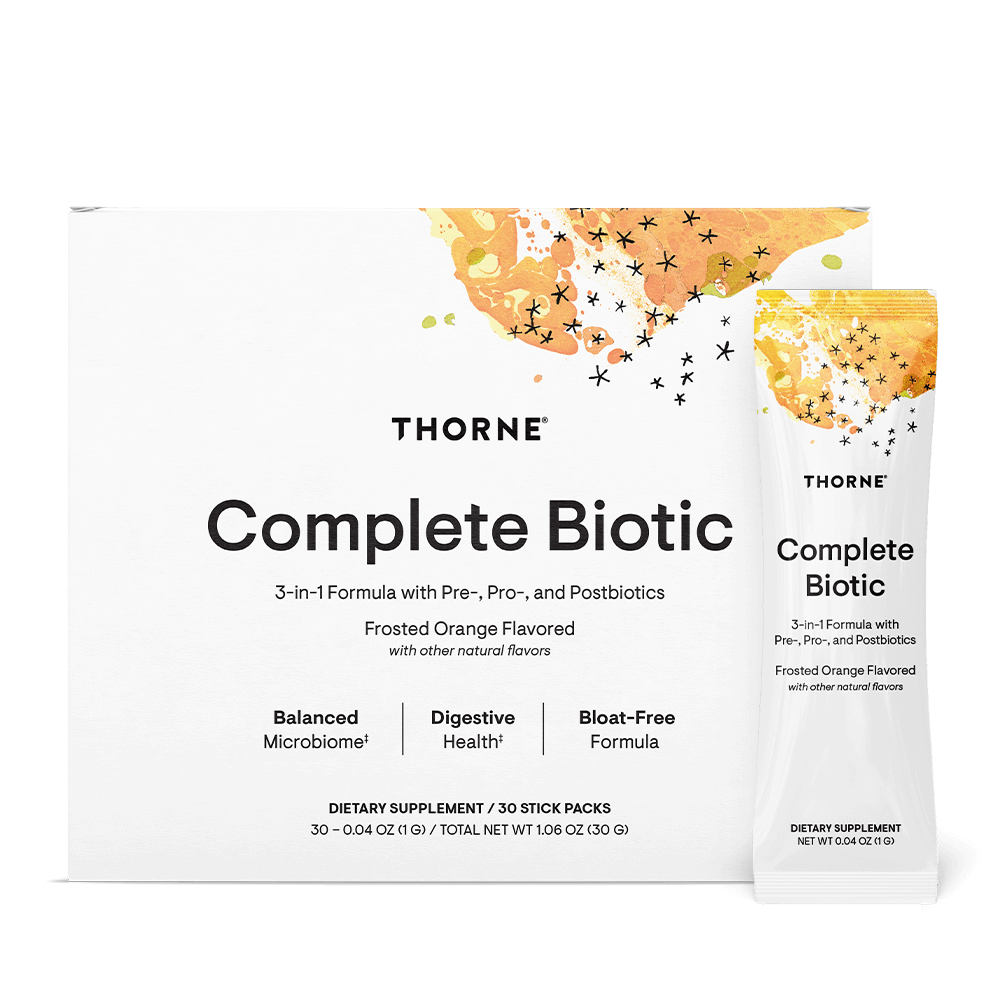
Best for
Ingredients (12)
DE111 Bacillus subtilis
100%Dose
1 billion cfu
Target
1–5 B CFU
Form
Premium
Microencapsulated Probiotic Blend
100%Dose
4 billion cfu
Target
1–100 B CFU
Form
Not listed
PreforPro (Non-Fiber Prebiotic Blend)
75%Dose
7.5 mg
Target
10–15 mg
Form
—
Lactobacillus plantarum
Amount not found
Lactobacillus rhamnosus
Amount not found
Other Ingredients (3)
MaltodextrinBinder
Spikes blood sugar faster than table sugar (glycemic index 85–105). Research links it to gut bacteria changes that may promote intestinal inflammation (Nickerson et al. 2015). Used as a cheap filler — adds nothing beneficial.
Medium Chain Triglyceride OilCarrier
Fractionated oils rich in C8/C10 triglycerides used as neutral carrier or anti-sticking agent
HypromelloseCapsule
Plant-derived capsule material from cellulose
How to Take It
Best taken in the morning
Live strains survive stomach acid best taken with or just before a meal — after a meal is the worst option. Consistency matters more than the clock.
With food
Keep it away from hot food or drink
On the label
How do I use this product?Simply take two (2) Pro-X10 capsules daily, one (1) capsule with breakfast and one (1) capsule to maintain maximum potency, with dinner.
General guidance based on the ingredients, not a substitute for the label or your doctor.
Price Check
$33.00
Near the median of 33 L. plantarum supplements
Track this supplement in your stack
Get personalized insights, interactions, and coverage recommendations.
Get Started FreeSimilar Supplements
Thorne
Complete Biotic
🍏 for Digestion
44
Garden of Life Dr. Formulated
Probiotics Gas & Bloating 50 Billion
🍏 for Digestion
62
Garden of Life Dr. Formulated
Probiotics Calm 50 Billion
🍏 for Digestion
41
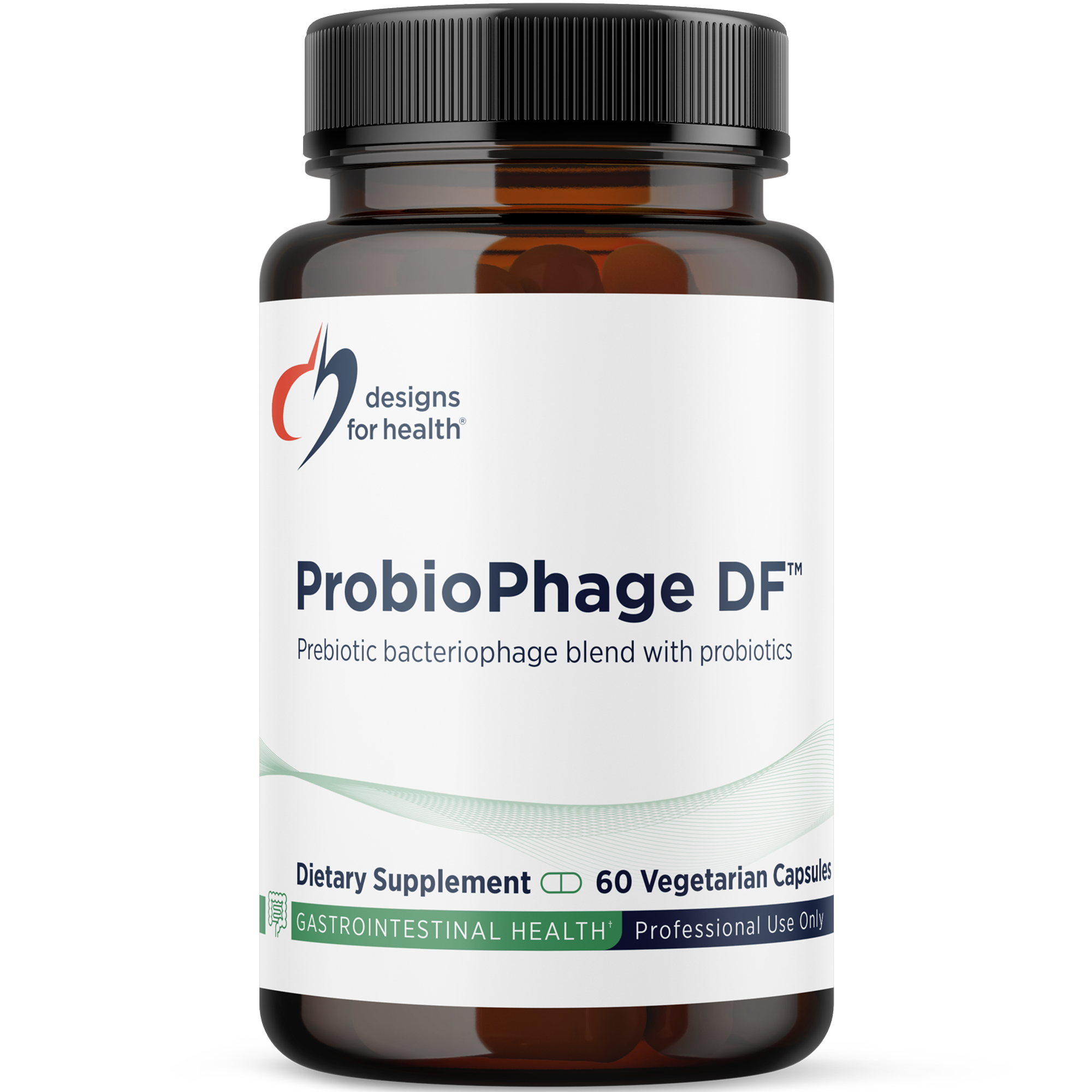
Designs for Health
ProbioPhage DF™
🍏 for Digestion
40
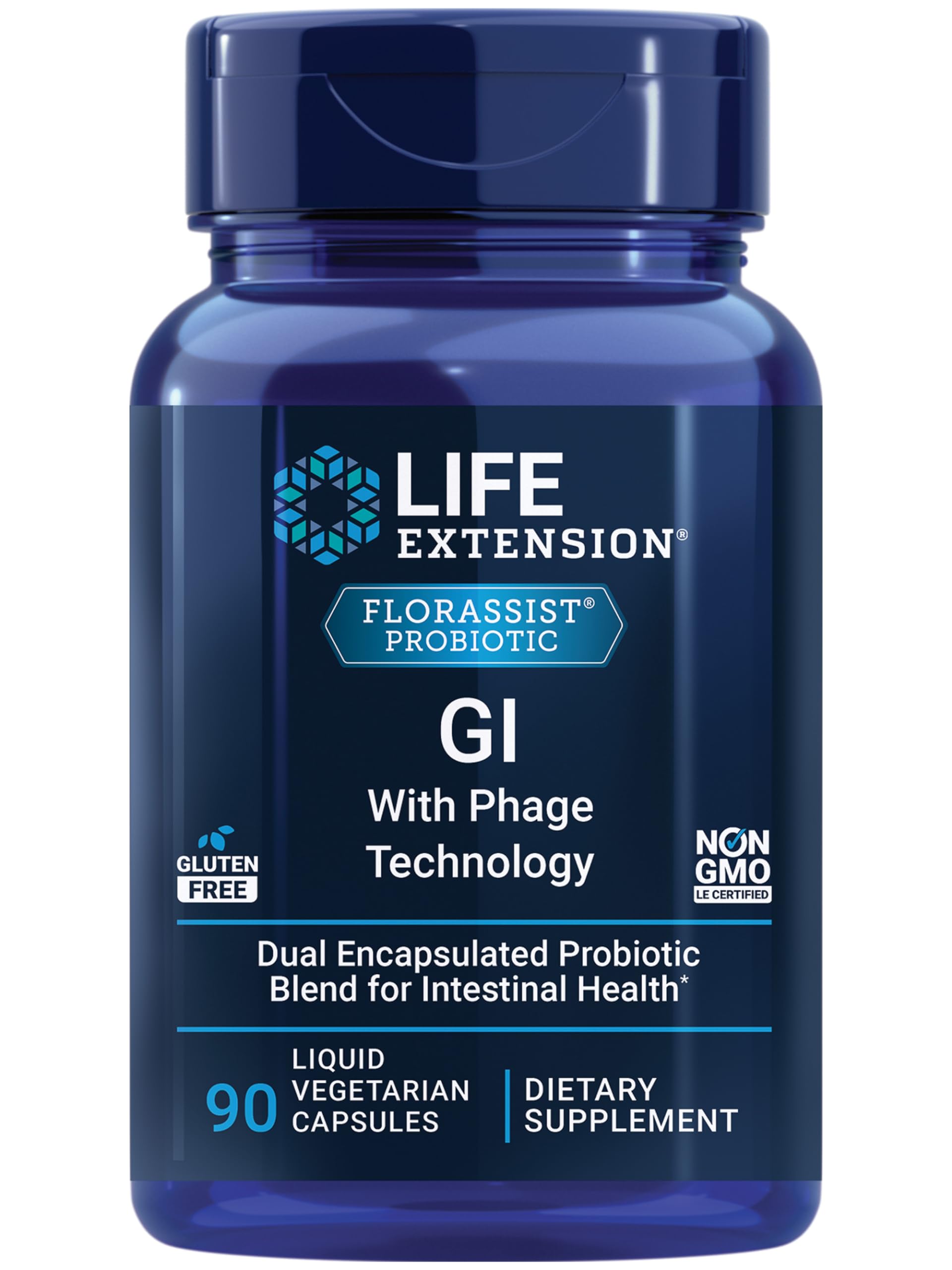
Life Extension
Florassist Probiotic GI with Phage Technology
🍏 for Digestion
39
Sources & Scoring
Nutrient data (RDA, UL, and safety thresholds) sourced from the NIH Office of Dietary Supplements and the National Academies Dietary Reference Intakes (DRI).
This is not medical advice. Consult a healthcare provider before making changes to your supplement routine.
The score analyzes what's on the label: ingredient doses vs. studied ranges, chemical forms, evidence levels, and known interactions. It does not verify label accuracy or test for contaminants — for that, look for third-party certifications like USP or NSF.