BioStacksAsk AI about this product
What it does
The product name and ingredient list do not agree; purpose cannot be confirmed.
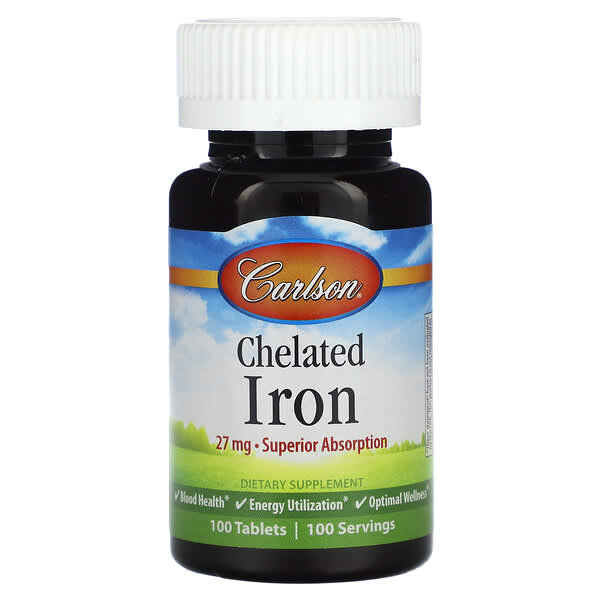
Iron
iron glycinatePremium
Label lists Iron (30 mg). Benefit information is limited.
Ingredients (1)
Nutrition
Calories, macros & sodium.
- Calories5 Calorie(s)
- Total Carbohydrate1 Gram(s)
- Total Sugars1 Gram(s)
Other ingredients
FructoseSweetener
Added free fructose is metabolized in the liver and at habitual intake is linked to elevated triglycerides, hepatic fat accumulation, and insulin resistance; an avoidable sugar load with no supplement benefit.
SucroseSweetener
Added sugars and high glycemic load; dental caries risk
XylitolSweetener
A FODMAP sugar alcohol that can cause GI distress (bloating, gas, diarrhea) at moderate doses (>10-20g/day), though supplement amounts are typically small. Extremely toxic to dogs — households with pets should store securely.
Natural FlavorsFlavor
Broad regulatory category of flavor constituents derived from natural sources. Composition is proprietary and not disclosed — 'Natural Flavors' can include several hundred different compounds depending on the target flavor profile, including hexane-extracted constituents and proprietary carrier solvents. 'Natural' is a regulatory definition (21 CFR §101.22), not a safety guarantee.
Silicon DioxideAnti-caking
Fine silica powder used to prevent clumping
Microcrystalline CelluloseBinder
Plant-derived cellulose used as a binder and filler in supplements
Citric AcidAcidulant
Natural acid derived from citrus fruits
Stearic AcidLubricant
Saturated fatty acid used as tablet lubricant
Lab testing
How to take it
On an empty stomach
Keep it away from coffee, tea and dairy
Space it a couple of hours from Calcium, Zinc, Magnesium, Manganese and Green Tea Leaf Extract
On the label
Directions: Adults: Chew two tablets daily at mealtime.
Labels usually say “with food” because it's gentler on the stomach, not because it absorbs better. Fasted absorbs more — start there, and switch to a light meal if it bothers you.
Price check
No price yet
What 138 iron supplements cost
Similar products
Sources & Scoring
Nutrient data (RDA, UL, and safety thresholds) sourced from the NIH Office of Dietary Supplements and the National Academies Dietary Reference Intakes (DRI).
This is not medical advice. Consult a healthcare provider before making changes to your supplement routine.
The score analyzes what's on the label: ingredient doses vs. studied ranges, chemical forms, evidence levels, and known interactions. It does not verify label accuracy or test for contaminants — for that, look for third-party certifications like USP or NSF.
Not medical advice. Consult your healthcare professional.