What it does
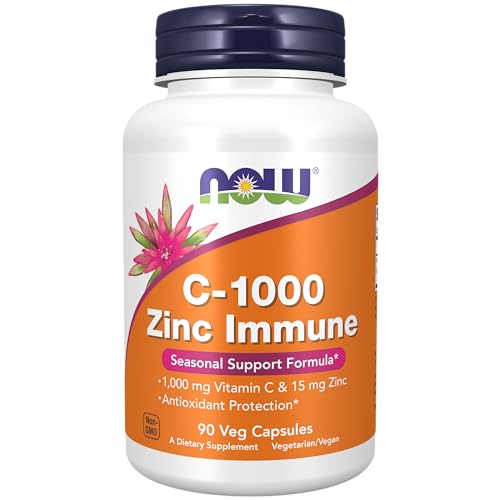
A combination of 2 label ingredients.
Zinc
zinc oxideBudget
Supports normal immune function, wound healing, and protein and DNA production.
Vitamin C
ascorbic acidBudget
Supports normal collagen production and immune function, and helps the body absorb iron from plant foods.
Ingredients (2)
Other ingredients
Caramel ColorColor
Class III and IV caramel colors contain 4-methylimidazole (4-MEI), classified by IARC as Group 2B (possibly carcinogenic to humans) in 2011 (Monograph Vol. 101). California Prop 65 lists 4-MEI as a known carcinogen; products delivering >29 mcg/day require a cancer warning label. NTP TR-535 (2007) found 4-MEI caused lung tumors in mice. Major cola brands (Coca-Cola, Pepsi) voluntarily reformulated 2012-2014 to reduce 4-MEI below California thresholds. Because labels never specify Class I (sugar + heat only, safer) vs Class III/IV (ammonia-process, contains 4-MEI), consumers cannot verify which they're consuming. Combined with the additive's purely cosmetic purpose, the risk:benefit ratio is unfavorable for any supplement.
Soy LecithinEmulsifier
Widely used emulsifier derived from soybeans
GelatinCapsule
Protein derived from collagen, used in traditional capsule shells
Safflower Seed OilCarrier
Light, neutral oil from safflower seeds used as a carrier in softgels for fat-soluble nutrients
Sunflower LecithinEmulsifier
Non-GMO, non-allergenic emulsifier derived from sunflower seeds
Sunflower Seed OilCarrier
Common vegetable oil from sunflower seeds used as a carrier in softgels for fat-soluble nutrients
GlycerinHumectant
Sweet-tasting liquid used in soft capsules and liquids
BeeswaxCoating
Natural wax produced by honeybees, used as a coating and binding agent in softgels and tablets
Lab testing
How to take it
With food
Space it a couple of hours from Iron and Calcium
On the label
For adults, take two (2) quick release softgels daily, preferably with a meal.
Price check
$9.99
$0.08 / serving
Cheaper than 70% of 219 zinc supplements
Similar products
Sources & Scoring
Nutrient data (RDA, UL, and safety thresholds) sourced from the NIH Office of Dietary Supplements and the National Academies Dietary Reference Intakes (DRI).
This is not medical advice. Consult a healthcare provider before making changes to your supplement routine.
The score analyzes what's on the label: ingredient doses vs. studied ranges, chemical forms, evidence levels, and known interactions. It does not verify label accuracy or test for contaminants — for that, look for third-party certifications like USP or NSF.
Not medical advice. Consult your healthcare professional.