BioStacks
Ingredients (1)
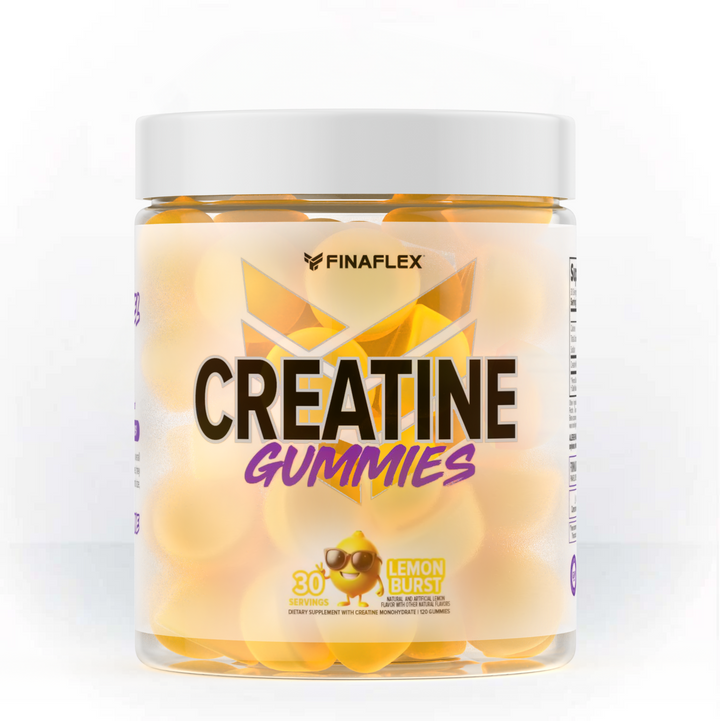
Creatine Monohydrate
100%Dose
5 g
Target
3–5 g
Form
Premium
Nutrition
Calories, macros & sodium.
- Sodium65 mg
Other Ingredients (9)
MaltitolSweetener
Worst GI tolerance of the common sugar alcohols — laxative effect at doses above ~10–15 g/serving in many adults; threshold is lower in children. Glycemic index (~52) is significantly higher than erythritol (0) or xylitol (~7) — meaningful blood glucose impact at typical serving sizes. The 'sugar-free' marketing claim masks real metabolic effects when consumed in quantity.
XylitolSweetener
A FODMAP sugar alcohol that can cause GI distress (bloating, gas, diarrhea) at moderate doses (>10-20g/day), though supplement amounts are typically small. Extremely toxic to dogs — households with pets should store securely.
AnnattoColorant
Natural yellow-orange colorant derived from the seeds of the achiote tree (Bixa orellana)
Natural FlavorsFlavor
Broad regulatory category of flavor constituents derived from natural sources. Composition is proprietary and not disclosed — 'Natural Flavors' can include several hundred different compounds depending on the target flavor profile, including hexane-extracted constituents and proprietary carrier solvents. 'Natural' is a regulatory definition (21 CFR §101.22), not a safety guarantee.
Citric AcidAcidulant
Natural acid derived from citrus fruits
Carnauba WaxCoating
Hard plant wax from the carnauba palm used to glaze gummies and tablets
Stevia ExtractSweetener
Zero-calorie natural sweetener extracted from the leaves of Stevia rebaudiana
Sunflower Seed OilCarrier
Common vegetable oil from sunflower seeds used as a carrier in softgels for fat-soluble nutrients
How to Take It
Take it anytime
Timing is irrelevant — total daily intake and consistency are all that matter.
With or without food
On the label
Take 5 gummies daily.
General guidance based on the ingredients, not a substitute for the label or your doctor.
Price Check
$35.99
Pricier than 72% of 155 creatine monohydrate supplements
Track this supplement in your stack
Get personalized insights, interactions, and coverage recommendations.
Get Started FreeSimilar Supplements
Sources & Scoring
Nutrient data (RDA, UL, and safety thresholds) sourced from the NIH Office of Dietary Supplements and the National Academies Dietary Reference Intakes (DRI).
This is not medical advice. Consult a healthcare provider before making changes to your supplement routine.
The score analyzes what's on the label: ingredient doses vs. studied ranges, chemical forms, evidence levels, and known interactions. It does not verify label accuracy or test for contaminants — for that, look for third-party certifications like USP or NSF.