BioStacks
Best for
Ingredients (2)
Bioperine
100%Dose
5 mg
Target
5–20 mg
Form
—
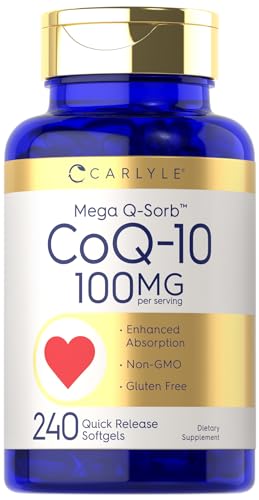
Coenzyme Q10
100%Dose
300 mg
Target
100–300 mg
Form
Standard
Other Ingredients (10)
CarrageenanThickener
Can break down into poligeenan (a known inflammatory) under stomach acid conditions. Tobacman (2001, Environmental Health Perspectives) reviewed evidence linking carrageenan to intestinal inflammation and ulceration. Major food brands (Silk, Stonyfield) have voluntarily removed it. Used only as a thickener — provides no health benefit.
SorbitolSweetener
A FODMAP sugar alcohol that may trigger GI discomfort (bloating, gas) in individuals with IBS or sorbitol malabsorption, even at small amounts found in supplements. Avoided in low-FODMAP diets.
StarchBinder
Carbohydrate polymer used as a binder, filler, and disintegrant in tablets and capsules
GlycerinHumectant
Sweet-tasting liquid used in soft capsules and liquids
Stevia ExtractSweetener
Zero-calorie natural sweetener extracted from the leaves of Stevia rebaudiana
Purified WaterSolvent
Water meeting USP specifications used as solvent/vehicle in gummies and liquids
Sunflower LecithinEmulsifier
Non-GMO, non-allergenic emulsifier derived from sunflower seeds
Sunflower Seed OilCarrier
Common vegetable oil from sunflower seeds used as a carrier in softgels for fat-soluble nutrients
How to Take It
Take it anytime
Fat-soluble — absorbs far better with a fat-containing meal. Time of day doesn't matter.
With a meal containing fat
On the label
Adult Use: Take 1 softgel daily, preferably with food for maximum absorption, or as recommended by a nutritionally-informed physician.
General guidance based on the ingredients, not a substitute for the label or your doctor.
Price Check
$35.41
Near the median of 223 coenzyme Q10 supplements
Track this supplement in your stack
Get personalized insights, interactions, and coverage recommendations.
Get Started FreeSimilar Supplements
Sources & Scoring
Nutrient data (RDA, UL, and safety thresholds) sourced from the NIH Office of Dietary Supplements and the National Academies Dietary Reference Intakes (DRI).
This is not medical advice. Consult a healthcare provider before making changes to your supplement routine.
The score analyzes what's on the label: ingredient doses vs. studied ranges, chemical forms, evidence levels, and known interactions. It does not verify label accuracy or test for contaminants — for that, look for third-party certifications like USP or NSF.