BioStacks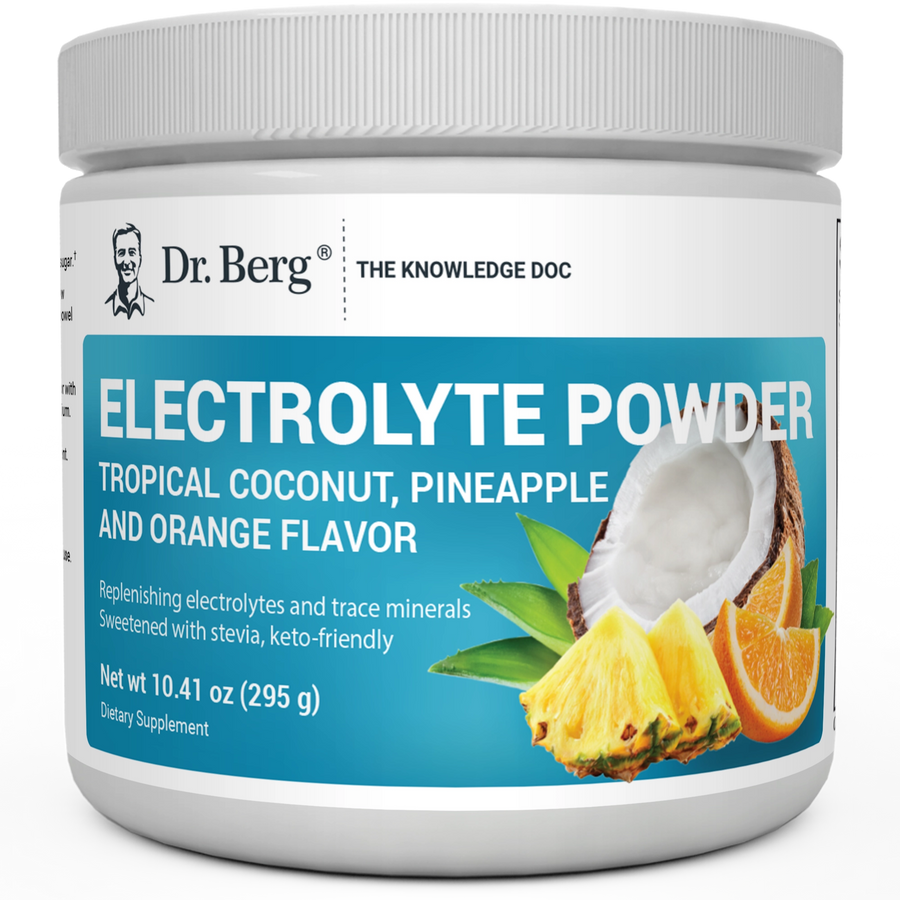
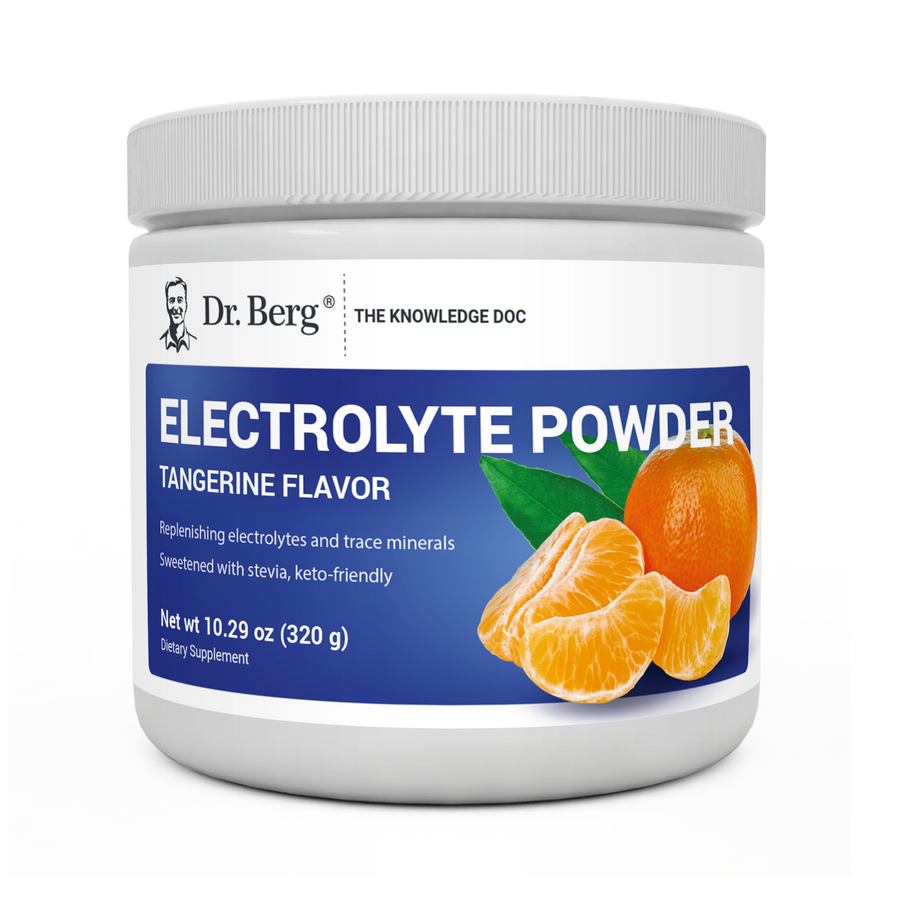
Ingredients (7)
Potassium
100%Dose
1000 mg
Target
99–500 mg
Form
Standard
Magnesium
100%Dose
120 mg
Target
100–400 mg
Form
Standard
Calcium
38%Dose
75 mg
Target
200–600 mg
Form
Premium
Dietary Fiber
10%Dose
1 g
Target
10–30 g
Form
—
Sodium
13%Dose
40 mg
Target
300–1000 mg
Form
—
Other Ingredients (3)
Natural FlavorsFlavor
Broad regulatory category of flavor constituents derived from natural sources. Composition is proprietary and not disclosed — 'Natural Flavors' can include several hundred different compounds depending on the target flavor profile, including hexane-extracted constituents and proprietary carrier solvents. 'Natural' is a regulatory definition (21 CFR §101.22), not a safety guarantee.
Citric AcidAcidulant
Natural acid derived from citrus fruits
Stevia ExtractSweetener
Zero-calorie natural sweetener extracted from the leaves of Stevia rebaudiana
How to Take It
Best taken in the evening
The Magnesium in it is what pulls this toward the evening. Take it with food — the potassium in it is what makes this kind of product feel nauseating on an empty stomach.
With food
Iron does better on an empty stomach, but something else in this bottle needs food. Taking the whole product with a meal is the better trade — an upset stomach is why most people stop.
Keep it away from high-oxalate foods like spinach, medication and mineral supplements
Space it a couple of hours from Zinc, Manganese and Green Tea Leaf Extract
On the label
Take 1 stick pack daily.
General guidance based on the ingredients, not a substitute for the label or your doctor.
Price Check
$31.99
Near the median of 118 hydration supplements
Track this supplement in your stack
Get personalized insights, interactions, and coverage recommendations.
Get Started FreeSimilar Supplements
Dr. Berg
Electrolyte Powder (Tropical Coconut, Pineapple and Orange Flavor)
💧 for Hydration
74
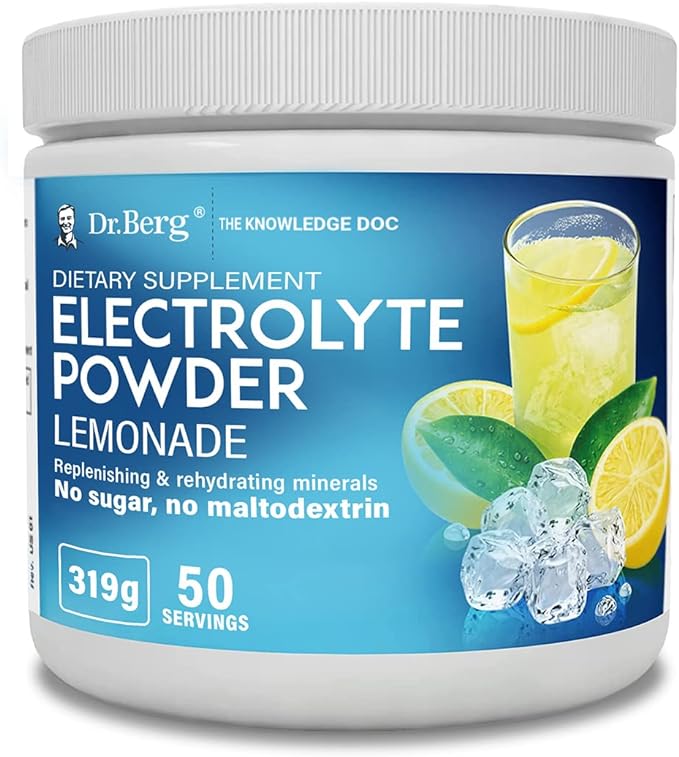
Dr. Berg
Hydration Keto Electrolyte Powder (Lemonade)
💧 for Hydration
74
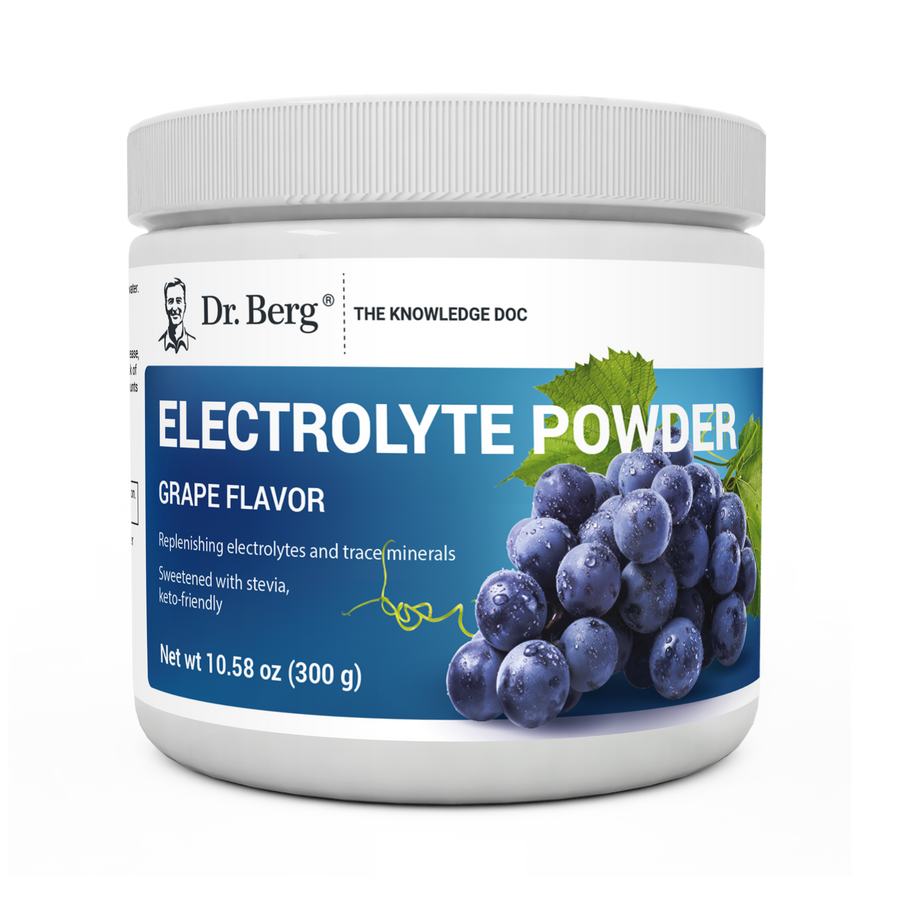
Dr. Berg
Electrolyte Powder (Grape)
💧 for Hydration
71
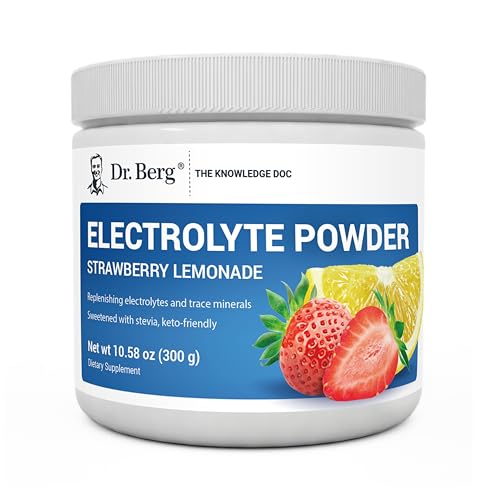
Dr. Berg
Electrolyte Powder (Strawberry & Lemonade)
💧 for Hydration
71
Dr. Berg
Electrolyte Powder (Tangerine)
💧 for Hydration
71
Sources & Scoring
Nutrient data (RDA, UL, and safety thresholds) sourced from the NIH Office of Dietary Supplements and the National Academies Dietary Reference Intakes (DRI).
This is not medical advice. Consult a healthcare provider before making changes to your supplement routine.
The score analyzes what's on the label: ingredient doses vs. studied ranges, chemical forms, evidence levels, and known interactions. It does not verify label accuracy or test for contaminants — for that, look for third-party certifications like USP or NSF.