BioStacks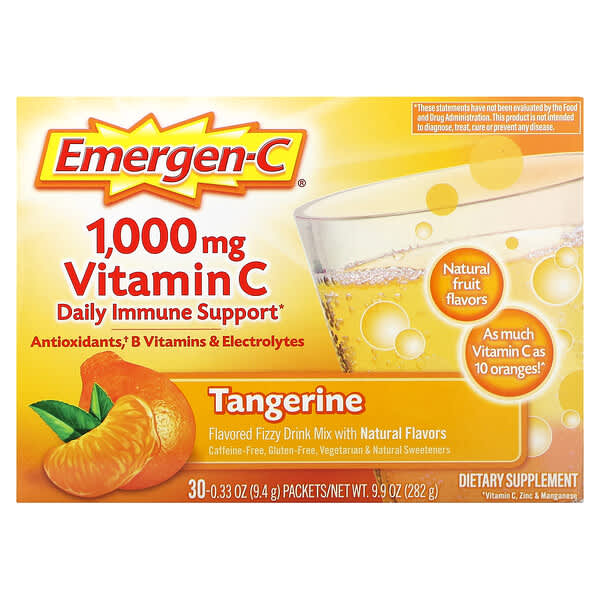
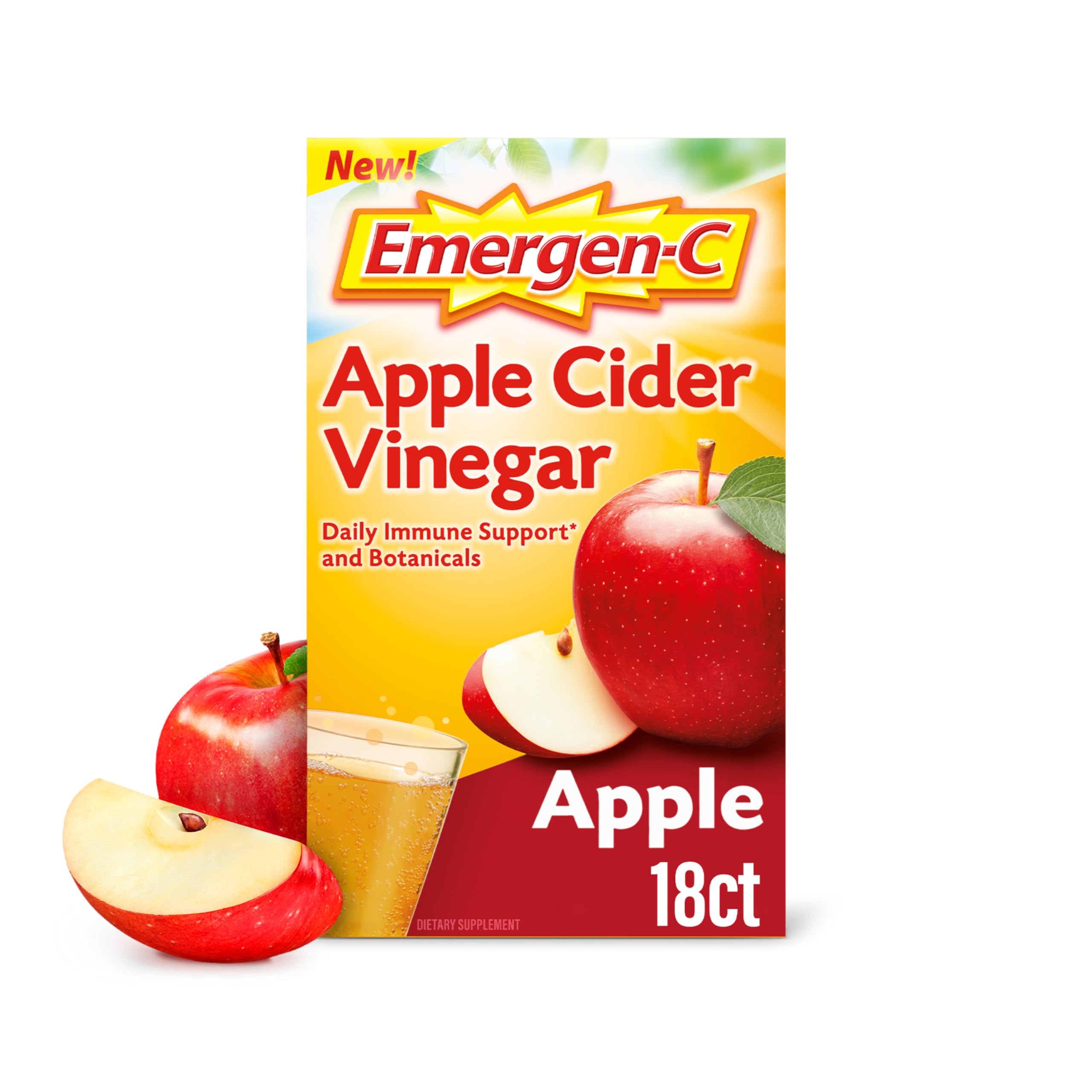
Best for
Ingredients (17)
Vitamin B6
100%Dose
10 mg
Target
1.3–25 mg
Form
Premium
Vitamin C
100%Dose
1000 mg
Target
25–100 mg
Form
Budget
Potassium‡
100%Dose
200 mg
Target
99–500 mg
Form
Standard
Vitamin B12
10%Dose
25 mcg
Target
250–5000 mcg
Form
Budget
Pantothenic Acid
5%Dose
2.5 mg
Target
50–500 mg
Form
Premium
Other Ingredients (13)
FructoseSweetener
Added free fructose is metabolized in the liver and at habitual intake is linked to elevated triglycerides, hepatic fat accumulation, and insulin resistance; an avoidable sugar load with no supplement benefit.
MaltodextrinBinder
Spikes blood sugar faster than table sugar (glycemic index 85–105). Research links it to gut bacteria changes that may promote intestinal inflammation (Nickerson et al. 2015). Used as a cheap filler — adds nothing beneficial.
Beta-Carotene (color)Color
Beta-carotene used in small amounts as a colorant/antioxidant.
L-Aspartic AcidAmino Acid
A non-essential amino acid.
Natural FlavorsFlavor
Broad regulatory category of flavor constituents derived from natural sources. Composition is proprietary and not disclosed — 'Natural Flavors' can include several hundred different compounds depending on the target flavor profile, including hexane-extracted constituents and proprietary carrier solvents. 'Natural' is a regulatory definition (21 CFR §101.22), not a safety guarantee.
Fruit Juice (unspecified)Colorant
Juice or juice concentrate used primarily for natural color and flavor in gummies
Orange OilFlavor
Essential oil from sweet orange peel used as a natural flavoring agent. Primary component is d-limonene (~90%).
Silicon DioxideAnti-caking
Fine silica powder used to prevent clumping
How to Take It
Take it anytime
No evidence a formula this broad works better at any particular hour. Take it with food — the zinc, niacin and potassium in it are what makes this kind of product feel nauseating on an empty stomach.
With food
Space it a couple of hours from Iron and Calcium
On the label
Ages 14 and up, one (1) packet daily. Empty contents into a glass, add 4-6 oz of water, stir. For lighter flavor, mix with more water. Do not exceed suggested use. If you are pregnant, nursing, or taking medication, consult your doctor before use.
General guidance based on the ingredients, not a substitute for the label or your doctor.
Price Check
$15.43
Cheaper than 82% of 798 multivitamins
Track this supplement in your stack
Get personalized insights, interactions, and coverage recommendations.
Get Started FreeSimilar Supplements
Emergen-C
Vitamin C, Tangerine, 1,000 mg, 30 Packets, 0.33 oz (9.4 g) Each
💧 for Hydration
36
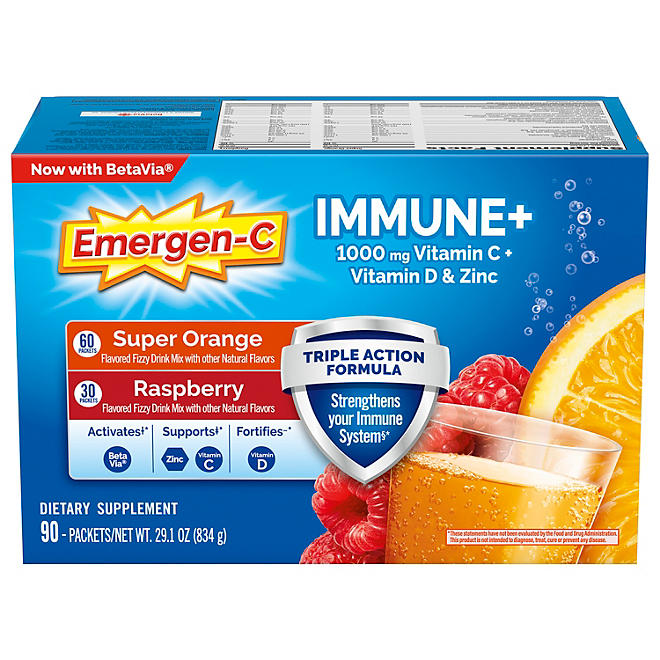
Emergen-C
Immune+ Triple Action Vitamin C Powder
💧 for Hydration
38
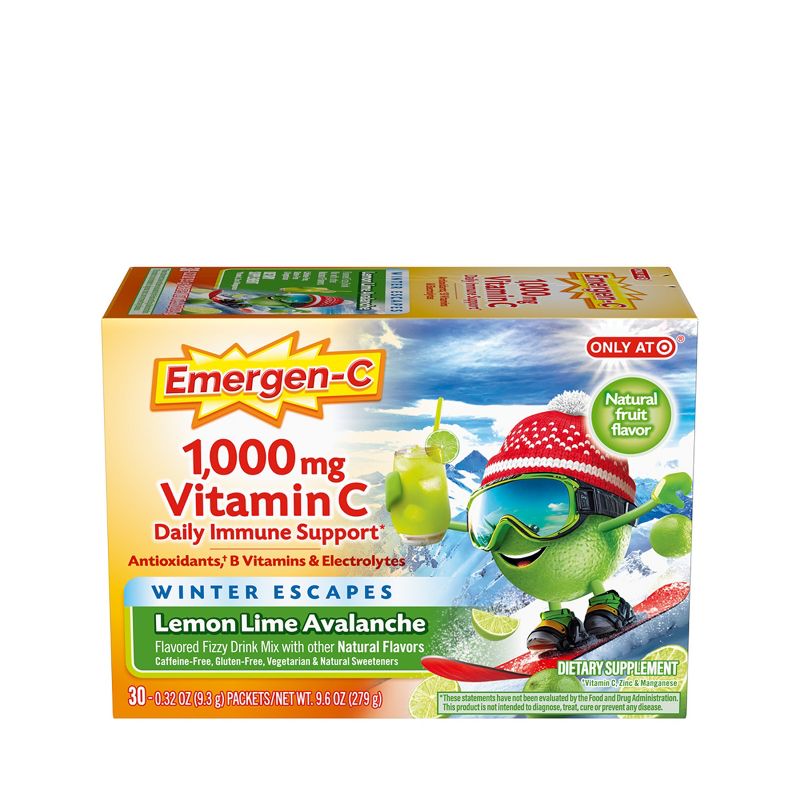
Emergen-C
Winter Escapes (Lemon Lime Avalanche)
💧 for Hydration
38
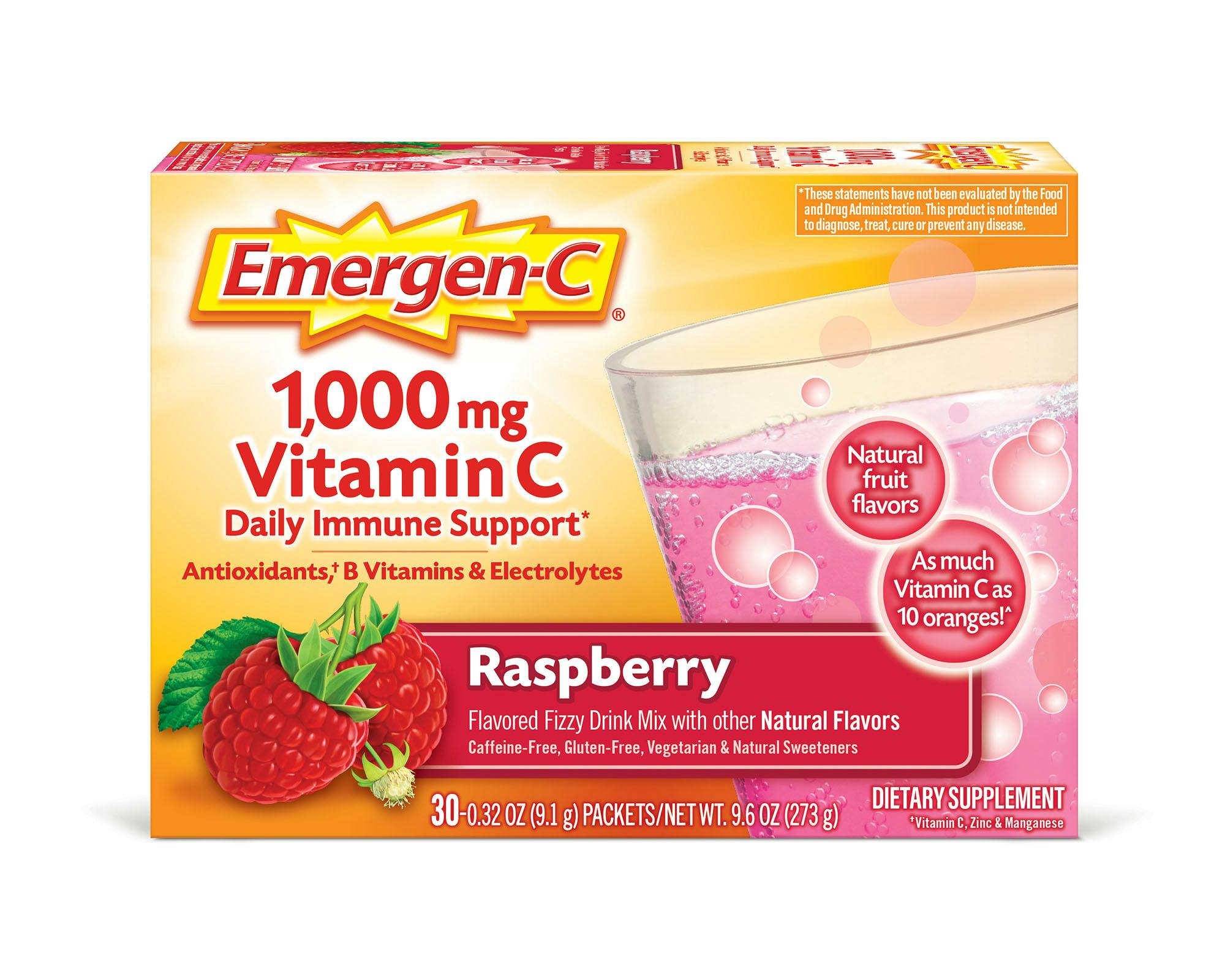
Emergen-C
1000 mg Vitamin C (Raspberry)
💧 for Hydration
24
Emergen-C
Botanicals Apple Cider Vinegar (Apple)
🦷 for Dental
7
Sources & Scoring
Nutrient data (RDA, UL, and safety thresholds) sourced from the NIH Office of Dietary Supplements and the National Academies Dietary Reference Intakes (DRI).
This is not medical advice. Consult a healthcare provider before making changes to your supplement routine.
The score analyzes what's on the label: ingredient doses vs. studied ranges, chemical forms, evidence levels, and known interactions. It does not verify label accuracy or test for contaminants — for that, look for third-party certifications like USP or NSF.