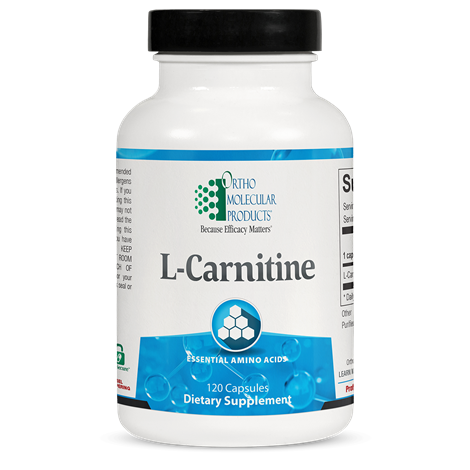
If you're after better workout energy and exercise recovery, this gives you 1000mg of **L-Carnitine** per tablet as the tartrate form — the version used in most exercise trials, and squarely inside the 500–2,000mg clinical range. The label's two-tablet pre-workout serving puts you at 2,000mg, the top of that range.
L-carnitine helps shuttle fat into your cells to burn for energy, so its clearest payoff is around training. It matters most if you're older, vegetarian or vegan, or running low — your body makes its own from meat, so a young, healthy meat-eater may feel only a modest effect.
Worth knowing: this is plain L-carnitine, not acetyl-L-carnitine (ALCAR). It doesn't cross into the brain the way ALCAR does, so it's built for your body and exercise, not focus or memory. For training energy and recovery, the dose and form are right where the research wants them.
BioStacks
Other Ingredients (6)
Silicon DioxideAnti-caking
Fine silica powder used to prevent clumping
Magnesium StearateLubricant
A salt of stearic acid used as a lubricant in tablet and capsule production
Hydroxypropyl CelluloseBinder
An inert modified-cellulose polymer used as a binder, film-former, and disintegrant.
HypromelloseCapsule
Plant-derived capsule material from cellulose
Microcrystalline CelluloseBinder
Plant-derived cellulose used as a binder and filler in supplements
Stearic AcidLubricant
Saturated fatty acid used as tablet lubricant
How to Take It
Take it anytime
Absorption is modest either way; taking it with carbohydrate-containing meals improves uptake.
With food
Split into 2 doses across the day
On the label
As a dietary supplement, take one tablet twice daily on training days. For optimal results, take two tablets 30-60 minutes prior to exercise.
General guidance based on the ingredients, not a substitute for the label or your doctor.
Price Check
$29.99
Near the median of 119 carnitine supplements
Track this supplement in your stack
Get personalized insights, interactions, and coverage recommendations.
Get Started FreeSimilar Supplements
Sources & Scoring
Nutrient data (RDA, UL, and safety thresholds) sourced from the NIH Office of Dietary Supplements and the National Academies Dietary Reference Intakes (DRI).
This is not medical advice. Consult a healthcare provider before making changes to your supplement routine.
The score analyzes what's on the label: ingredient doses vs. studied ranges, chemical forms, evidence levels, and known interactions. It does not verify label accuracy or test for contaminants — for that, look for third-party certifications like USP or NSF.