BioStacks
Best for
Ingredients (22)
Silicon
100%Dose
9 mg
Target
5–30 mg
Form
—
Manganese
100%Dose
4 mg
Target
1.8–5 mg
Form
Not listed
Calcium
100%Dose
375 mg
Target
200–600 mg
Form
Not listed
Magnesium
100%Dose
124 mg
Target
100–400 mg
Form
Not listed
Copper
100%Dose
1000 mcg
Target
1000–2000 mcg
Form
Not listed
Other Ingredients (25)
Sodium BorateBuffer
Classified as a Substance of Very High Concern (SVHC) under EU REACH for reproductive toxicity (Category 1B — may damage fertility and the unborn child). EFSA's tolerable upper intake from total boron exposure is 10 mg/day for adults; sodium borate dosing must stay well below this. Acute oral toxicity is moderate (lethal dose ~5–20 g in adults), but the chronic-exposure reproductive endpoint is the binding constraint. Largely phased out of modern supplements and personal care in favor of safer buffers (citrate, phosphate). If a current product lists sodium borate, the inclusion warrants scrutiny — there are safer alternatives for every excipient function it provides.
AlfalfaFiller
A nutrient-dense plant sometimes used as a base or filler in supplement formulations
Purple CarrotColor
Anthocyanin-rich purple carrot, used as a natural coloring/food ingredient.
Copper CitrateMineral Source
A citrate salt of copper used as a copper source.
Dandelion (herb base)Botanical
Dandelion root/leaf (sometimes combined with parsley leaf) used as an herbal base.
Magnesium StearateLubricant
A salt of stearic acid used as a lubricant in tablet and capsule production
Magnesium StearateLubricant
A salt of stearic acid used as a lubricant in tablet and capsule production
KelpFood
Dried brown seaweed used as a whole-food source of iodine and trace minerals.
How to Take It
Take it anytime
No evidence a formula this broad works better at any particular hour. Take it with food — the zinc in it is what makes this kind of product feel nauseating on an empty stomach.
With food
Keep it away from high-oxalate foods like spinach, coffee and tea
Space it a couple of hours from Green Tea Leaf Extract
On the label
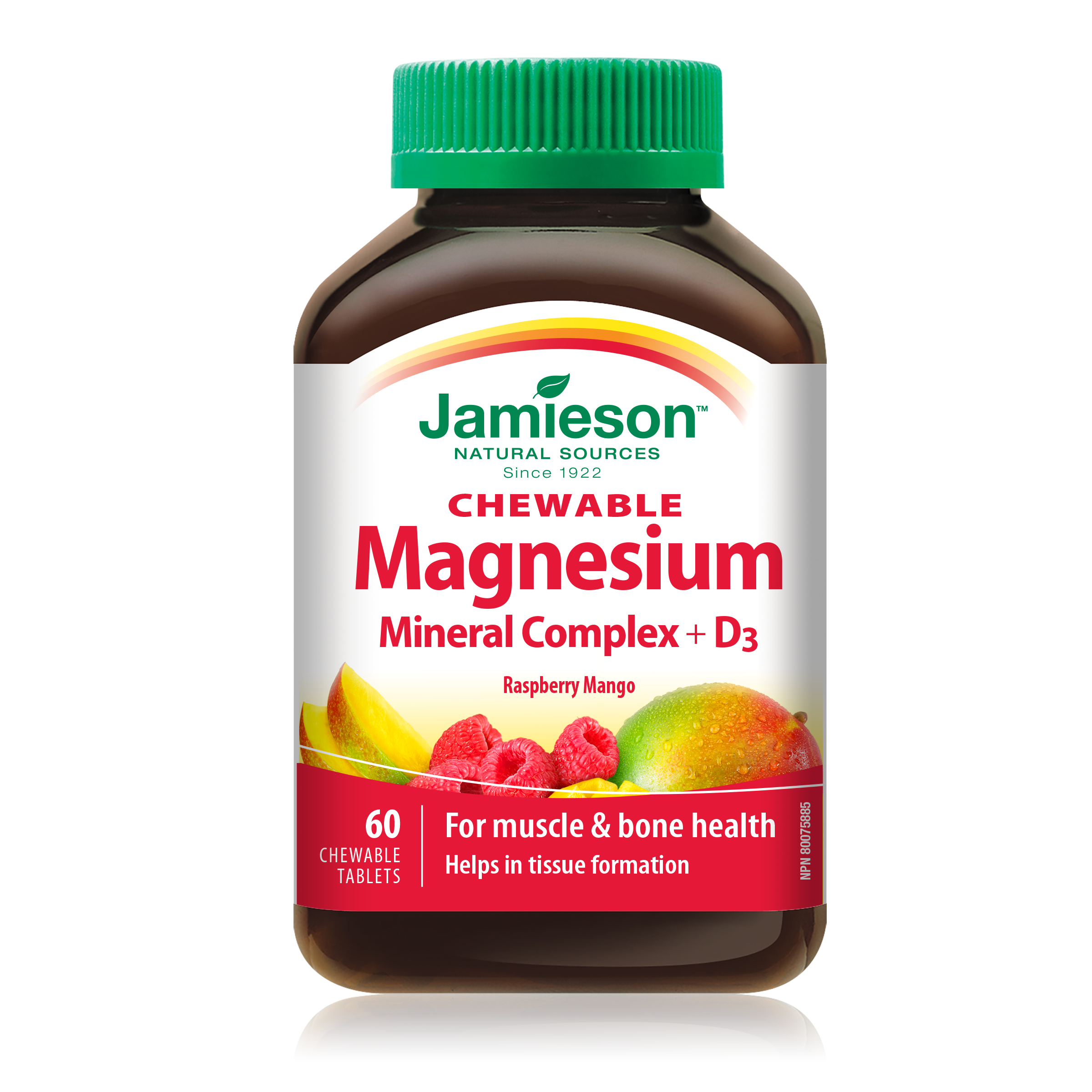
Take 2 tablets (children 8 years and over 1 tablet) a day with meals.Do not exceed recommended daily intake. A daily multivitamin is also recommended.
General guidance based on the ingredients, not a substitute for the label or your doctor.
Price Check
$29.60
Near the median of 798 multivitamins
Track this supplement in your stack
Get personalized insights, interactions, and coverage recommendations.
Get Started FreeSimilar Supplements
Sources & Scoring
Nutrient data (RDA, UL, and safety thresholds) sourced from the NIH Office of Dietary Supplements and the National Academies Dietary Reference Intakes (DRI).
This is not medical advice. Consult a healthcare provider before making changes to your supplement routine.
The score analyzes what's on the label: ingredient doses vs. studied ranges, chemical forms, evidence levels, and known interactions. It does not verify label accuracy or test for contaminants — for that, look for third-party certifications like USP or NSF.