BioStacks
Best for
Ingredients (5)
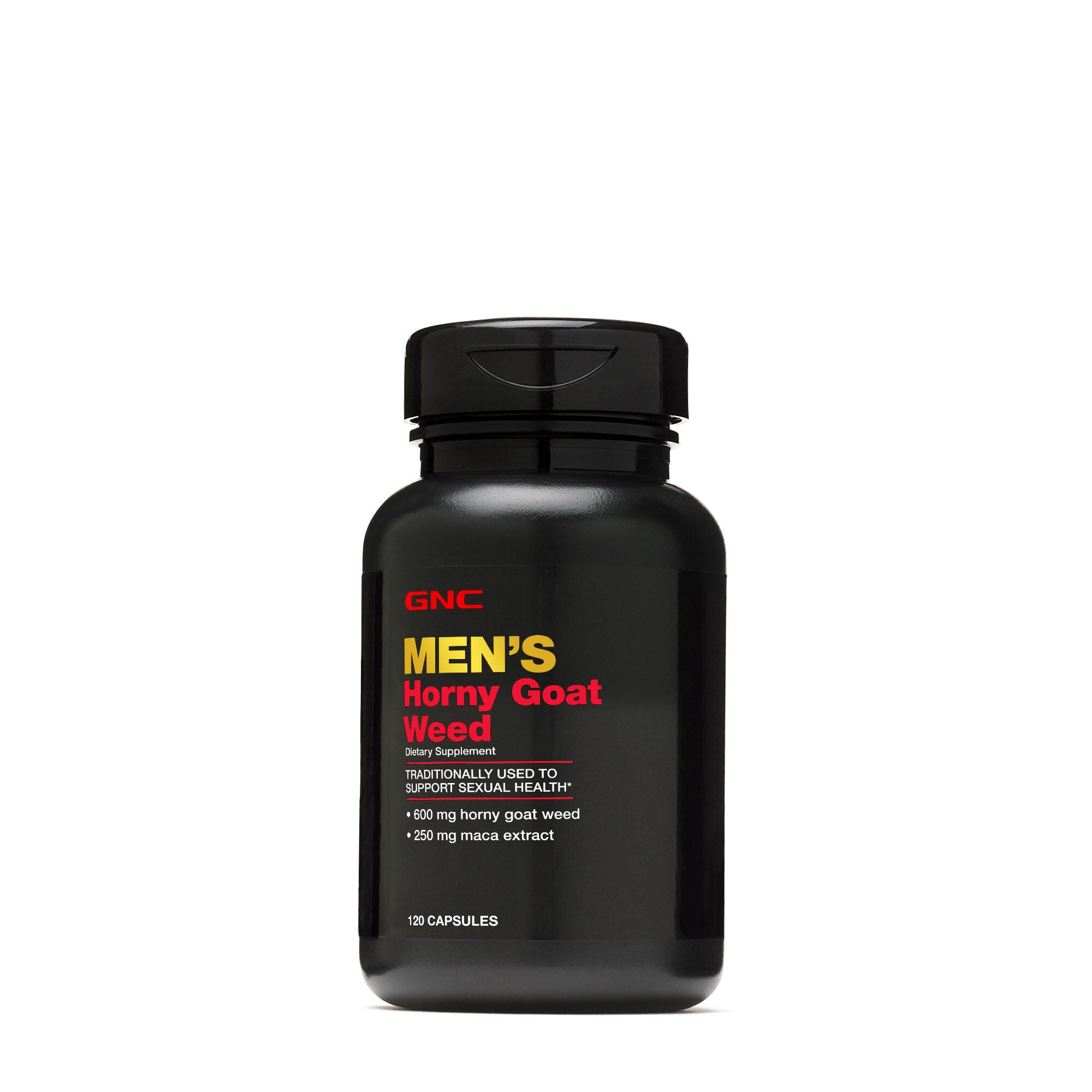
Horny Goat Weed
100%Dose
7500 mg
Target
250–1000 mg
Form
—
Tribulus Terrestris
100%Dose
2000 mg
Target
250–1500 mg
Form
—
Yohimbe
100%Dose
200 mg
Target
5–20 mg
Form
—
Maca
40%Dose
600 mg
Target
1500–3000 mg
Form
—
L-Arginine HCl
2%Dose
40 mg
Target
2000–6000 mg
Form
—
Other Ingredients (4)
Rice FlourFiller
Rice-based ingredients carry risk of inorganic arsenic contamination (FDA and Consumer Reports). Rice accumulates arsenic from soil at higher rates than other grains. Used as a cheap filler — adds nothing beneficial.
Rice ConcentrateAnti-caking
A rice-derived blend used as a natural flow agent and anti-caking aid
Rice FiberFiller
Insoluble dietary fiber isolated from rice, used as a plant-based bulking agent and flow/anti-caking aid.
Capsule ShellCapsule
Generic capsule shell where the label does not specify the material. Common materials are hypromellose (HPMC) for vegetarian capsules and gelatin for traditional capsules — both are GRAS-listed and safe. Fish gelatin and pullulan variants also exist.
How to Take It
Best taken in the morning
Strongly stimulating, and a common cause of anxiety and raised heart rate — morning only, and not at all if you're sensitive.
On an empty stomach
On the label
For adults, take two (2) vegetarian capsules daily, preferably with a meal.
Labels usually say “with food” because it's gentler on the stomach, not because it absorbs better. Fasted absorbs more — start there, and switch to a light meal if it bothers you.
General guidance based on the ingredients, not a substitute for the label or your doctor.
Price Check
$17.98
Near the median of 15 horny goat weed supplements
Track this supplement in your stack
Get personalized insights, interactions, and coverage recommendations.
Get Started FreeSimilar Supplements
Sources & Scoring
Nutrient data (RDA, UL, and safety thresholds) sourced from the NIH Office of Dietary Supplements and the National Academies Dietary Reference Intakes (DRI).
This is not medical advice. Consult a healthcare provider before making changes to your supplement routine.
The score analyzes what's on the label: ingredient doses vs. studied ranges, chemical forms, evidence levels, and known interactions. It does not verify label accuracy or test for contaminants — for that, look for third-party certifications like USP or NSF.