BioStacksAsk AI about this product
What it does
A combination of 2 label ingredients.
Sodium
Form not confirmedGrade —
Supports normal fluid balance and muscle and nerve function; extra sodium is not universally beneficial.
Vitamin C
Mixed formsGrade —
Supports normal collagen production and immune function, and helps the body absorb iron from plant foods.
Ingredients (1)
Children's product — scores and dose assessments use adult reference ranges. Actual adequacy may differ for children.
Nutrition
Calories, macros & sodium.
- Sodium40 mg
Other ingredients
SorbitolSweetener
A FODMAP sugar alcohol that may trigger GI discomfort (bloating, gas) in individuals with IBS or sorbitol malabsorption, even at small amounts found in supplements. Avoided in low-FODMAP diets.
XylitolSweetener
A FODMAP sugar alcohol that can cause GI distress (bloating, gas, diarrhea) at moderate doses (>10-20g/day), though supplement amounts are typically small. Extremely toxic to dogs — households with pets should store securely.
Fruit Juice (unspecified)Colorant
Juice or juice concentrate used primarily for natural color and flavor in gummies
Natural FlavorsFlavor
Broad regulatory category of flavor constituents derived from natural sources. Composition is proprietary and not disclosed — 'Natural Flavors' can include several hundred different compounds depending on the target flavor profile, including hexane-extracted constituents and proprietary carrier solvents. 'Natural' is a regulatory definition (21 CFR §101.22), not a safety guarantee.
Paprika OleoresinColorant
Natural orange-red colorant extracted from sweet red peppers (Capsicum annuum); the pigments are capsanthin and capsorubin
Turmeric ColorColorant
Natural yellow colorant from the rhizome of Curcuma longa; the pigment is curcumin
Ascorbyl PalmitateAntioxidant
Fat-soluble form of vitamin C used as preservative
Black CarrotColorant
Natural colorant derived from anthocyanin-rich black carrots, used to provide purple/red color in gummies and chewables
Lab testing
How to take it
With or without food
On the label
As a dietary supplement, take one Tablet daily, or as directed by a healthcare practitioner.
Price check
$24.95
$0.21 / serving
Pricier than 72% of 375 vitamin C supplements
Similar products
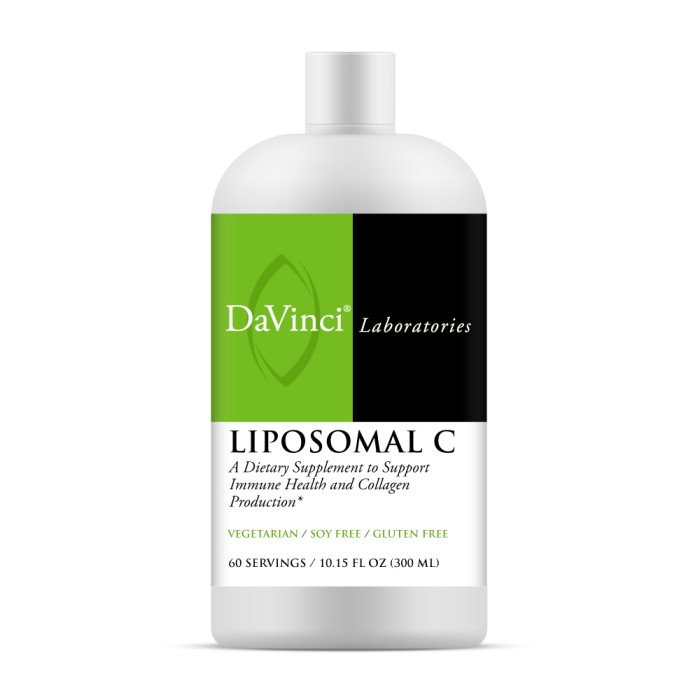
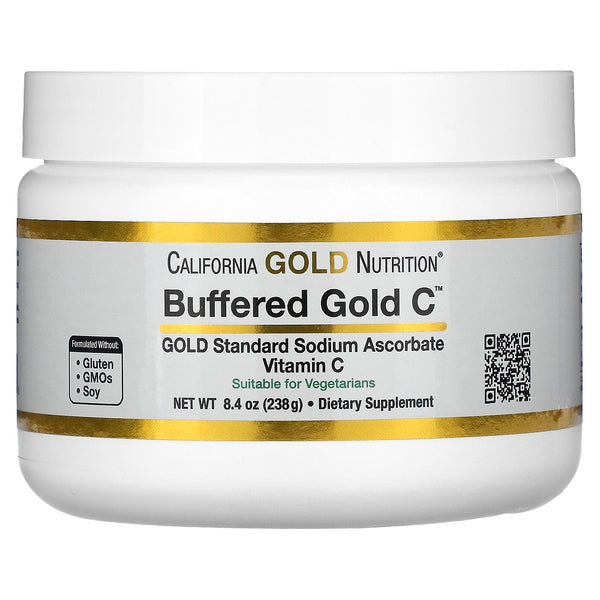
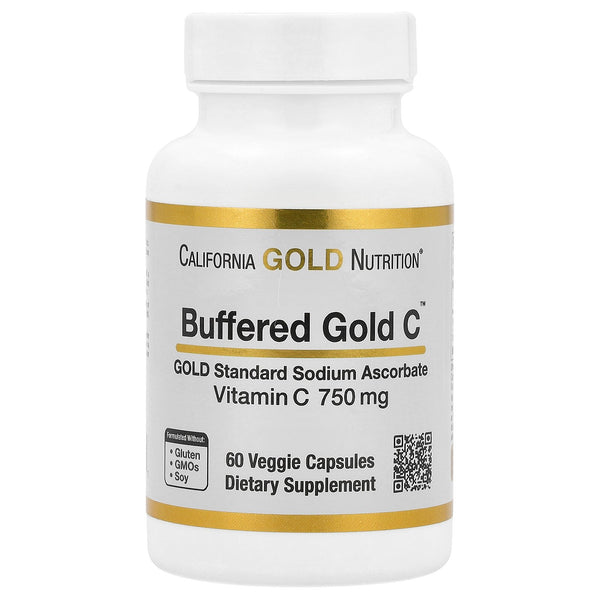
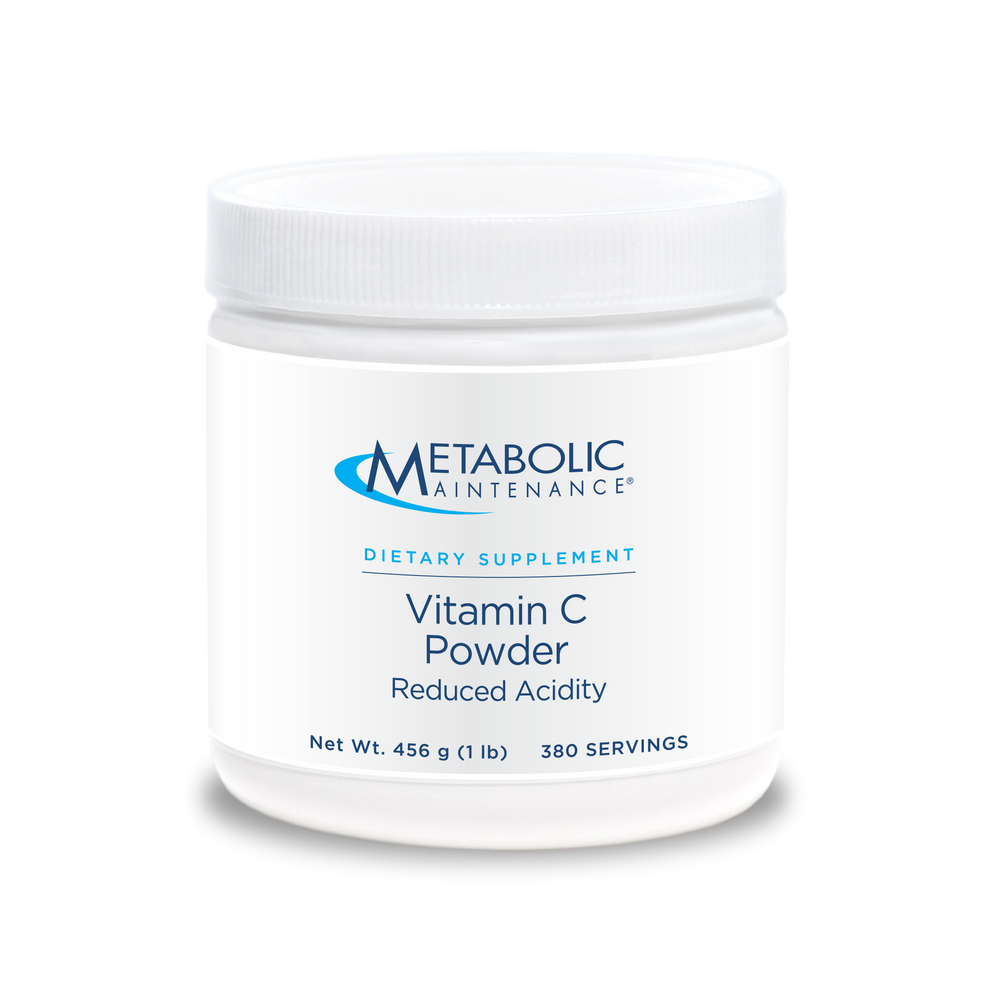
Sources & Scoring
Nutrient data (RDA, UL, and safety thresholds) sourced from the NIH Office of Dietary Supplements and the National Academies Dietary Reference Intakes (DRI).
This is not medical advice. Consult a healthcare provider before making changes to your supplement routine.
The score analyzes what's on the label: ingredient doses vs. studied ranges, chemical forms, evidence levels, and known interactions. It does not verify label accuracy or test for contaminants — for that, look for third-party certifications like USP or NSF.
Not medical advice. Consult your healthcare professional.