BioStacks
Ingredients (6)
Potassium
96%Dose
95 mg
Target
99–500 mg
Form
Standard
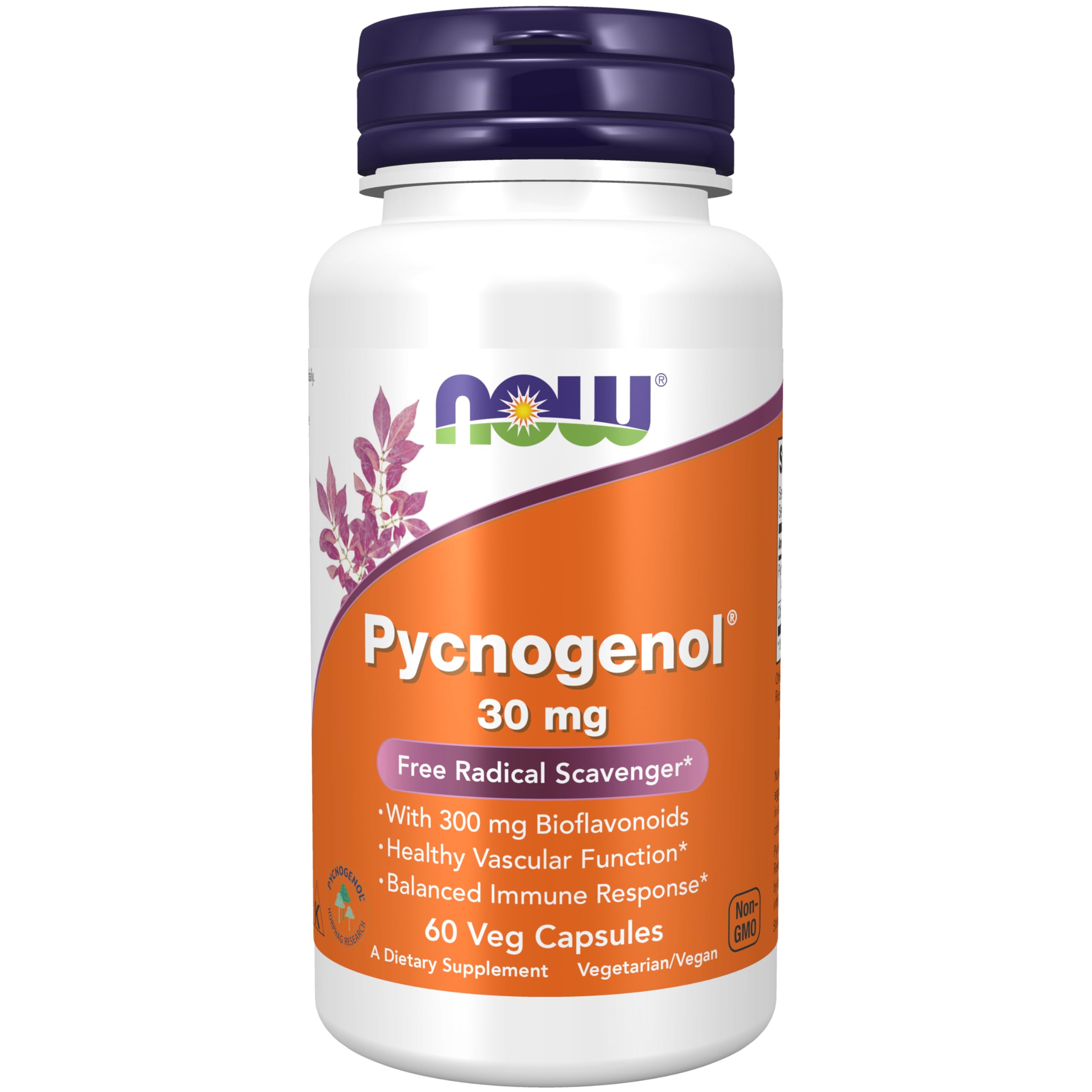
Pine Bark Extract
50%Dose
25 mg
Target
50–200 mg
Form
—
Bilberry Extract
31%Dose
25 mg
Target
80–500 mg
Form
—
Grape Seed Extract
17%Dose
25 mg
Target
150–600 mg
Form
—
Red Wine Extract
10%Dose
25 mg
Target
250–500 mg
Form
—
Other Ingredients (9)
FructoseSweetener
Added free fructose is metabolized in the liver and at habitual intake is linked to elevated triglycerides, hepatic fat accumulation, and insulin resistance; an avoidable sugar load with no supplement benefit.
Glucose SyrupSweetener
High glycemic load; source typically corn (generally gluten-free)
MaltodextrinBinder
Spikes blood sugar faster than table sugar (glycemic index 85–105). Research links it to gut bacteria changes that may promote intestinal inflammation (Nickerson et al. 2015). Used as a cheap filler — adds nothing beneficial.
Silicon DioxideAnti-caking
Fine silica powder used to prevent clumping
PectinGelling Agent
Plant polysaccharide from citrus peels or apple pomace used to gel pectin-based gummies
Calcium CarbonateBuffer
Common calcium salt used as a buffering agent, filler, or mineral fortification in supplements
Citric AcidAcidulant
Natural acid derived from citrus fruits
StarchBinder
Carbohydrate polymer used as a binder, filler, and disintegrant in tablets and capsules
How to Take It
Take it anytime
Take with food — potassium salts on an empty stomach commonly cause nausea.
With food
On the label
As a health supplement take once daily or as directed by your healthcare provider.
General guidance based on the ingredients, not a substitute for the label or your doctor.
Price Check
$72.12
Pricier than 97% of 41 grape seed extract supplements
Track this supplement in your stack
Get personalized insights, interactions, and coverage recommendations.
Get Started FreeSimilar Supplements
Sources & Scoring
Nutrient data (RDA, UL, and safety thresholds) sourced from the NIH Office of Dietary Supplements and the National Academies Dietary Reference Intakes (DRI).
This is not medical advice. Consult a healthcare provider before making changes to your supplement routine.
The score analyzes what's on the label: ingredient doses vs. studied ranges, chemical forms, evidence levels, and known interactions. It does not verify label accuracy or test for contaminants — for that, look for third-party certifications like USP or NSF.