BioStacks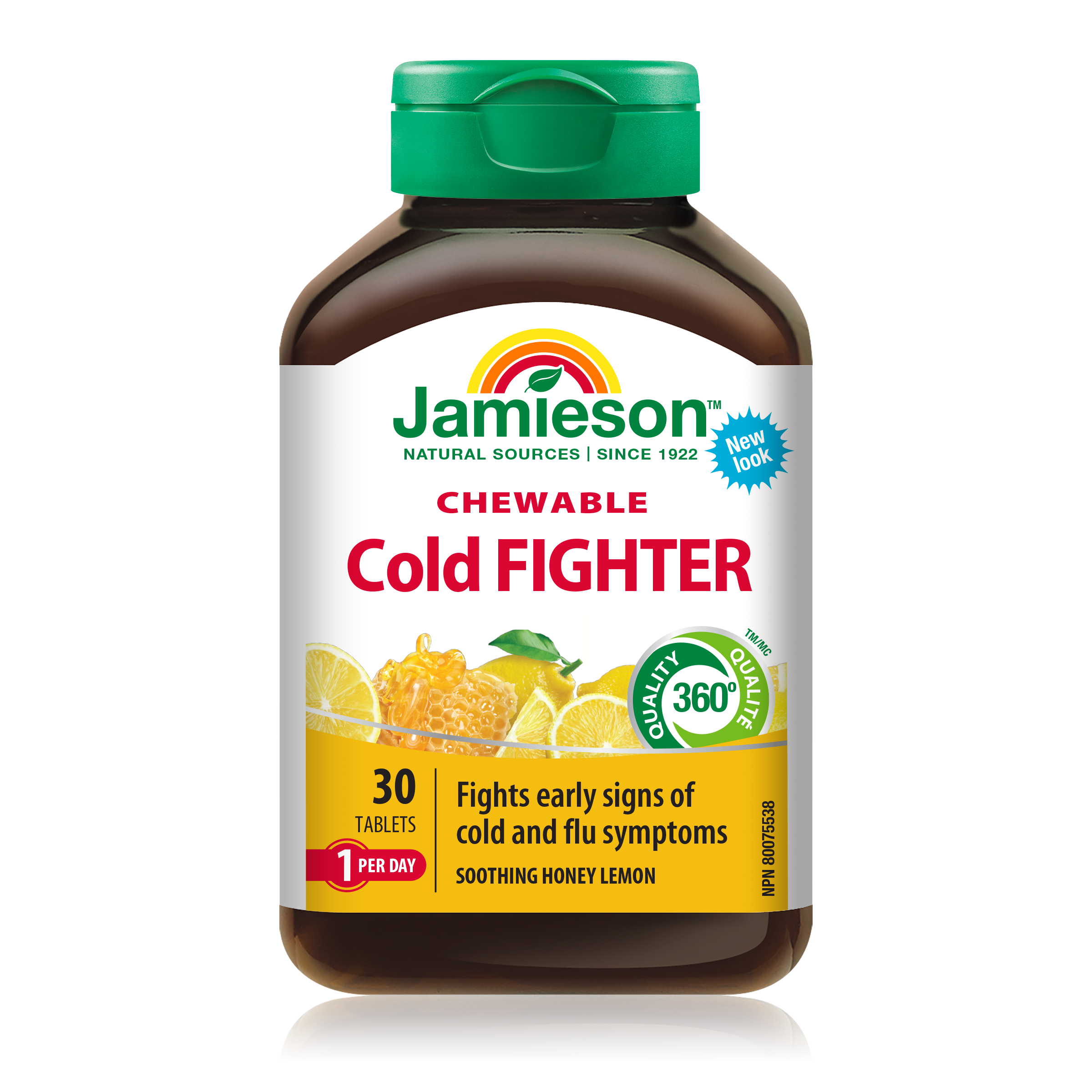
Best for
Ingredients (4)
Echinacea (10:1) extract
83%Dose
250 mg
Target
300–1500 mg
Form
—
Vitamin C
36%Dose
90 mg
Target
250–2000 mg
Form
Budget
Zinc
33%Dose
5 mg
Target
15–30 mg
Form
Not listed
Ginger (17:1) extract
7%Dose
18 mg
Target
250–1000 mg
Form
—
Other Ingredients (6)
CarobFlavor
Roasted powder from carob tree pods, used as a caffeine-free chocolate/cocoa substitute for flavor and brown color
GelatinCapsule
Protein derived from collagen, used in traditional capsule shells
GlycerinHumectant
Sweet-tasting liquid used in soft capsules and liquids
GlycerinHumectant
Sweet-tasting liquid used in soft capsules and liquids
Vegetable OilCarrier
Edible oils used as carriers in softgels and as processing aids
Glyceryl palmitostearate
Not reviewed yet
How to Take It
Take it anytime
Take it with food — the zinc in it is what makes this kind of product feel nauseating on an empty stomach.
With food
Space it a couple of hours from Iron and Calcium
On the label
Adults: Take 1 softgel daily with a meal. Take at the first sign of a cold or flu and a few hours before or after taking other medications. Consult a healthcare practitioner for use beyond 2 months
General guidance based on the ingredients, not a substitute for the label or your doctor.
Price Check
C$20.99≈ $15.32
Cheaper than 82% of 292 immune supplements
Track this supplement in your stack
Get personalized insights, interactions, and coverage recommendations.
Get Started FreeSimilar Supplements
Jamieson
Cold Fighter | Chewable
🛡️ for Immune
16
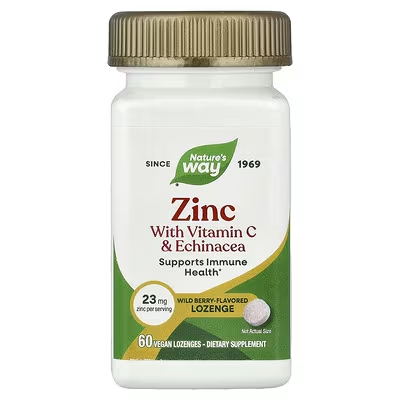
Nature's Way
Nature's Way Zinc Lozenges with Vitamin C & Echinacea, Wild Berry Flavored, 60 Vegan Lozenges
🛡️ for Immune
44
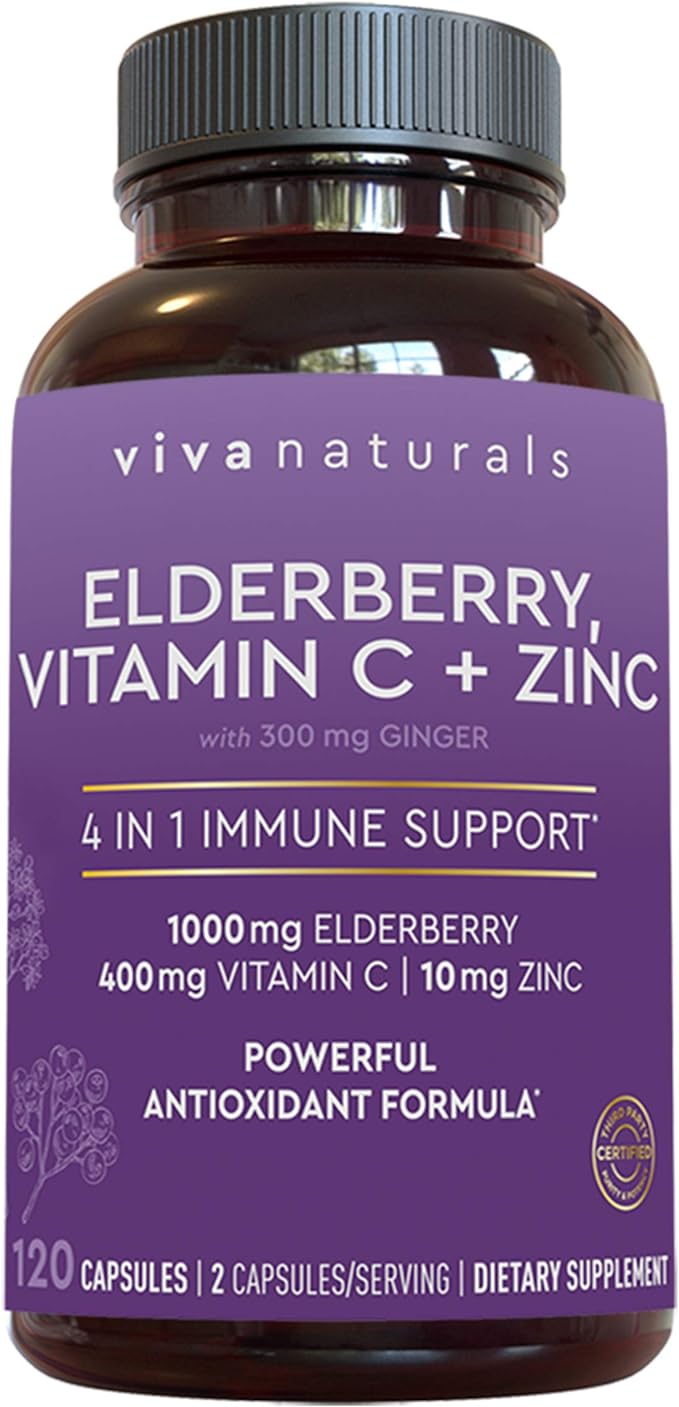
Viva Naturals
Elderberry, Vitamin C + Zinc
🛡️ for Immune
61
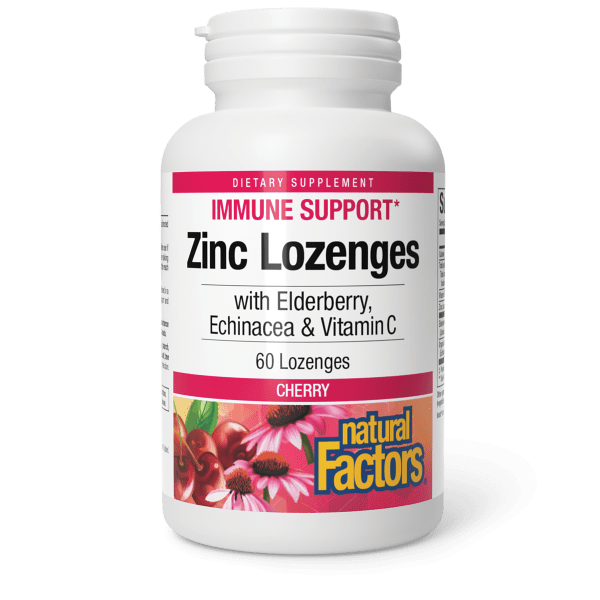
Natural Factors
Zinc Lozenges
🛡️ for Immune
58
BioTrust
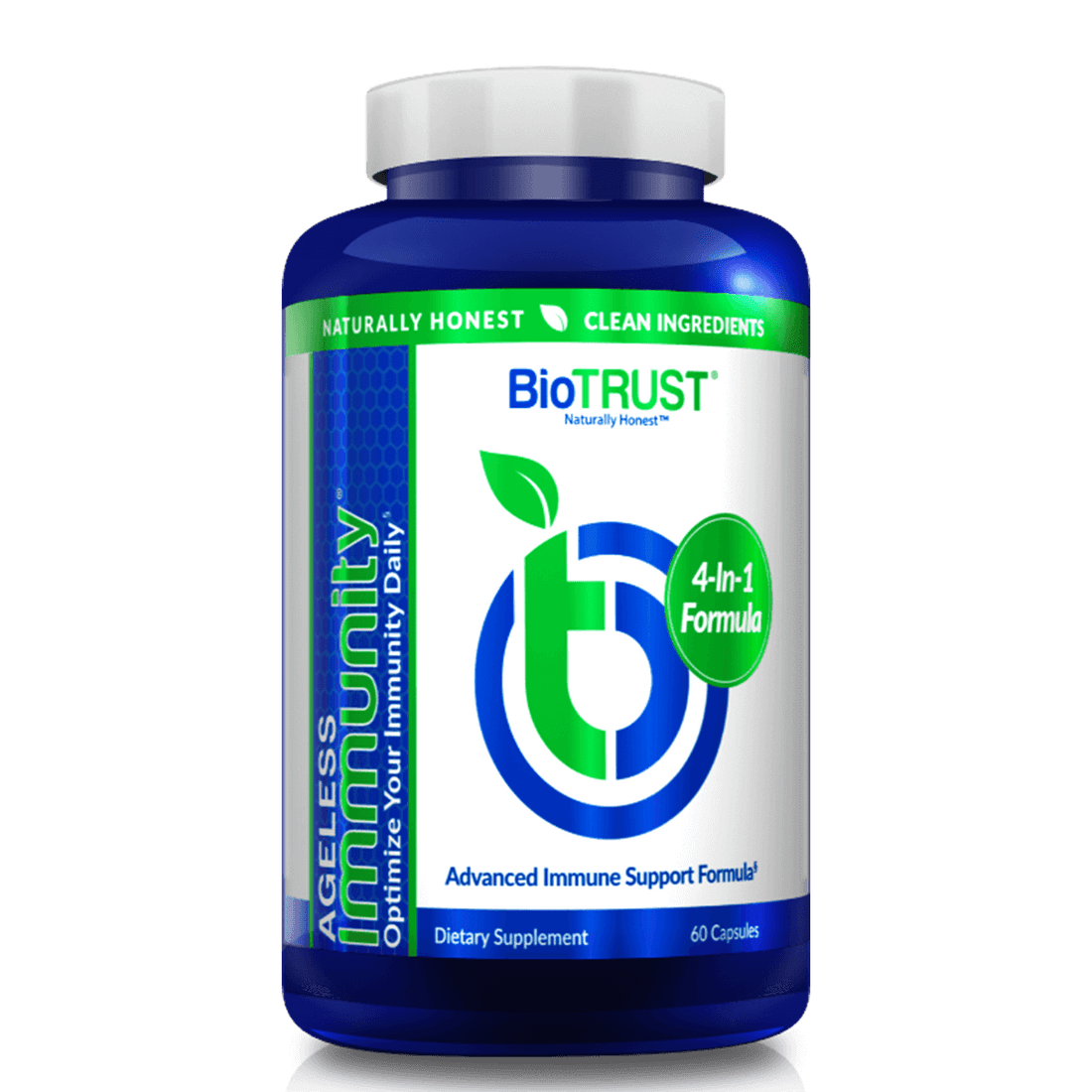
Ageless Immunity® 4-in-1 Immune Support Supplement
🛡️ for Immune
42
Sources & Scoring
Nutrient data (RDA, UL, and safety thresholds) sourced from the NIH Office of Dietary Supplements and the National Academies Dietary Reference Intakes (DRI).
This is not medical advice. Consult a healthcare provider before making changes to your supplement routine.
The score analyzes what's on the label: ingredient doses vs. studied ranges, chemical forms, evidence levels, and known interactions. It does not verify label accuracy or test for contaminants — for that, look for third-party certifications like USP or NSF.