BioStacks
Best for
Ingredients (1)
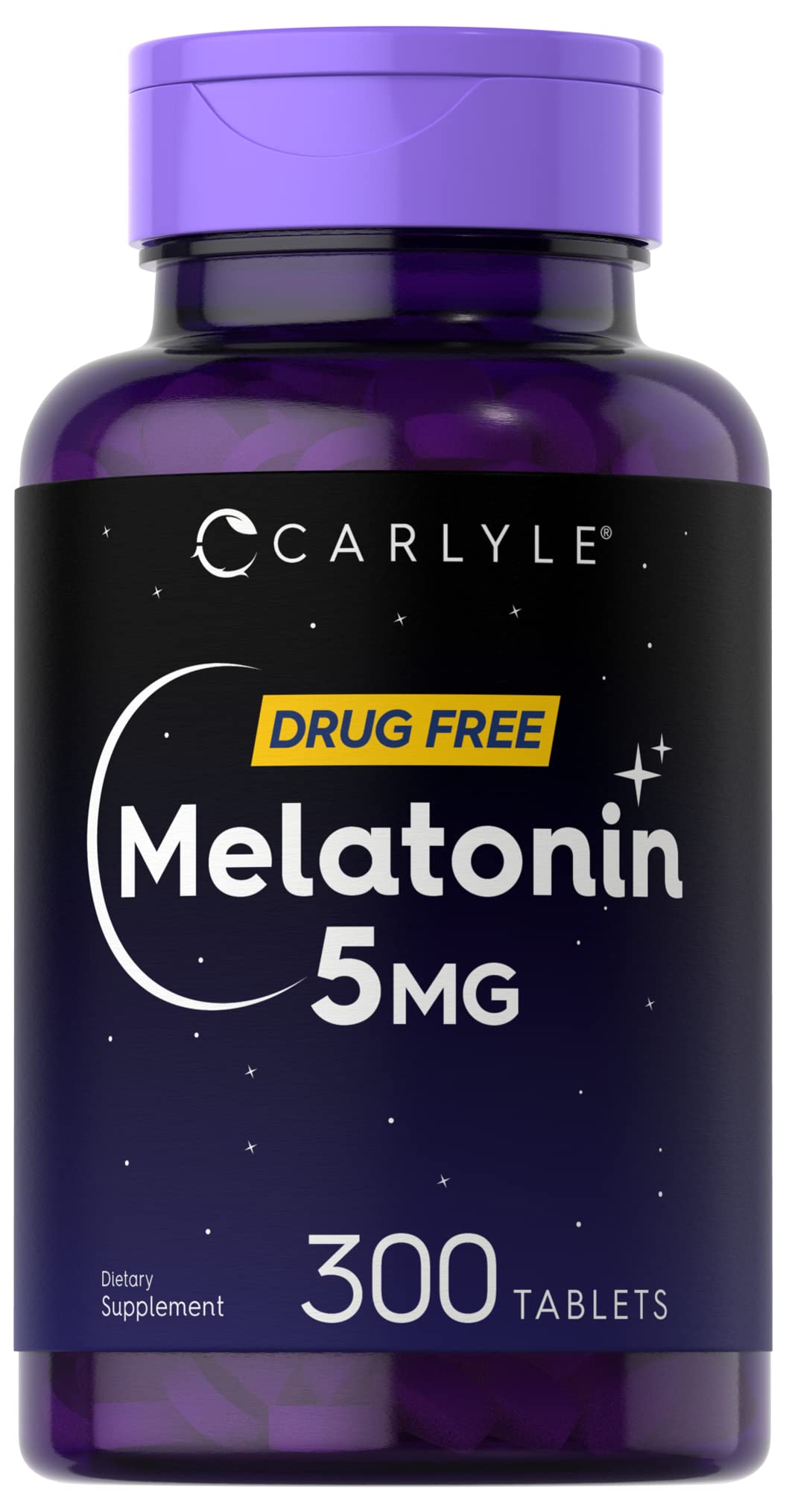
Melatonin
100%Dose
1 mg
Target
0.5–5 mg
Form
—
Other Ingredients (7)
IsomaltSweetener
A poorly-absorbed sugar alcohol that can cause bloating, gas, and laxative effects at higher doses (EFSA notes laxative threshold for polyols). Tolerable for most, but cumulative across products.
MannitolSweetener
A FODMAP sugar alcohol that can cause GI distress (bloating, gas, diarrhea) at higher doses. Supplement amounts are typically small, but individuals with IBS or sugar alcohol sensitivity may react even at low doses.
Silicon DioxideAnti-caking
Fine silica powder used to prevent clumping
Sodium SulfateProcessing Aid
An inert inorganic salt used as a diluent and processing aid.
Magnesium StearateLubricant
A salt of stearic acid used as a lubricant in tablet and capsule production
Calcium SilicateAnti-caking
Inorganic compound used as an anti-caking and flow agent in powdered supplements
CrospovidoneDisintegrant
Cross-linked synthetic polymer used as a tablet disintegrant to help tablets break apart quickly in the stomach
How to Take It
Best taken in the evening
Take 30–60 minutes before bed. It's a circadian signal, not a daytime supplement.
With or without food
On the label
Adults: Take 1 tablet at or before bedtime. Do not drive or use machinery for 5 hours after taking melatonin. Consult a healthcare practitioner for use beyond 1 month. For jet lag: For occasional short-term use, take once a day at bedtime after darkness has fallen while travelling, and at destination, until adapted to the new daily pattern
General guidance based on the ingredients, not a substitute for the label or your doctor.
Price Check
C$9.99≈ $7.29
Cheaper than 90% of 203 melatonin supplements
Track this supplement in your stack
Get personalized insights, interactions, and coverage recommendations.
Get Started FreeSimilar Supplements
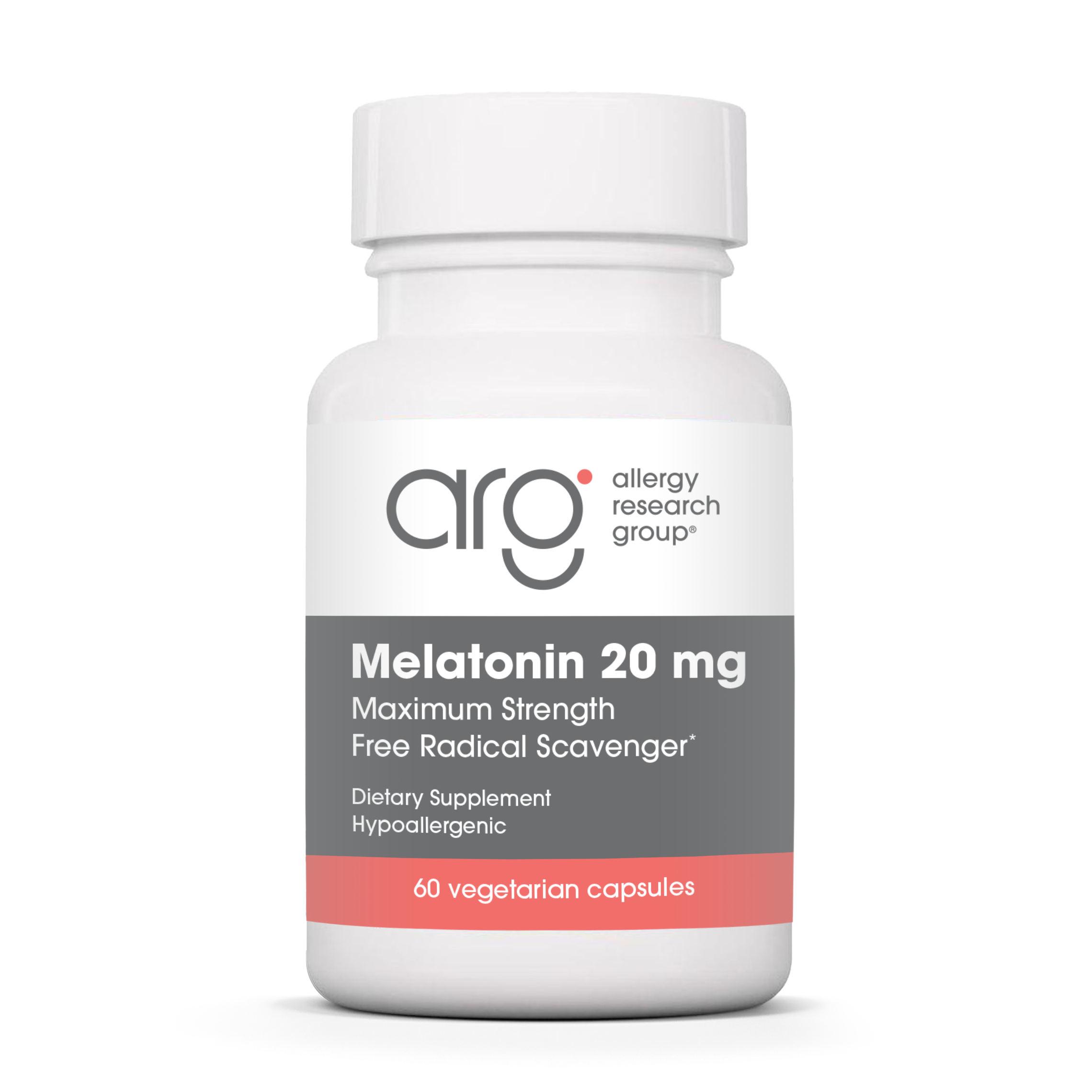
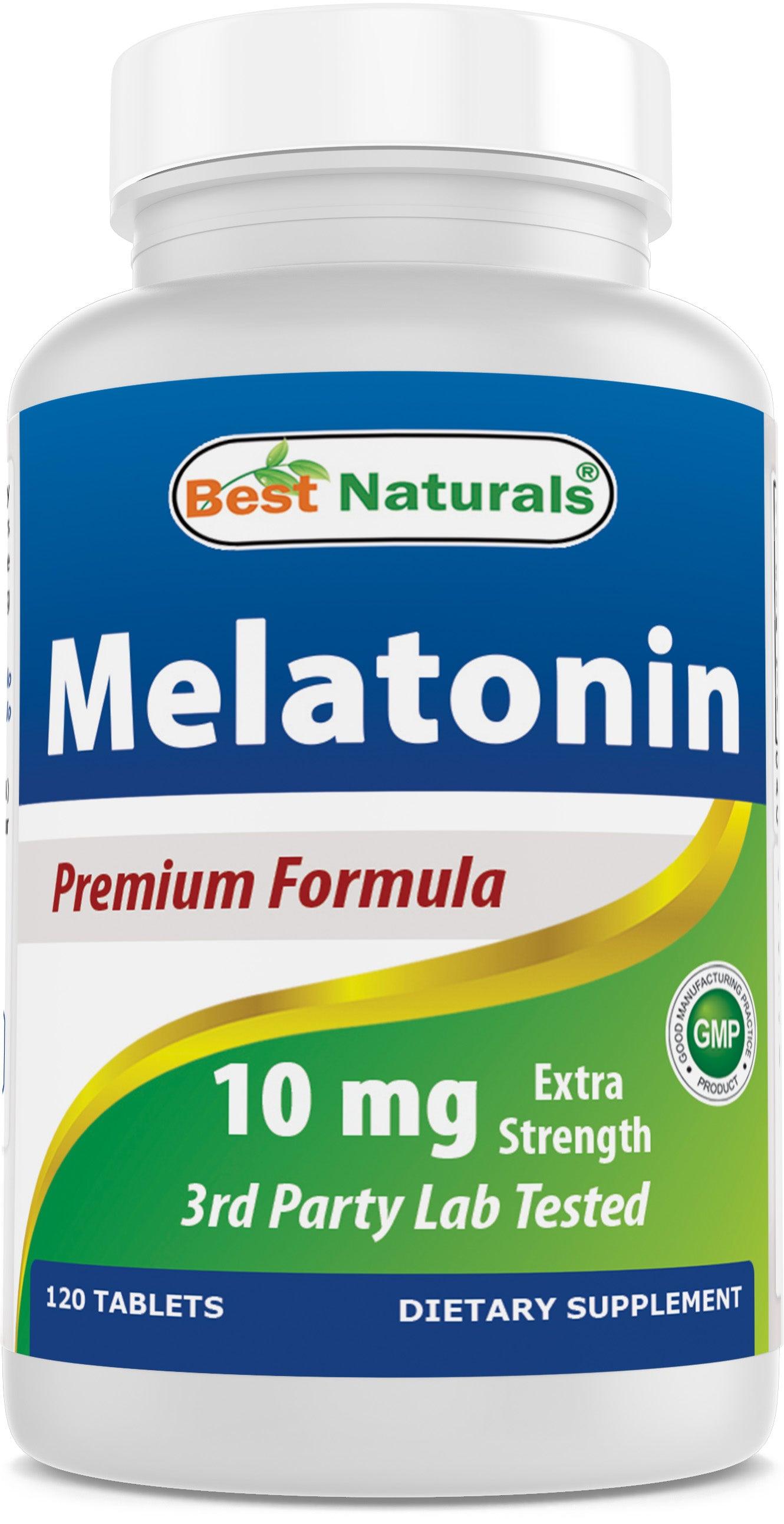
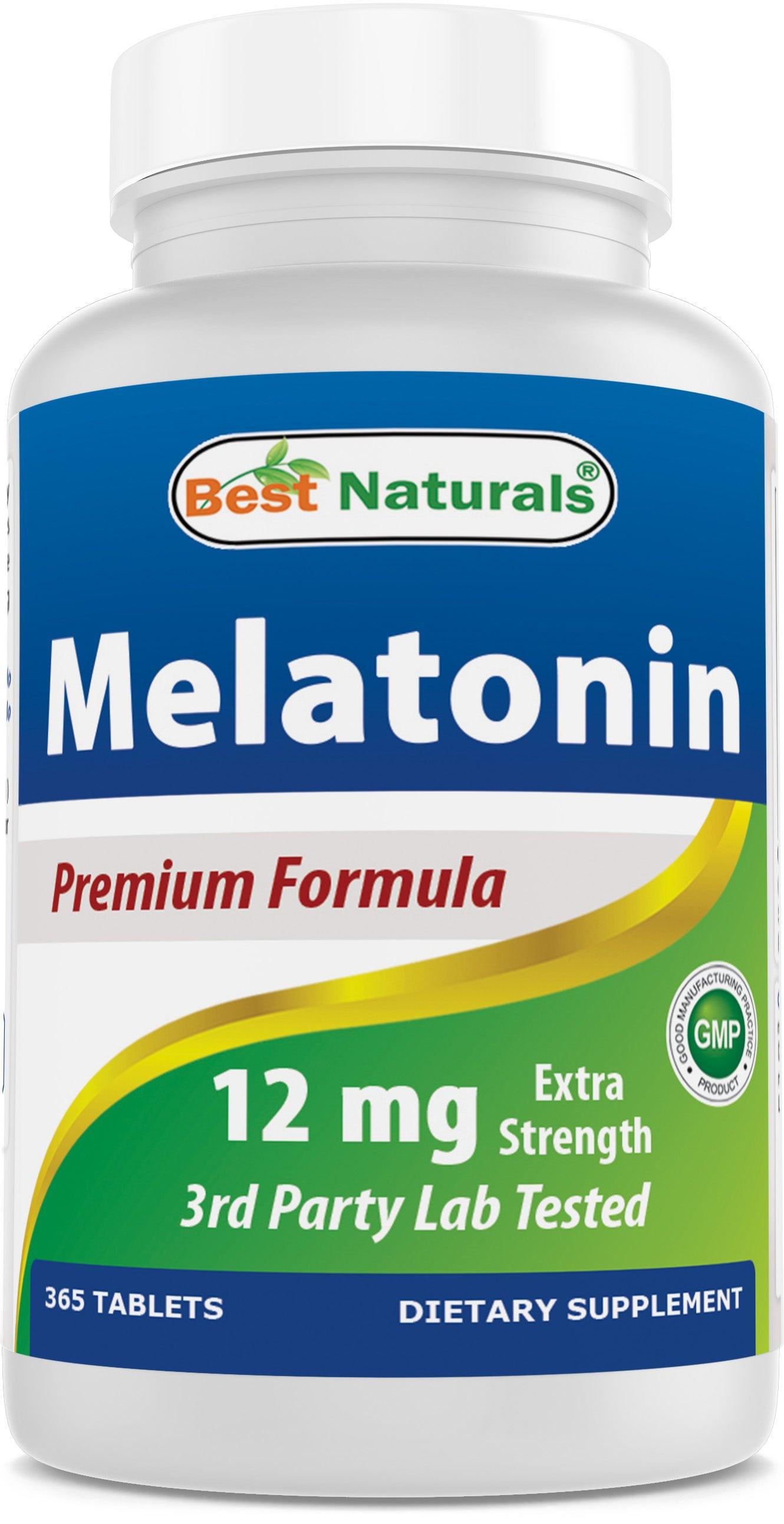
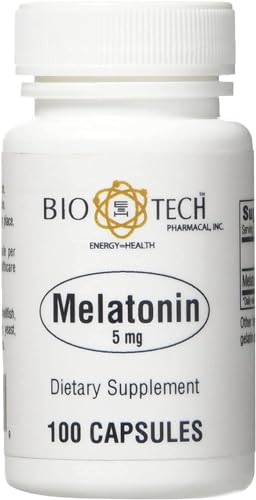
Sources & Scoring
Nutrient data (RDA, UL, and safety thresholds) sourced from the NIH Office of Dietary Supplements and the National Academies Dietary Reference Intakes (DRI).
This is not medical advice. Consult a healthcare provider before making changes to your supplement routine.
The score analyzes what's on the label: ingredient doses vs. studied ranges, chemical forms, evidence levels, and known interactions. It does not verify label accuracy or test for contaminants — for that, look for third-party certifications like USP or NSF.