BioStacks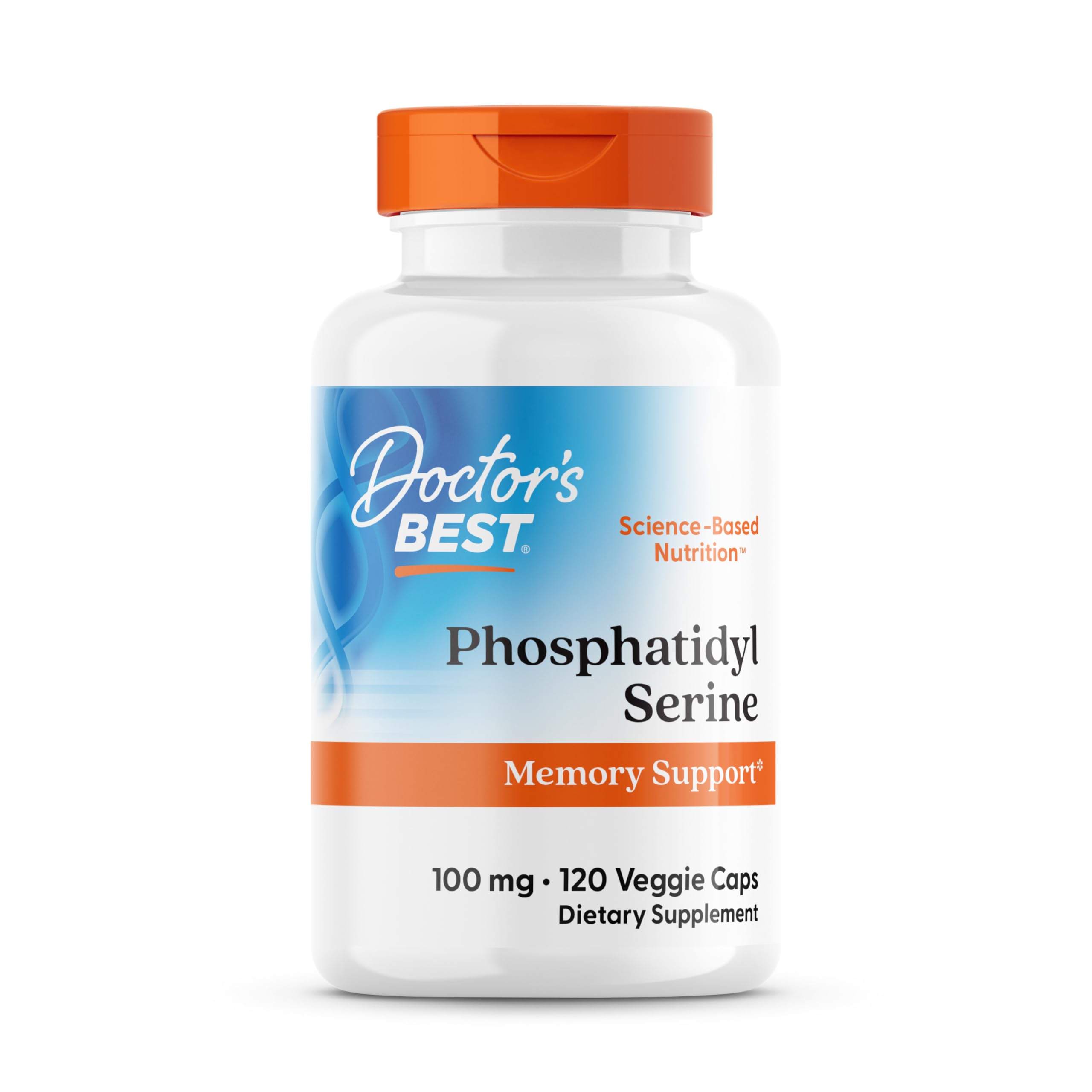
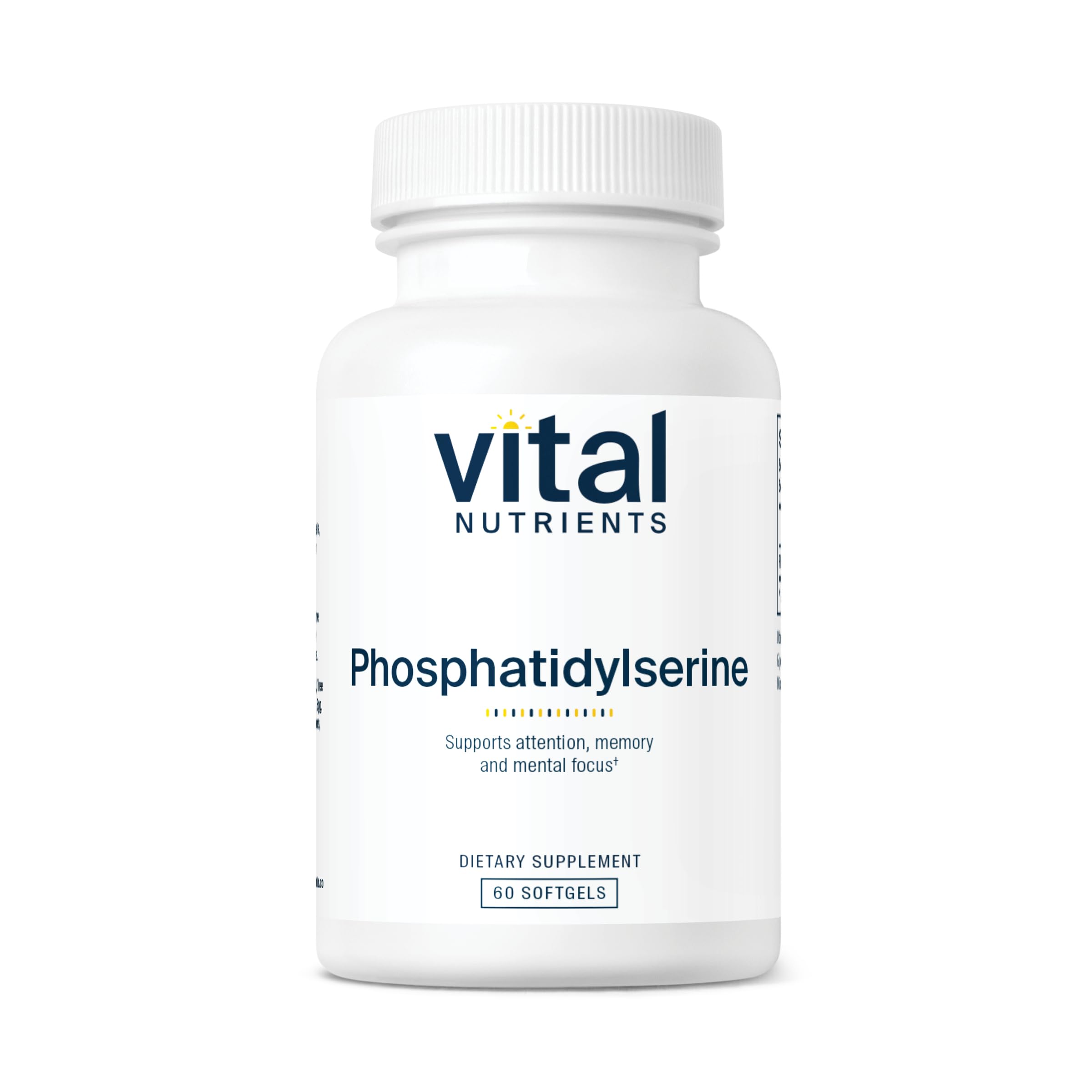
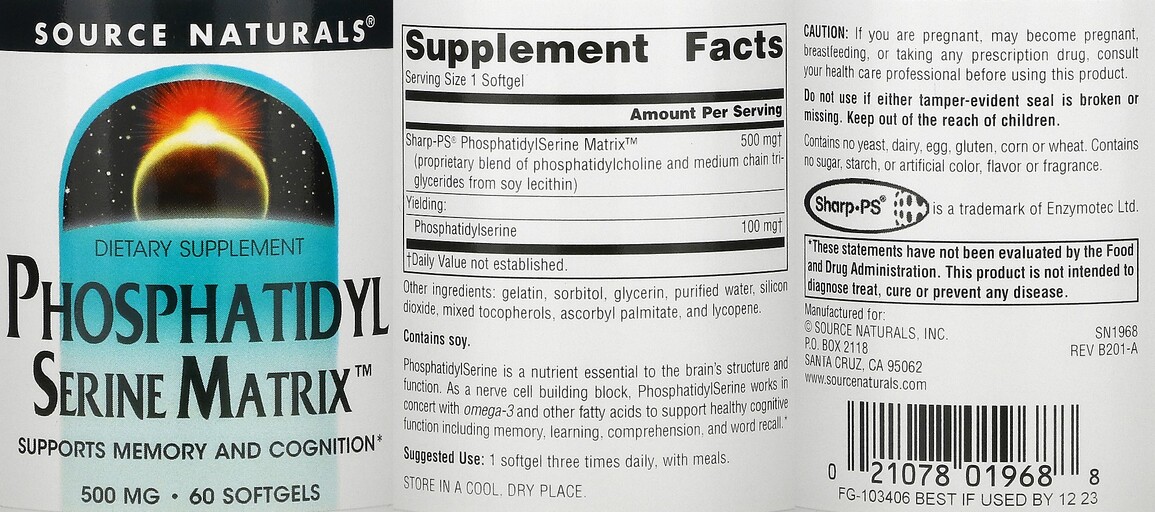
Every active here is dosed below the amount studied to work. See how each one compares in the breakdown below.
Best for
Ingredients (1)
Phosphatidylserine (PS)
33%Dose
100 mg
Target
300–800 mg
Form
Budget
Other Ingredients (6)
Medium Chain Triglyceride OilCarrier
Fractionated oils rich in C8/C10 triglycerides used as neutral carrier or anti-sticking agent
Silicon DioxideAnti-caking
Fine silica powder used to prevent clumping
Ascorbyl PalmitateAntioxidant
Fat-soluble form of vitamin C used as preservative
Mixed TocopherolsAntioxidant
Natural vitamin E used as preservative
SoftgelCapsule
One-piece gelatin capsule shell with a plasticizer (typically glycerin), used to encapsulate liquid or oil-based supplements
Sunflower LecithinEmulsifier
Non-GMO, non-allergenic emulsifier derived from sunflower seeds
How to Take It
Best taken in the evening
Evening use targets nighttime cortisol; fat-soluble, so take with food.
With food
On the label
Adults take 1 softgel up to 3 times per day with a meal, or as directed by your qualified healthcare professional.
General guidance based on the ingredients, not a substitute for the label or your doctor.
Price Check
$52.00
Pricier than 80% of 32 PS supplements
Track this supplement in your stack
Get personalized insights, interactions, and coverage recommendations.
Get Started FreeSimilar Supplements
Doctor's Best
PhosphatidylSerine with SerinAid 100 mg
🧘 for Stress & Mood
77
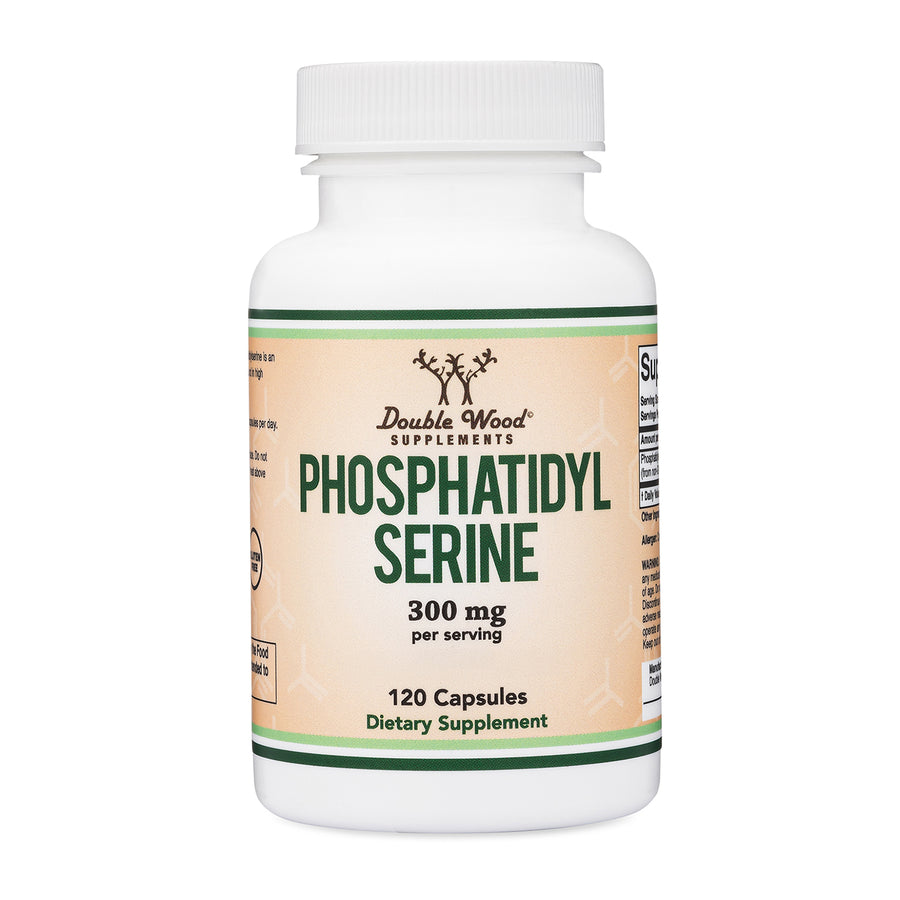
Double Wood Supplements
Phosphatidylserine 300 mg
🧘 for Stress & Mood
77
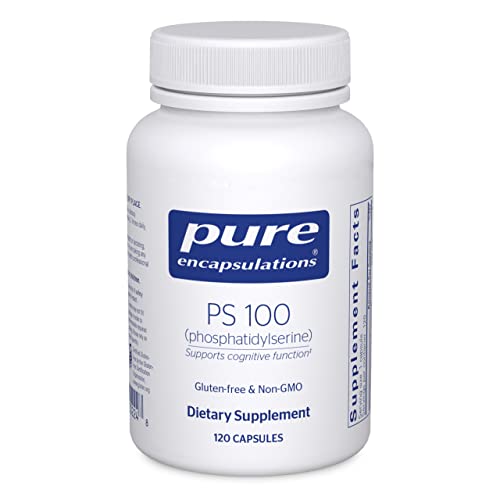
Pure Encapsulations
PS 100 (Phosphatidylserine)
🧘 for Stress & Mood
77
Vital Nutrients
Phosphatidylserine
🧘 for Stress & Mood
77
Source Naturals
Phosphatidyl Serine Matrix 500 mg
🧘 for Stress & Mood
74
Sources & Scoring
Nutrient data (RDA, UL, and safety thresholds) sourced from the NIH Office of Dietary Supplements and the National Academies Dietary Reference Intakes (DRI).
This is not medical advice. Consult a healthcare provider before making changes to your supplement routine.
The score analyzes what's on the label: ingredient doses vs. studied ranges, chemical forms, evidence levels, and known interactions. It does not verify label accuracy or test for contaminants — for that, look for third-party certifications like USP or NSF.