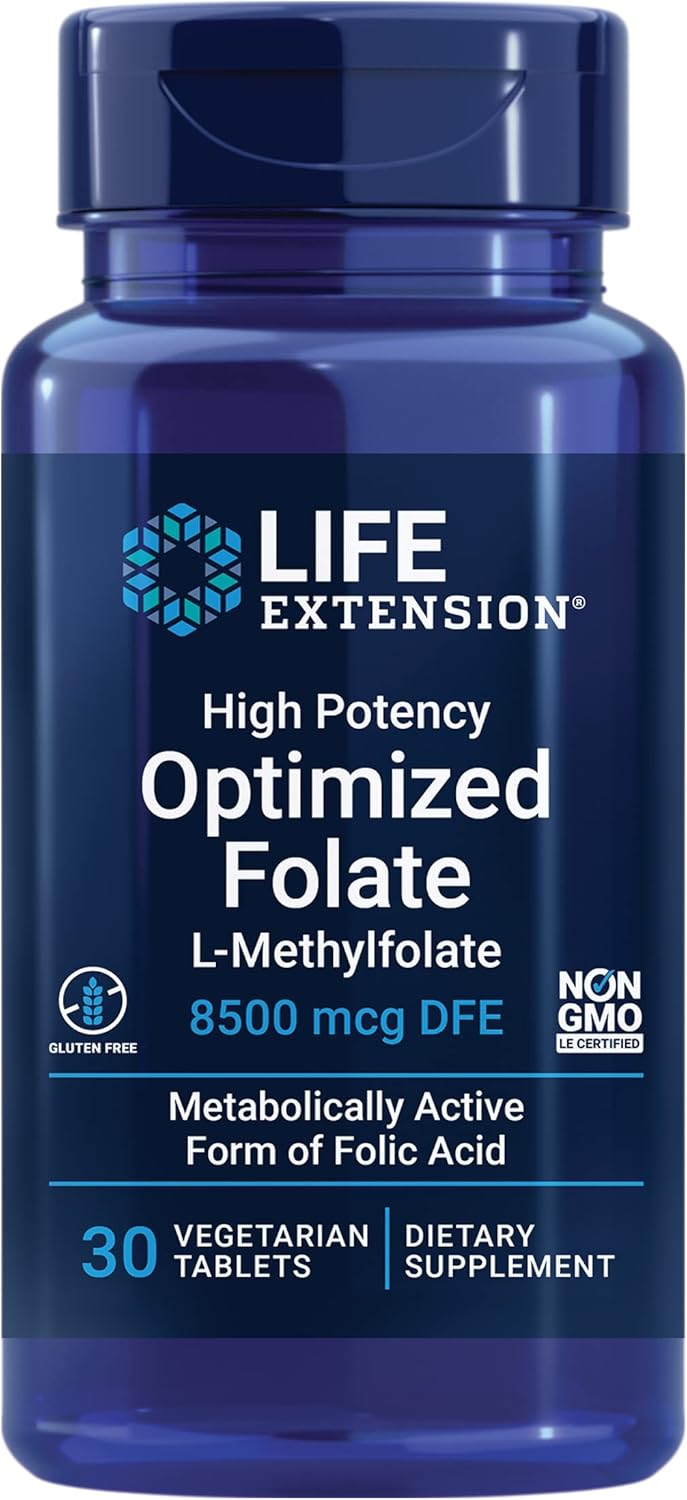
Your body needs folate for DNA synthesis, cell division, and healthy methylation — and this delivers it in the most usable form. **Methylfolate** ((6S)-5-MTHF, Quatrefolic) at 680mcg DFE bypasses the multi-step conversion that synthetic folic acid requires, which matters especially if you have MTHFR gene variants that slow that conversion.
The 680mcg DFE dose (equivalent to 400mcg of methylfolate) sits right in the clinical range of 400–800mcg. It covers the RDA of 400mcg and gives you meaningful support for energy metabolism and prenatal health. The Quatrefolic branded form is one of the most bioavailable methylfolate sources available.
If you're looking for higher-dose folate support — for example during pregnancy planning, where 800mcg+ is often recommended — you'd need to double up on capsules or choose a higher-strength product. For general daily folate needs, this dose is well-matched.
BioStacksAsk AI about this product 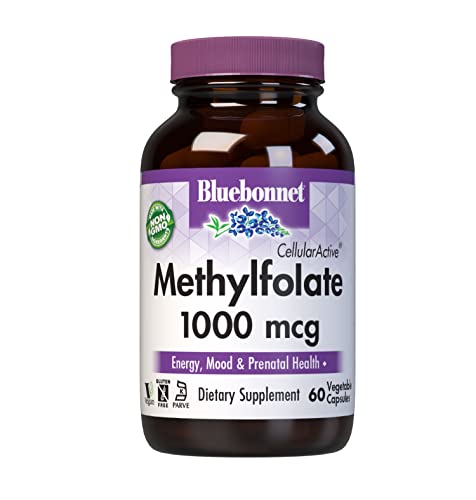
What it does
Vitamin B9
5-mthfPremium
Supports DNA production, normal cell division and red blood cell formation.
Ingredients (1)
Other ingredients
Magnesium StearateLubricant
A salt of stearic acid used as a lubricant in tablet and capsule production
Microcrystalline CelluloseBinder
Plant-derived cellulose used as a binder and filler in supplements
Lab testing
How to take it
With or without food
On the label
Adults take 1 capsule once a day with or without food or as directed by your qualified healthcare professional.
Price check
$10.08
Cheaper than 75% of 138 vitamin B9 supplements
Similar products
Bluebonnet
CellularActive Methylfolate 1000 mcg
🤰 for Pregnancy
100
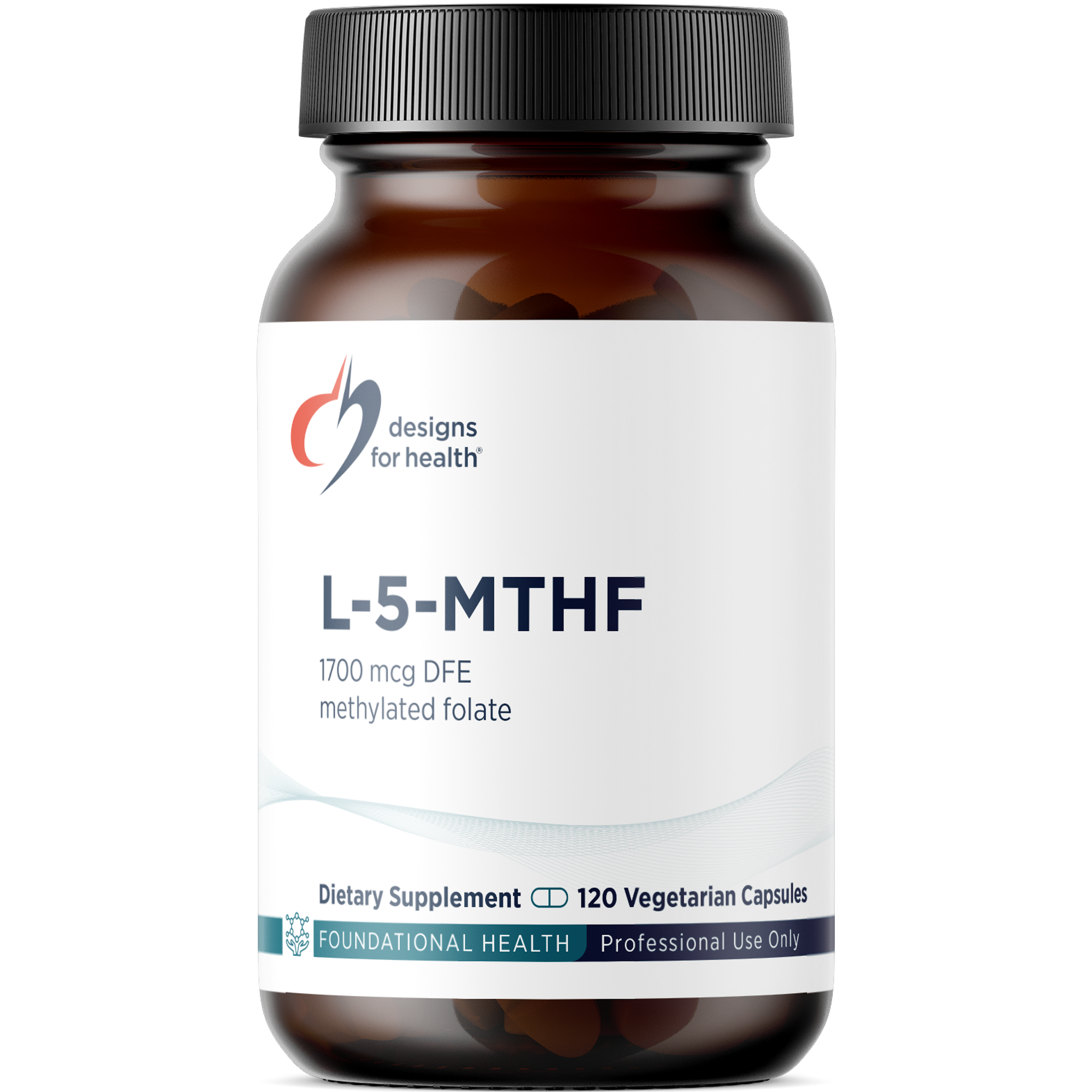
Designs for Health
L-5-MTHF 1700 mcg
🤰 for Pregnancy
100
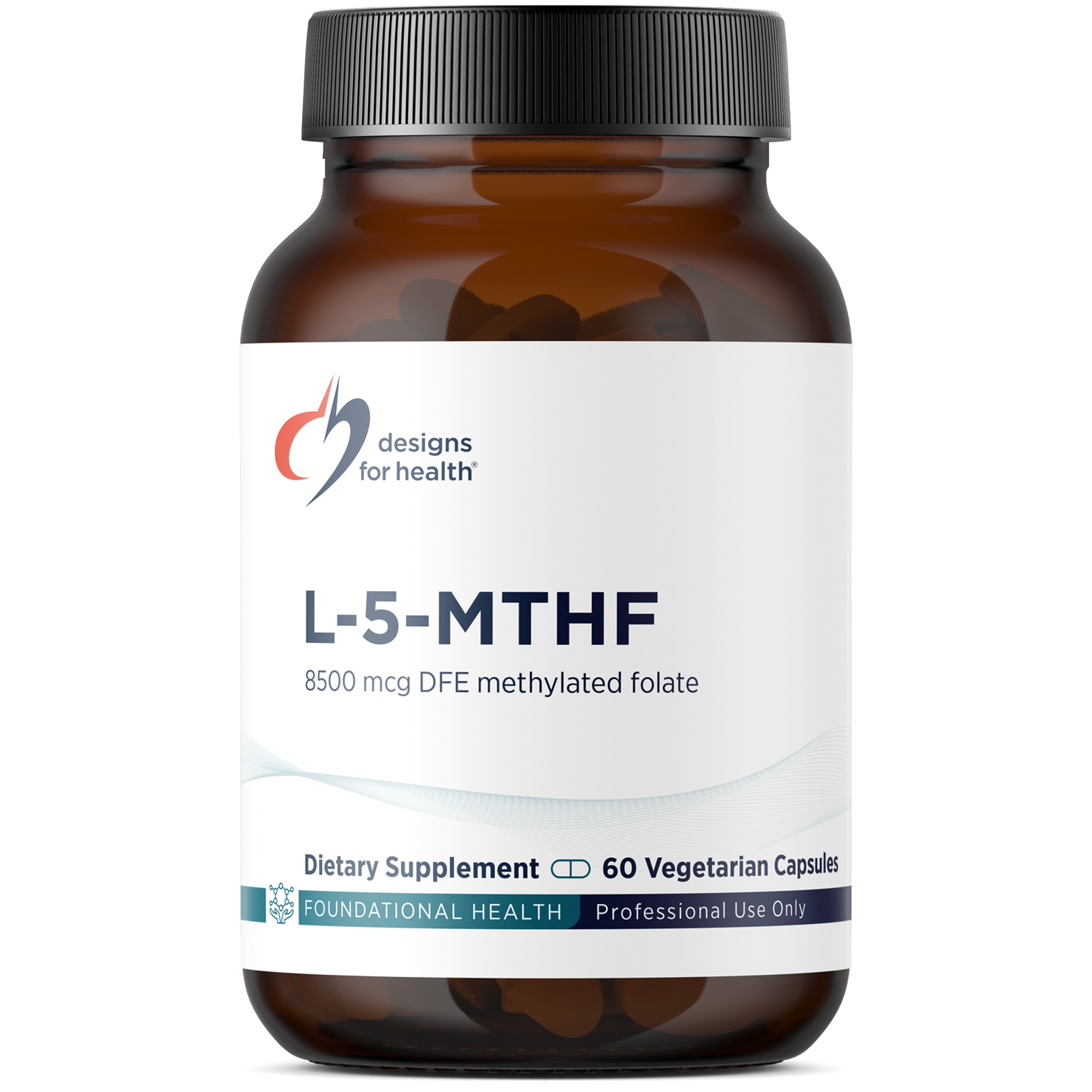
Designs for Health
L-5-MTHF 8500 Mcg
🤰 for Pregnancy
100
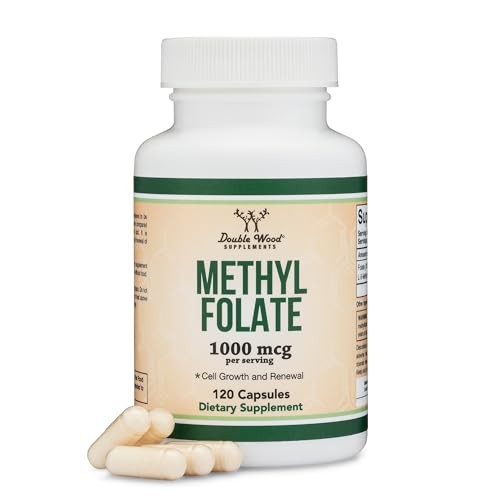
Double Wood Supplements
Methyl Folate 1000mcg
🤰 for Pregnancy
100
Life Extension
High Potency Optimized Folate 8500 mcg DFE
🤰 for Pregnancy
100
Sources & Scoring
Nutrient data (RDA, UL, and safety thresholds) sourced from the NIH Office of Dietary Supplements and the National Academies Dietary Reference Intakes (DRI).
This is not medical advice. Consult a healthcare provider before making changes to your supplement routine.
The score analyzes what's on the label: ingredient doses vs. studied ranges, chemical forms, evidence levels, and known interactions. It does not verify label accuracy or test for contaminants — for that, look for third-party certifications like USP or NSF.
Not medical advice. Consult your healthcare professional.