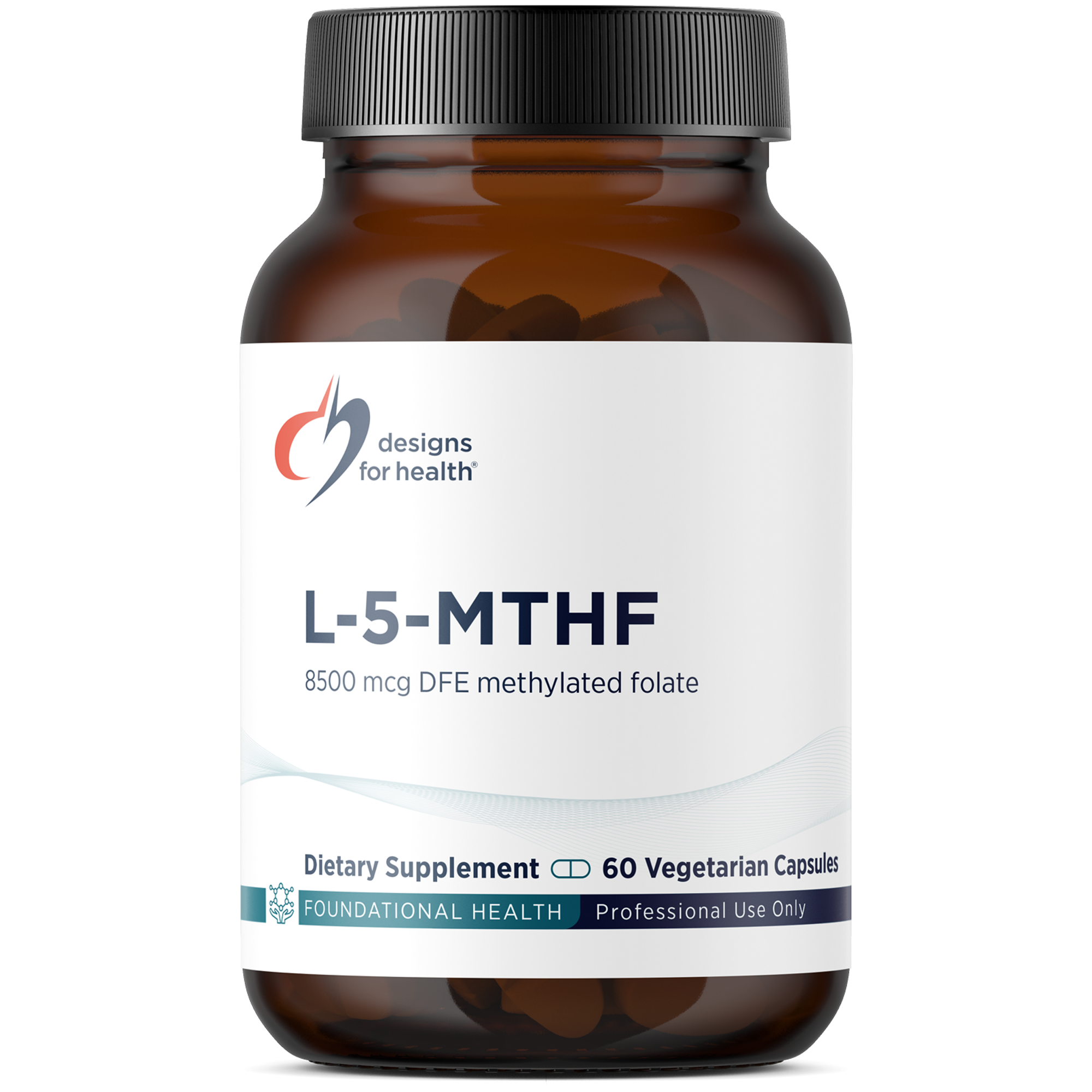
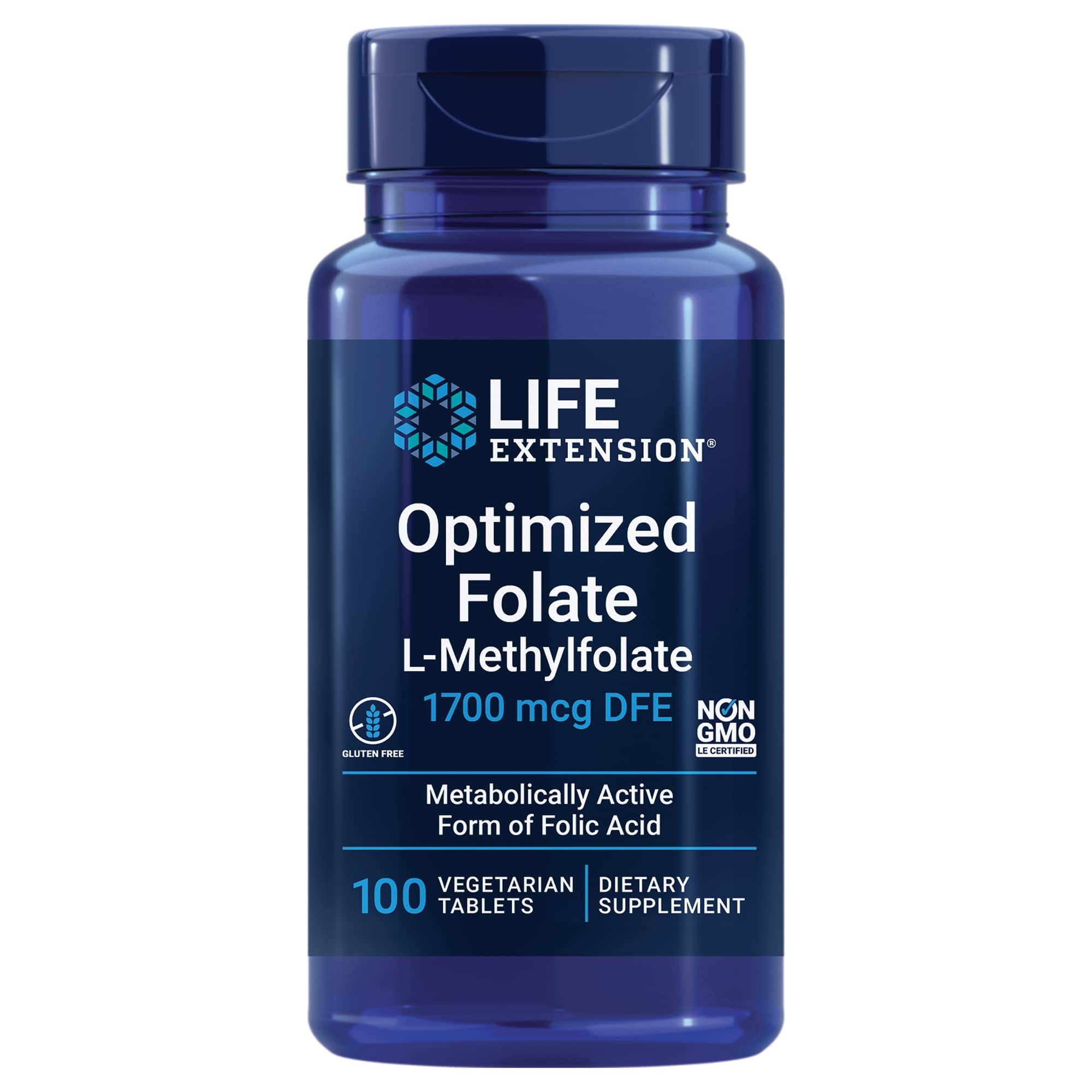
This is a high-dose active folate for people who don't convert ordinary folic acid well. The label says 8500 mcg DFE, but methylfolate counts as roughly 1.7x its real weight in DFE units — so you're actually getting about 5,000 mcg of **L-methylfolate** per tablet. That's still many times the 400 mcg daily requirement, well into therapeutic territory for methylation, mood, and red blood cell formation.
Because this is B9 in its already-active form, it works without the multi-step MTHFR conversion that synthetic folic acid requires. That matters because roughly 40-50% of people carry MTHFR variants that blunt that conversion — for them, this skips the bottleneck.
A dose this high is meant for a real job — correcting deficiency or practitioner-directed methylation and mood protocols — not routine daily coverage, where far less would do.
BioStacks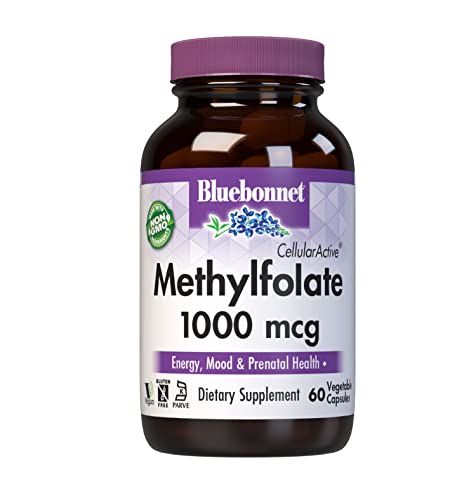
Ingredients (1)
Folate
100%Dose
8500 mcg dfe
Target
400–800 mcg
Form
Premium
Other Ingredients (6)
Silicon DioxideAnti-caking
Fine silica powder used to prevent clumping
Vegetable StearateLubricant
A plant-derived salt of stearic acid (typically magnesium or calcium) used as a tablet lubricant
Croscarmellose SodiumDisintegrant
Cross-linked cellulose derivative used as a superdisintegrant
Dicalcium PhosphateBinder
Calcium and phosphorus compound used as binder
Microcrystalline CelluloseBinder
Plant-derived cellulose used as a binder and filler in supplements
Stearic AcidLubricant
Saturated fatty acid used as tablet lubricant
How to Take It
Take it anytime
Water-soluble — timing is flexible. Consistency matters more than the clock.
With or without food
On the label
Take one (1) tablet daily with food, or as recommended by a healthcare practitioner.
General guidance based on the ingredients, not a substitute for the label or your doctor.
Price Check
$13.50
Near the median of 138 vitamin B9 supplements
Track this supplement in your stack
Get personalized insights, interactions, and coverage recommendations.
Get Started FreeSimilar Supplements
Bluebonnet
CellularActive Methylfolate 1000 mcg
🤰 for Pregnancy
100
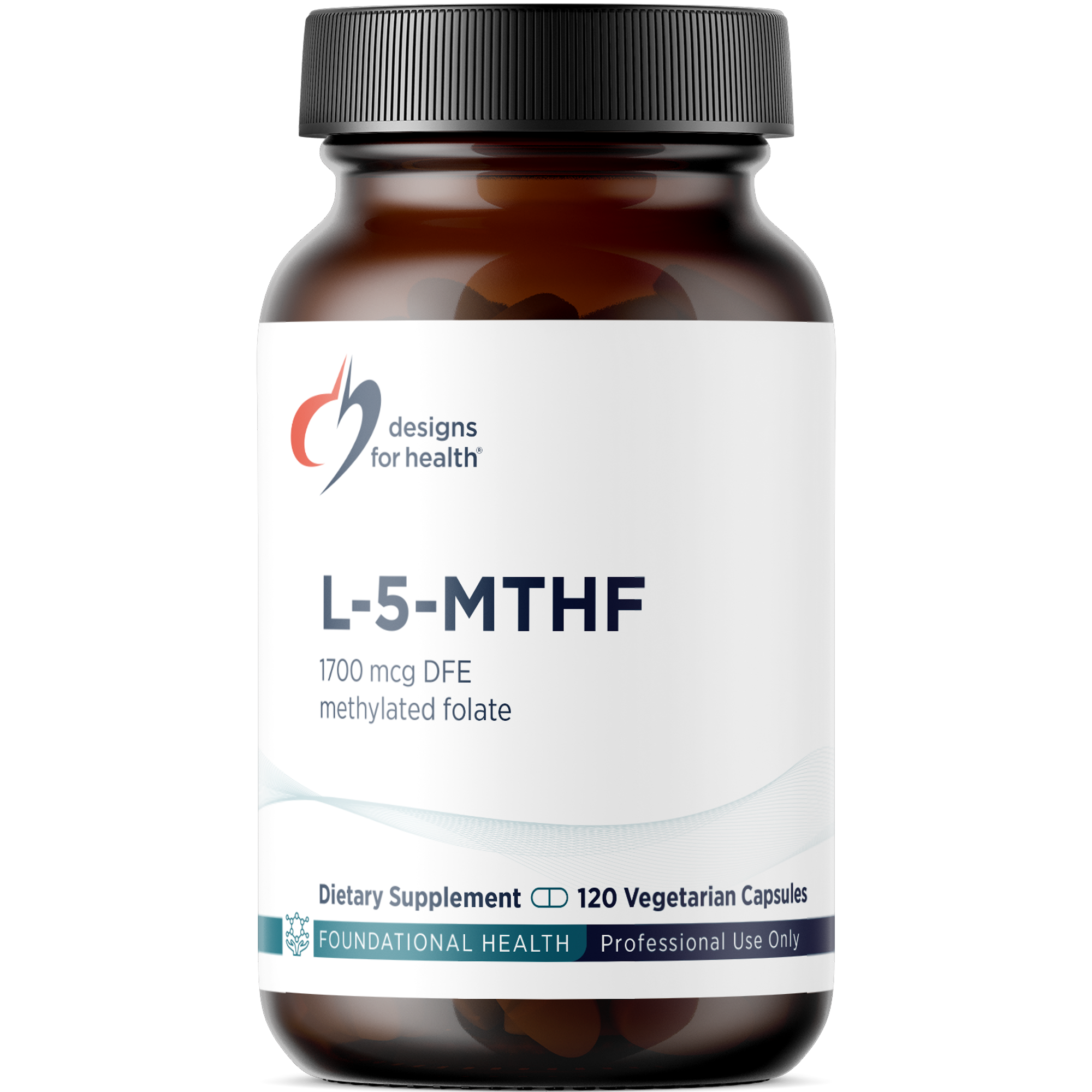
Designs for Health
L-5-MTHF 1700 mcg
🤰 for Pregnancy
100
Designs for Health
L-5-MTHF 8500 Mcg
🤰 for Pregnancy
100
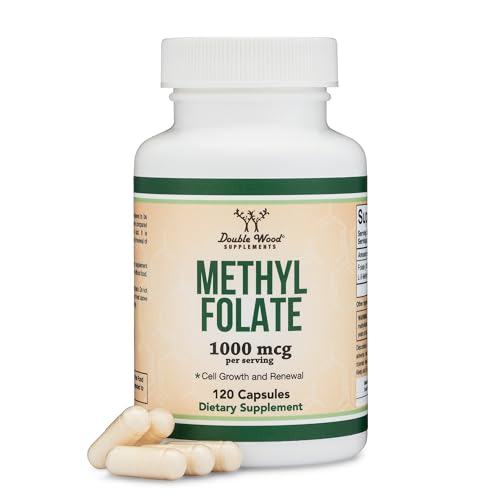
Double Wood Supplements
Methyl Folate 1000mcg
🤰 for Pregnancy
100
Life Extension
Optimized Folate L-Methylfolate 1700 mcg DFE
🤰 for Pregnancy
100
Sources & Scoring
Nutrient data (RDA, UL, and safety thresholds) sourced from the NIH Office of Dietary Supplements and the National Academies Dietary Reference Intakes (DRI).
This is not medical advice. Consult a healthcare provider before making changes to your supplement routine.
The score analyzes what's on the label: ingredient doses vs. studied ranges, chemical forms, evidence levels, and known interactions. It does not verify label accuracy or test for contaminants — for that, look for third-party certifications like USP or NSF.