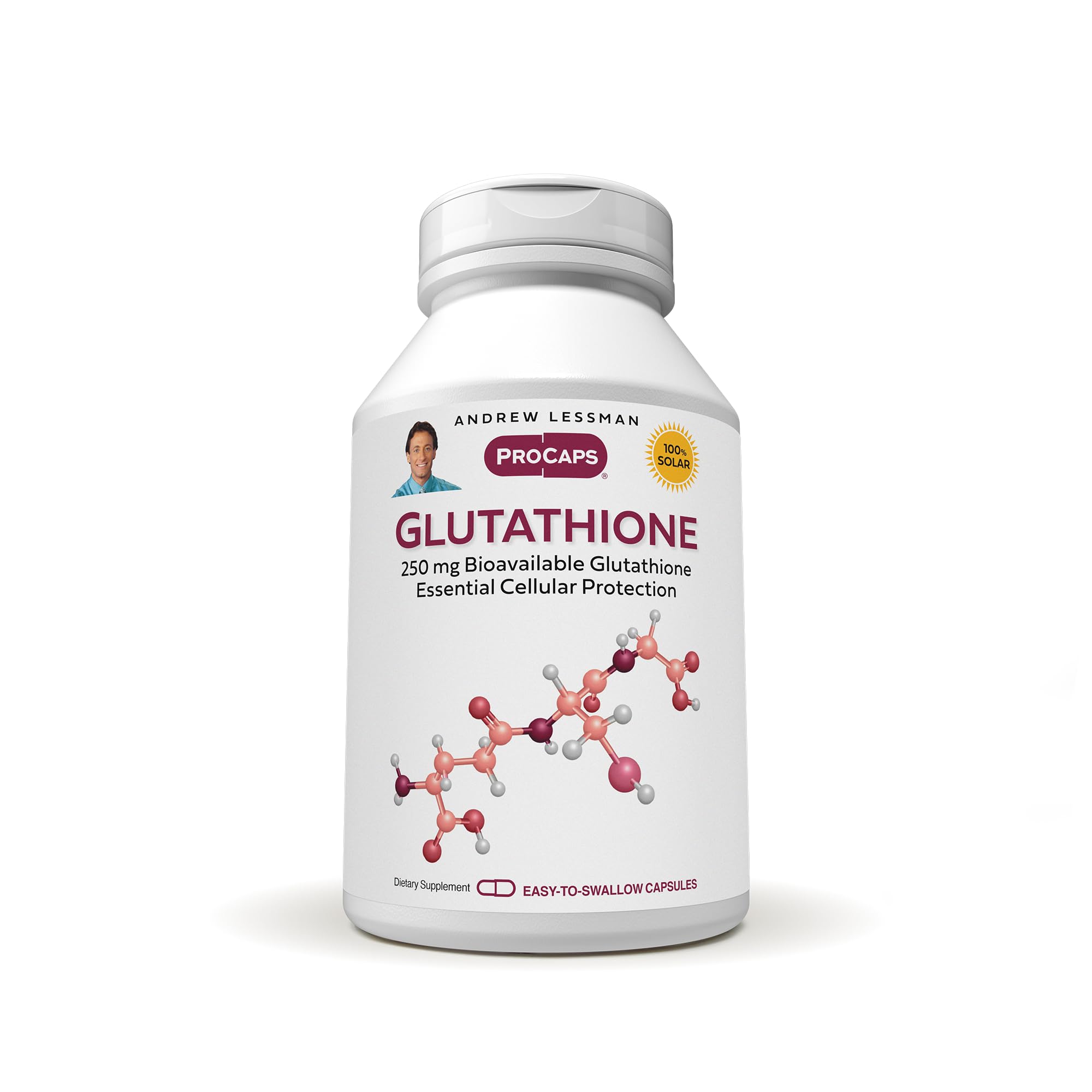
This product is designed to support your body's antioxidant defenses, but the doses of the two key ingredients fall well short of clinical ranges. **L-Glutathione** (Setria, reduced form) comes in at just 50mg per capsule — most research on oral glutathione uses 250–500mg daily. **L-Cysteine** HCl provides 200mg, roughly a third of the 600mg minimum studied for glutathione support.
**Vitamin C** is the strongest ingredient here for you at 500mg, comfortably within the 250–2,000mg clinical range. It does play a role in recycling glutathione, so there's a logical synergy — but the glutathione and cysteine themselves are too low to expect meaningful standalone benefit.
If your goal is boosting glutathione levels, the cysteine dose here is unlikely to move the needle on its own. You'd need to rely heavily on the vitamin C component, which is well-dosed but serves a broader purpose than targeted glutathione support.
BioStacksAsk AI about this product
What it does
A combination of 3 label ingredients.
GSH
setriaPremium
Label lists Setria L-Glutathione (50 mg). Benefit information is limited.
Vitamin C
ascorbic acidBudget
Supports normal collagen production and immune function, and helps the body absorb iron from plant foods.
Ingredients (3)
Other ingredients
Silicon DioxideAnti-caking
Fine silica powder used to prevent clumping
Vegetable StearateLubricant
A plant-derived salt of stearic acid (typically magnesium or calcium) used as a tablet lubricant
Microcrystalline CelluloseBinder
Plant-derived cellulose used as a binder and filler in supplements
Stearic AcidLubricant
Saturated fatty acid used as tablet lubricant
Microcrystalline CelluloseBinder
Plant-derived cellulose used as a binder and filler in supplements
Lab testing
How to take it
With or without food
Similar products
Sources & Scoring
Nutrient data (RDA, UL, and safety thresholds) sourced from the NIH Office of Dietary Supplements and the National Academies Dietary Reference Intakes (DRI).
This is not medical advice. Consult a healthcare provider before making changes to your supplement routine.
The score analyzes what's on the label: ingredient doses vs. studied ranges, chemical forms, evidence levels, and known interactions. It does not verify label accuracy or test for contaminants — for that, look for third-party certifications like USP or NSF.
Not medical advice. Consult your healthcare professional.