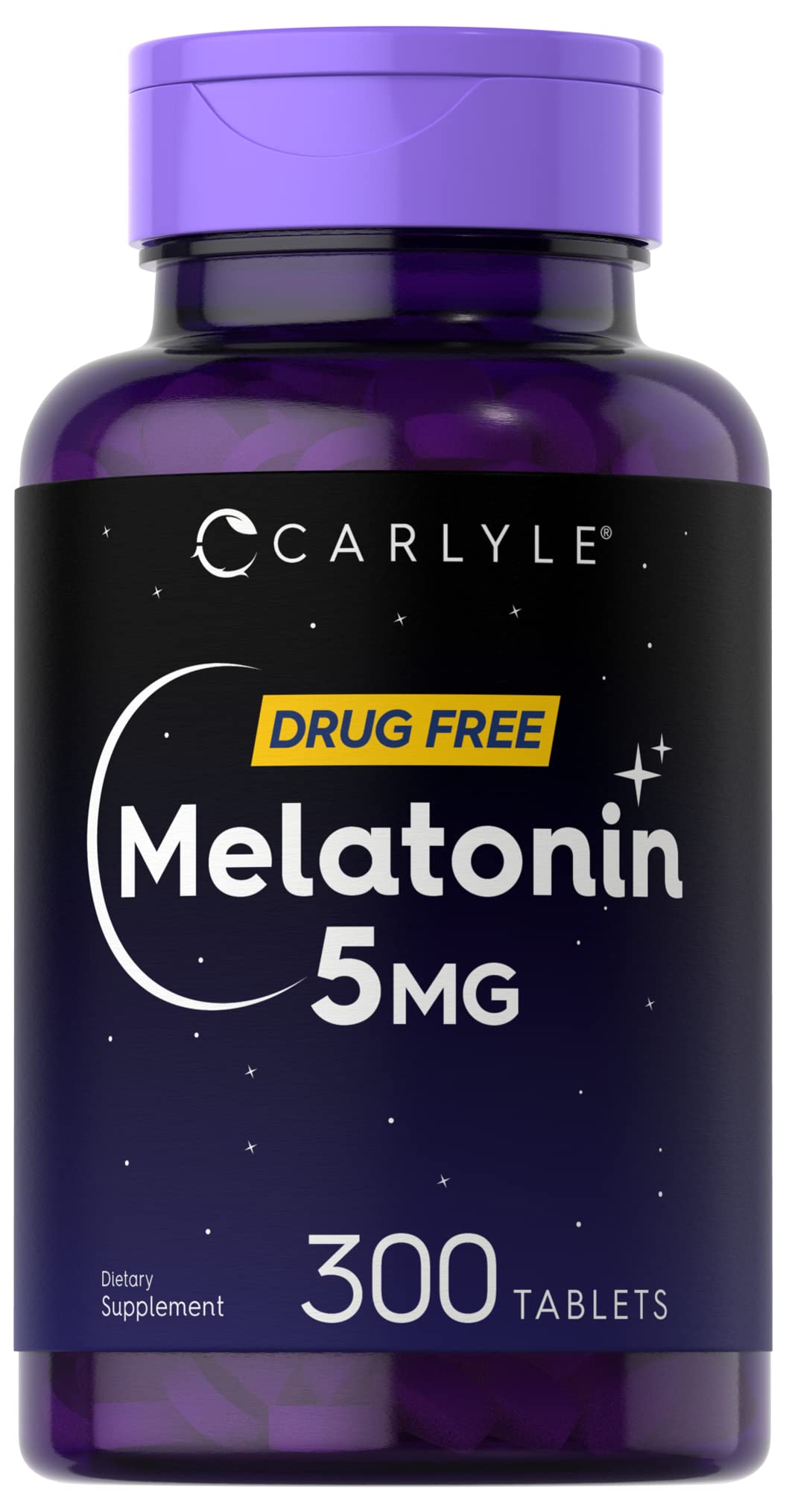
This melatonin capsule delivers 10mg per serving aimed at sleep onset — a dose that sits well above the 0.5–5mg range used in most clinical sleep research. **Melatonin** is the hormone your body releases at night to signal it's time to sleep, and supplementing it has solid evidence for helping you fall asleep faster and easing jet lag.
The catch is the dose itself. At 10mg you're taking roughly double the top of the studied range, and the research is clear that more melatonin isn't more effective for falling asleep — higher doses can actually leave you groggy the next morning without improving sleep onset. Most people get the same benefit from 0.5–3mg.
A 10mg dose makes the most sense if you've tried lower amounts and found them ineffective, or for short-term use against significant jet lag. If you're new to melatonin, start lower and move up only if you need to.
BioStacks
Best for
Ingredients (1)
Melatonin
100%Dose
10 mg
Target
0.5–5 mg
Form
—
Other Ingredients (3)
Rice HullsAnti-caking
Ground outer husk of rice grains used as a plant-based flow and anti-caking agent
Microcrystalline CelluloseBinder
Plant-derived cellulose used as a binder and filler in supplements
Microcrystalline CelluloseBinder
Plant-derived cellulose used as a binder and filler in supplements
How to Take It
Best taken in the evening
Take 30–60 minutes before bed. It's a circadian signal, not a daytime supplement.
With or without food
On the label
Take one (1) capsule 30 to 60 minutes before bedtime, or as recommended by a healthcare practitioner. Melatonin is naturally secreted from the pineal gland at night, and should be taken at night for optimal results.
General guidance based on the ingredients, not a substitute for the label or your doctor.
Price Check
$12.99
Near the median of 203 melatonin supplements
Track this supplement in your stack
Get personalized insights, interactions, and coverage recommendations.
Get Started FreeSimilar Supplements
Sources & Scoring
Nutrient data (RDA, UL, and safety thresholds) sourced from the NIH Office of Dietary Supplements and the National Academies Dietary Reference Intakes (DRI).
This is not medical advice. Consult a healthcare provider before making changes to your supplement routine.
The score analyzes what's on the label: ingredient doses vs. studied ranges, chemical forms, evidence levels, and known interactions. It does not verify label accuracy or test for contaminants — for that, look for third-party certifications like USP or NSF.