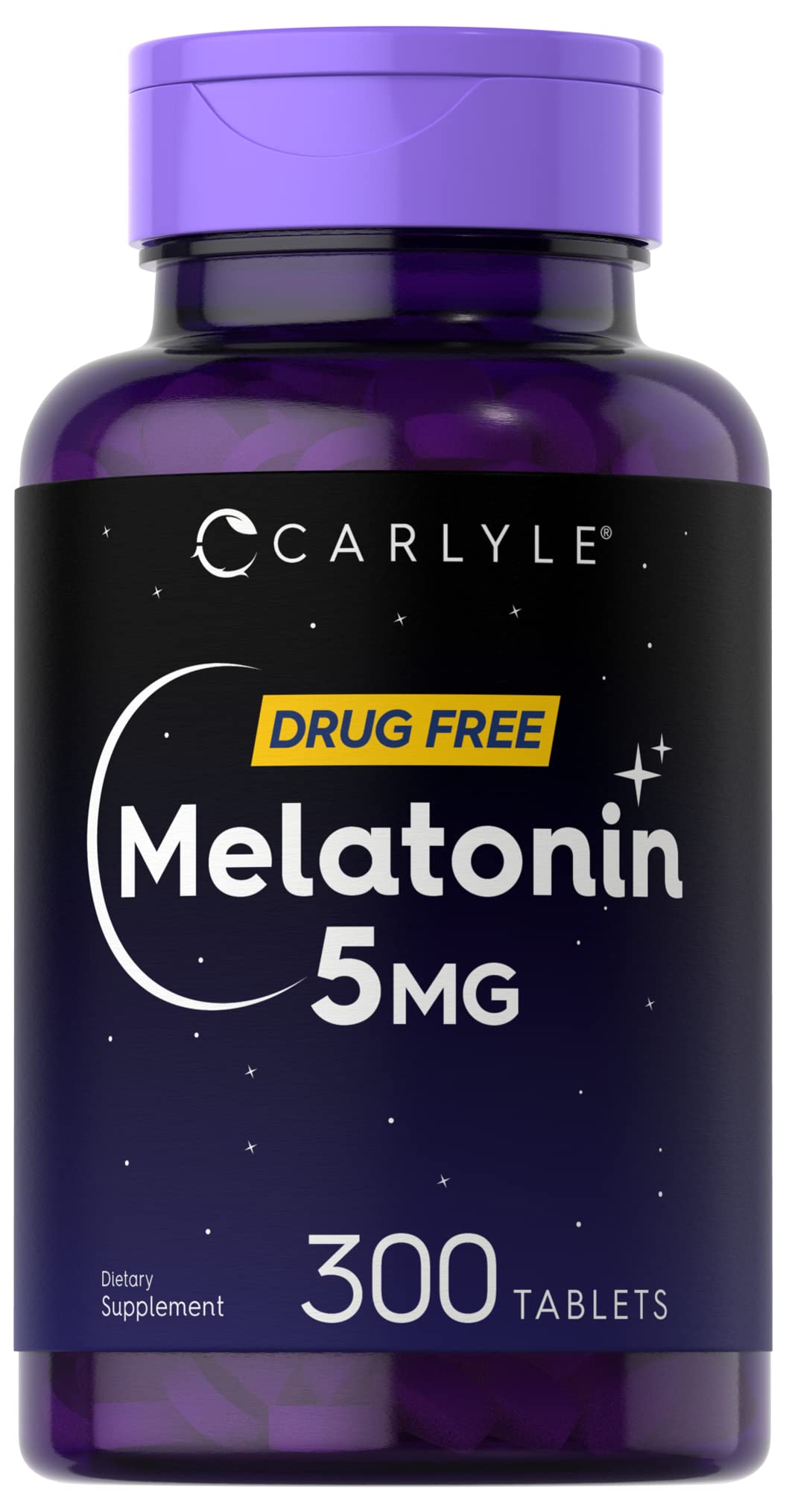
This timed-release **melatonin** delivers 3mg over six hours, sitting well within the studied 0.5–5mg range for sleep — and the extended-release format is the real reason to choose it. It targets staying asleep, not just falling asleep: standard instant-release melatonin peaks and clears within an hour or two, which helps you drift off but does little if you wake at 3am. The 6-hour design keeps levels up to support sleep maintenance through the night.
At 3mg the dose is sensible rather than excessive — doses around 10mg don't reliably work better and more often leave you groggy. If your only issue is trouble falling asleep, a lower instant-release dose would do the same job; this format is built for mid-night waking. One honest caveat: the evidence for timed-release melatonin improving sleep maintenance is reasonable but modest, and better established for sleep onset. Take it 30–60 minutes before bed.
BioStacks
Best for
Ingredients (1)
Melatonin
100%Dose
3 mg
Target
0.5–5 mg
Form
—
Other Ingredients (9)
Silicon DioxideAnti-caking
Fine silica powder used to prevent clumping
Vegetable StearateLubricant
A plant-derived salt of stearic acid (typically magnesium or calcium) used as a tablet lubricant
Croscarmellose SodiumDisintegrant
Cross-linked cellulose derivative used as a superdisintegrant
GlycerinHumectant
Sweet-tasting liquid used in soft capsules and liquids
Hydroxypropyl CelluloseBinder
An inert modified-cellulose polymer used as a binder, film-former, and disintegrant.
HypromelloseCapsule
Plant-derived capsule material from cellulose
Microcrystalline CelluloseBinder
Plant-derived cellulose used as a binder and filler in supplements
Purified WaterSolvent
Water meeting USP specifications used as solvent/vehicle in gummies and liquids
How to Take It
Best taken in the evening
Take 30–60 minutes before bed. It's a circadian signal, not a daytime supplement.
With or without food
On the label
Take one (1) tablet 30 to 60 minutes before bedtime, or as recommended by a healthcare practitioner. Melatonin is naturally secreted from the pineal gland at night, and should be taken at night for optimal results.
General guidance based on the ingredients, not a substitute for the label or your doctor.
Price Check
$9.00
Cheaper than 75% of 203 melatonin supplements
Track this supplement in your stack
Get personalized insights, interactions, and coverage recommendations.
Get Started FreeSimilar Supplements
Sources & Scoring
Nutrient data (RDA, UL, and safety thresholds) sourced from the NIH Office of Dietary Supplements and the National Academies Dietary Reference Intakes (DRI).
This is not medical advice. Consult a healthcare provider before making changes to your supplement routine.
The score analyzes what's on the label: ingredient doses vs. studied ranges, chemical forms, evidence levels, and known interactions. It does not verify label accuracy or test for contaminants — for that, look for third-party certifications like USP or NSF.