BioStacks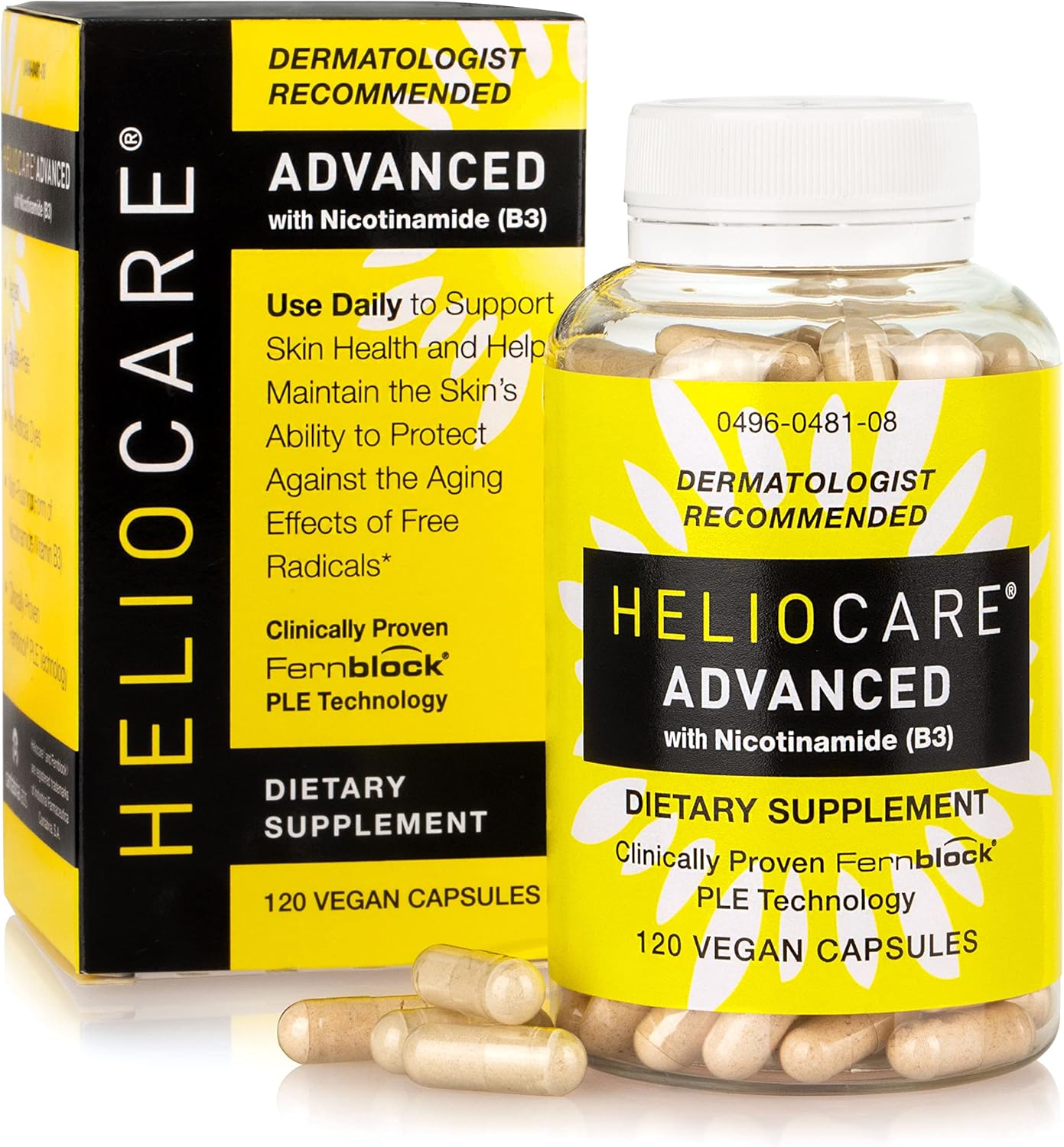
Best for
Ingredients (4)
Polypodium leucotomos extract
100%Dose/day
480 mg
Target
240–480 mg
Form
—
Niacin
100%Dose/day
1000 mg ne
Target
25–500 mg
Form
Standard
Red Orange Complex
100%Dose/day
200 mg
Target
80–500 mg
Form
—
Vitamin C
4%Dose/day
10 mg
Target
250–2000 mg
Form
Not listed
Other Ingredients (5)
MaltodextrinBinder
Spikes blood sugar faster than table sugar (glycemic index 85–105). Research links it to gut bacteria changes that may promote intestinal inflammation (Nickerson et al. 2015). Used as a cheap filler — adds nothing beneficial.
Silicon DioxideAnti-caking
Fine silica powder used to prevent clumping
Microcrystalline CelluloseBinder
Plant-derived cellulose used as a binder and filler in supplements
Stearic AcidLubricant
Saturated fatty acid used as tablet lubricant
Microcrystalline CelluloseBinder
Plant-derived cellulose used as a binder and filler in supplements
How to Take It
Take it anytime
Niacinamide doesn't cause the niacin flush — that's specific to nicotinic acid. Timing and food are both flexible here.
With or without food
Split into 2 doses across the day
On the label
Take two (2) capsules twice daily, with or without food, or as recommended by a healthcare practitioner.
General guidance based on the ingredients, not a substitute for the label or your doctor.
Price Check
$33.00
Near the median of 239 energy supplements
Track this supplement in your stack
Get personalized insights, interactions, and coverage recommendations.
Get Started FreeSimilar Supplements
Ferndale Healthcare
Heliocare Advanced with Nicotinamide (B3)
⚡ for Energy
81
Inno Supps
Nitro Wood Magnum
🛡️ for Immune
42
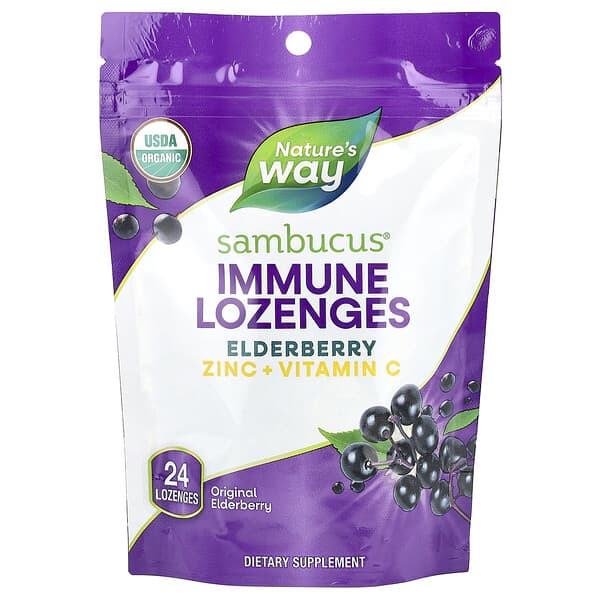
Nature's Way
Sambucus® Elderberry, Immune Lozenges, Original Elderberry
🛡️ for Immune
18
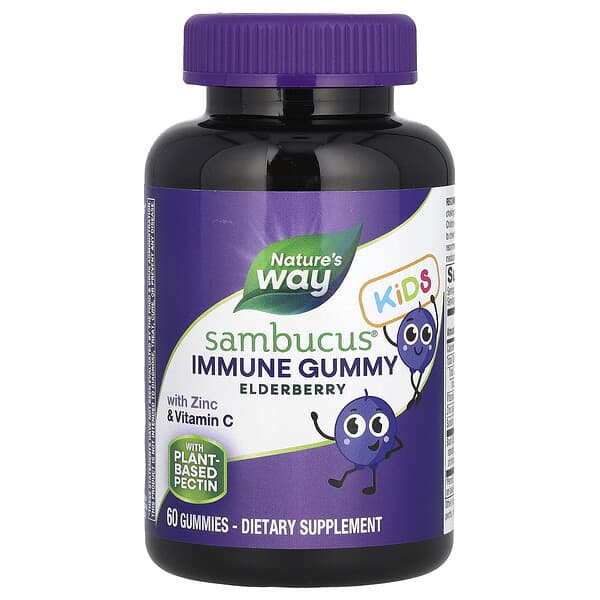
Nature's Way
Sambucus® Kids, Immune Gummy with Zinc & Vitamin C, Elderberry
8
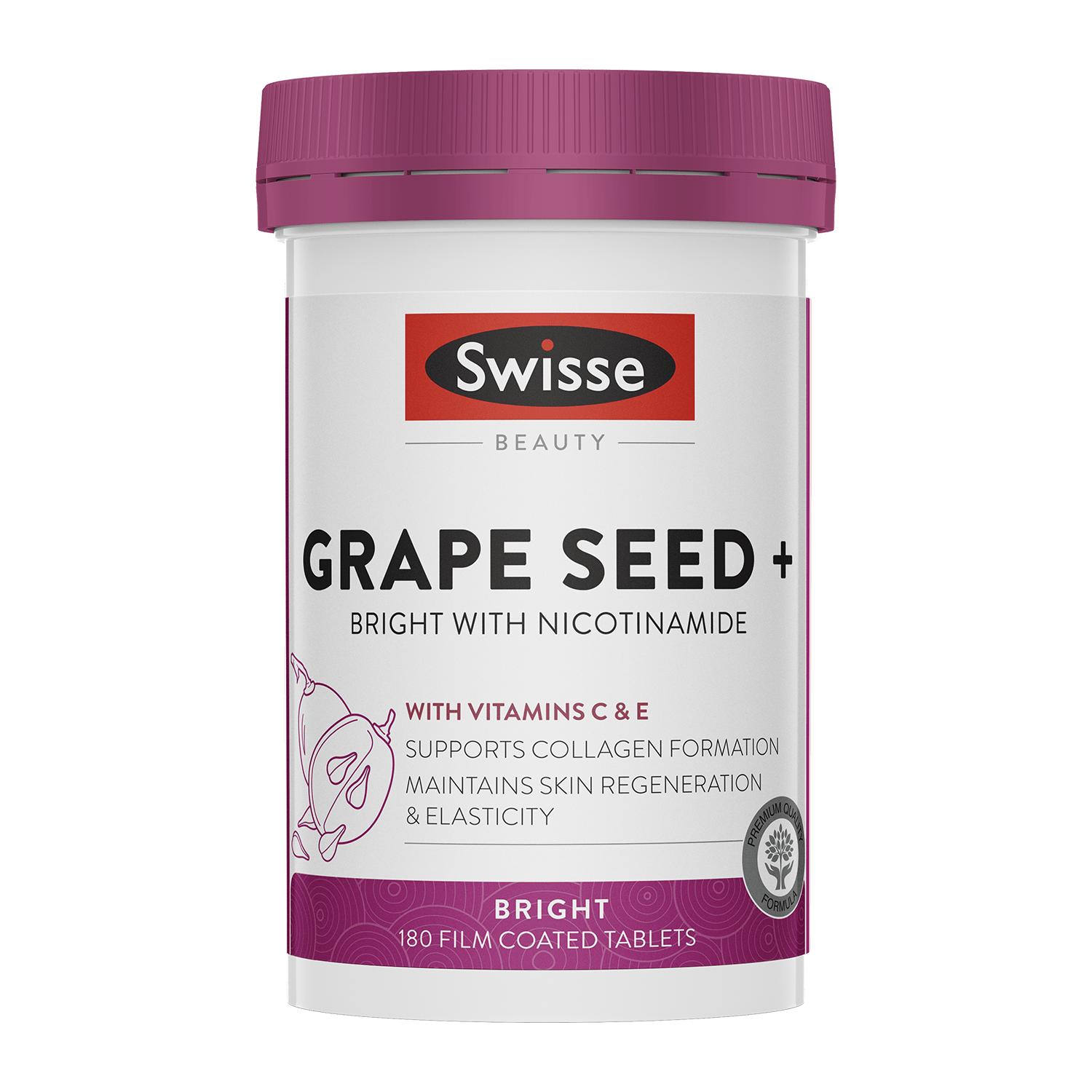
Swisse
Grape Seed+
⚡ for Energy
71
Sources & Scoring
Nutrient data (RDA, UL, and safety thresholds) sourced from the NIH Office of Dietary Supplements and the National Academies Dietary Reference Intakes (DRI).
This is not medical advice. Consult a healthcare provider before making changes to your supplement routine.
The score analyzes what's on the label: ingredient doses vs. studied ranges, chemical forms, evidence levels, and known interactions. It does not verify label accuracy or test for contaminants — for that, look for third-party certifications like USP or NSF.