BioStacks
Best for
Ingredients (2)
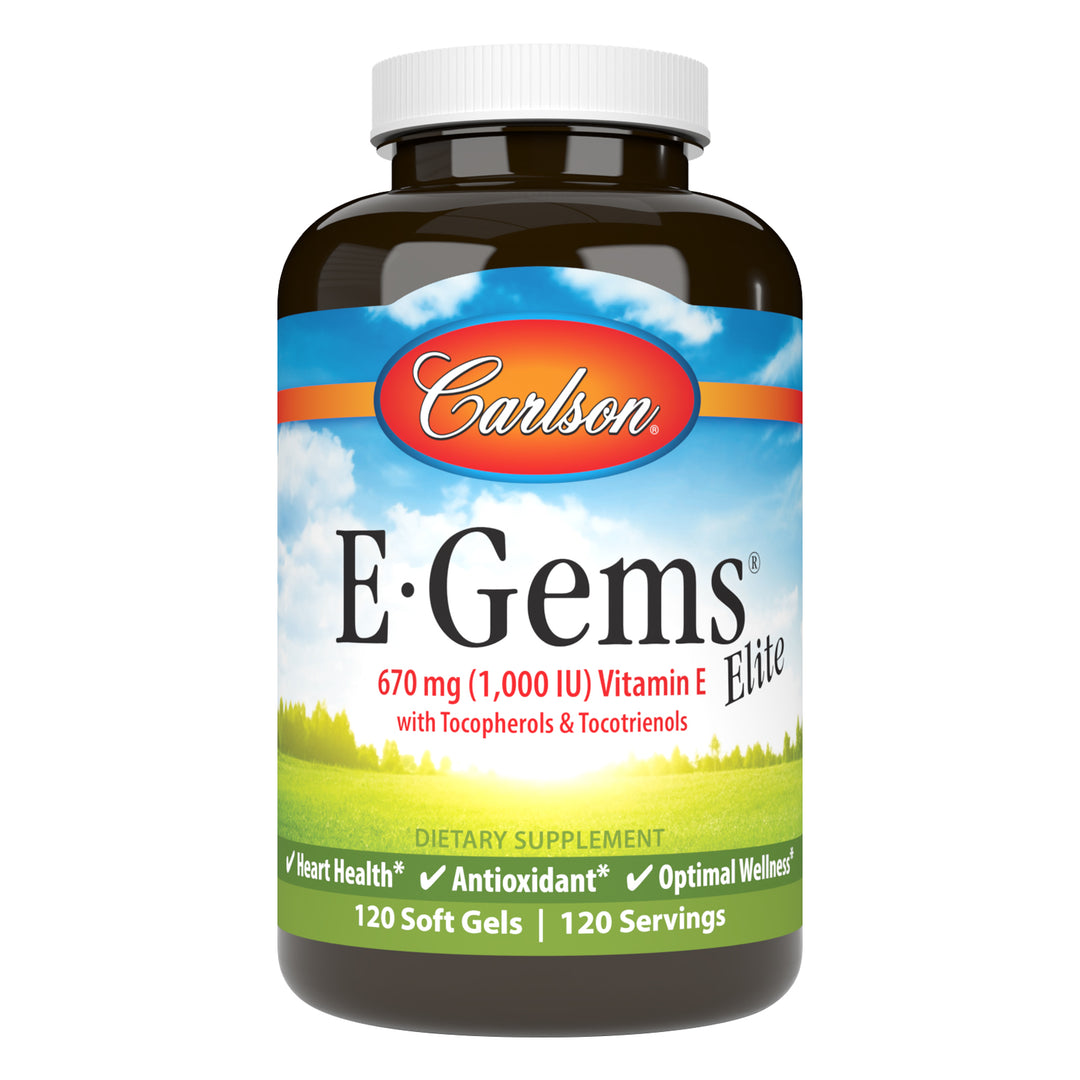
Mixed Tocotrienols
100%Dose/day
100 mg
Target
100–400 mg
Form
—
Vitamin E
52%Dose/day
26 mg
Target
50–268 mg
Form
Premium
Other Ingredients (7)
Caramel ColorColor
Class III and IV caramel colors contain 4-methylimidazole (4-MEI), classified by IARC as Group 2B (possibly carcinogenic to humans) in 2011 (Monograph Vol. 101). California Prop 65 lists 4-MEI as a known carcinogen; products delivering >29 mcg/day require a cancer warning label. NTP TR-535 (2007) found 4-MEI caused lung tumors in mice. Major cola brands (Coca-Cola, Pepsi) voluntarily reformulated 2012-2014 to reduce 4-MEI below California thresholds. Because labels never specify Class I (sugar + heat only, safer) vs Class III/IV (ammonia-process, contains 4-MEI), consumers cannot verify which they're consuming. Combined with the additive's purely cosmetic purpose, the risk:benefit ratio is unfavorable for any supplement.
Polysorbate 80Emulsifier
Chassaing et al. 2015 (Nature, PMID 25731162) tested polysorbate 80 directly and showed it thinned the gut mucus barrier, altered microbiota composition, and induced low-grade inflammation and metabolic syndrome in mice. The strongest human evidence is for a related emulsifier rather than polysorbate 80 itself: Chassaing 2022 (Gastroenterology, PMID 34774538) was a controlled human feeding RCT of carboxymethylcellulose (CMC) that found microbial encroachment into the mucus layer — polysorbate 80 has not been tested in an equivalent human trial. In vitro work (e.g. Roberts 2010) shows polysorbate 80 enhances bacterial translocation across intestinal epithelium, and observational data link overall dietary-emulsifier exposure to IBD risk. EFSA is mid re-evaluation of polysorbates (E432–E436). For a supplement excipient with purely cosmetic function (improving the look/texture of soft gels and liquids), the gut-barrier risk profile is unfavorable when safer alternatives (sunflower lecithin, MCT carriers, gum acacia) are widely available.
GelatinCapsule
Protein derived from collagen, used in traditional capsule shells
GlycerinHumectant
Sweet-tasting liquid used in soft capsules and liquids
Glyceryl Caprylate/CaprateEmollient
A mixed glycerin ester of caprylic and capric fatty acids, typically coconut-derived, used as an emollient and mild preservative-boosting agent in topical formulations.
Vegetable OilCarrier
Edible oils used as carriers in softgels and as processing aids
Purified WaterSolvent
Water meeting USP specifications used as solvent/vehicle in gummies and liquids
How to Take It
Take it anytime
Fat-soluble — take with a meal containing fat for better absorption. Time of day doesn't matter.
With a meal containing fat
Split into 2 doses across the day
On the label
Take one (1) softgel two times daily, or as recommended by a healthcare practitioner.
General guidance based on the ingredients, not a substitute for the label or your doctor.
Price Check
$22.49
Cheaper than 75% of 22 vitamin E (tocotrienol fraction) supplements
Track this supplement in your stack
Get personalized insights, interactions, and coverage recommendations.
Get Started FreeSimilar Supplements
Sources & Scoring
Nutrient data (RDA, UL, and safety thresholds) sourced from the NIH Office of Dietary Supplements and the National Academies Dietary Reference Intakes (DRI).
This is not medical advice. Consult a healthcare provider before making changes to your supplement routine.
The score analyzes what's on the label: ingredient doses vs. studied ranges, chemical forms, evidence levels, and known interactions. It does not verify label accuracy or test for contaminants — for that, look for third-party certifications like USP or NSF.