BioStacks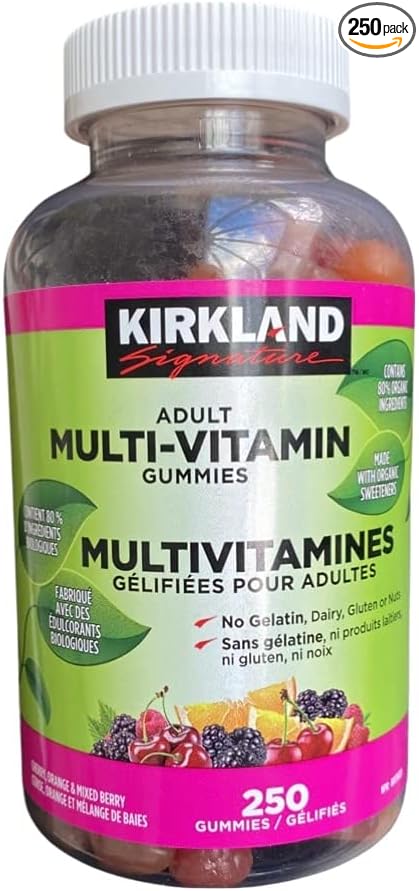
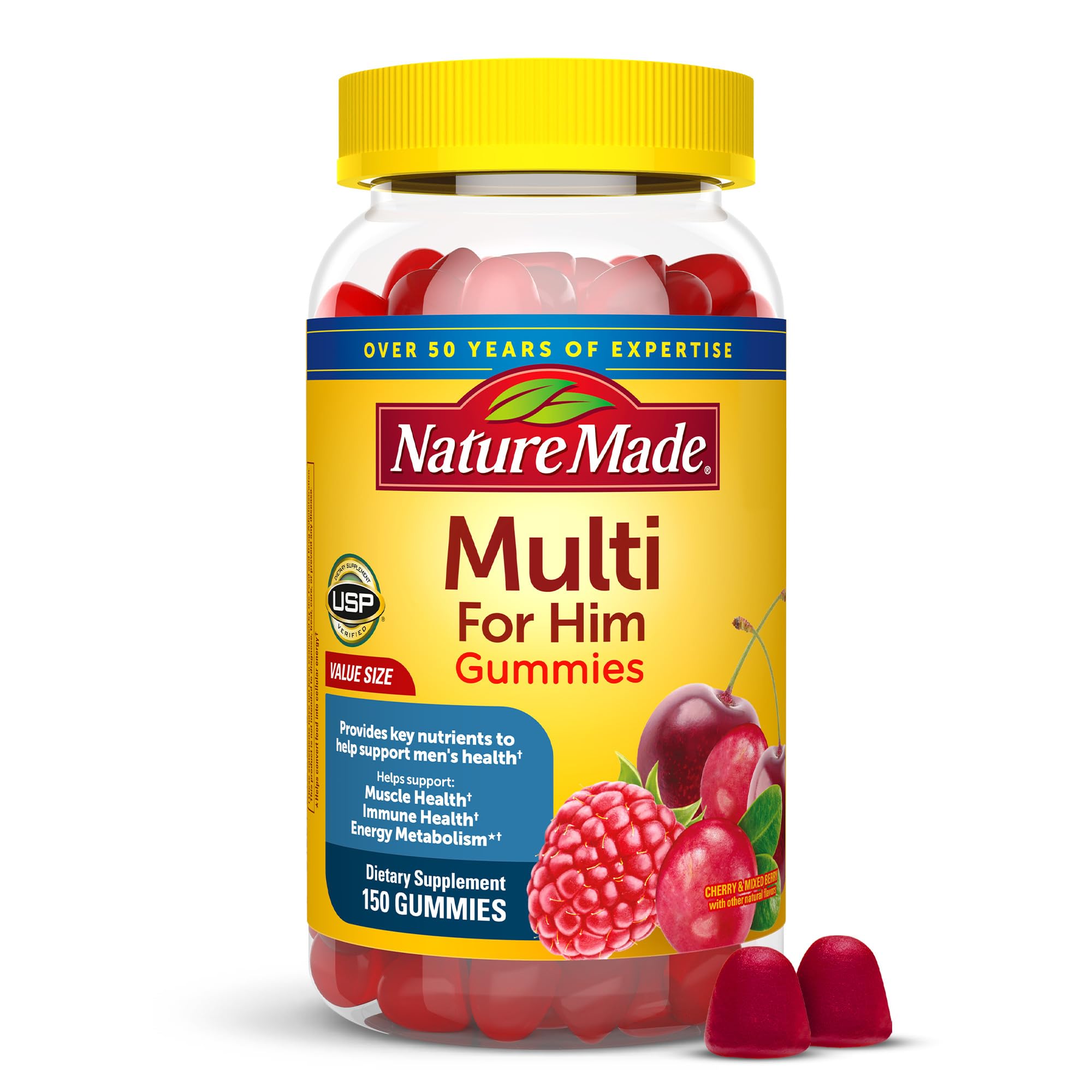
Best for
Ingredients (16)
Vitamin B12
4%Dose
10 mcg
Target
250–5000 mcg
Form
Premium
Pantothenic Acid
20%Dose
10 mg
Target
50–500 mg
Form
Premium
Vitamin B6
16%Dose
4 mg
Target
25–100 mg
Form
Premium
Molybdenum
82%Dose
37 mcg
Target
45–75 mcg
Form
—
Chromium
20%Dose
40 mcg
Target
200–1000 mcg
Form
Premium
Other Ingredients (11)
SucroseSweetener
Added sugars and high glycemic load; dental caries risk
Rice FlourFiller
Rice-based ingredients carry risk of inorganic arsenic contamination (FDA and Consumer Reports). Rice accumulates arsenic from soil at higher rates than other grains. Used as a cheap filler — adds nothing beneficial.
Organic Rice SyrupSweetener
High-glycemic glucose syrup that spikes blood sugar. Rice-derived syrups have been documented to carry inorganic arsenic (Jackson et al. 2012), a known carcinogen. 'Organic' does not remove arsenic.
Fruit Juice (unspecified)Colorant
Juice or juice concentrate used primarily for natural color and flavor in gummies
Natural FlavorsFlavor
Broad regulatory category of flavor constituents derived from natural sources. Composition is proprietary and not disclosed — 'Natural Flavors' can include several hundred different compounds depending on the target flavor profile, including hexane-extracted constituents and proprietary carrier solvents. 'Natural' is a regulatory definition (21 CFR §101.22), not a safety guarantee.
Citric AcidAcidulant
Natural acid derived from citrus fruits
GlycerinHumectant
Sweet-tasting liquid used in soft capsules and liquids
Malic AcidAcidulant
Naturally occurring organic acid found in apples, used as a flavor enhancer and acidulant in supplements
How to Take It
Take it anytime
No evidence a formula this broad works better at any particular hour. Take it with a meal containing fat — the vitamins A, D and E in it absorb poorly without one.
With a meal containing fat
On the label
Adults take 1 chew daily. May be taken any time of day. Take only as directed.
General guidance based on the ingredients, not a substitute for the label or your doctor.
Price Check
$22.99
Near the median of 798 multivitamins
Track this supplement in your stack
Get personalized insights, interactions, and coverage recommendations.
Get Started FreeSimilar Supplements
Kirkland Signature
Adult Multivitamin Gummies
🛡️ for Immune
35
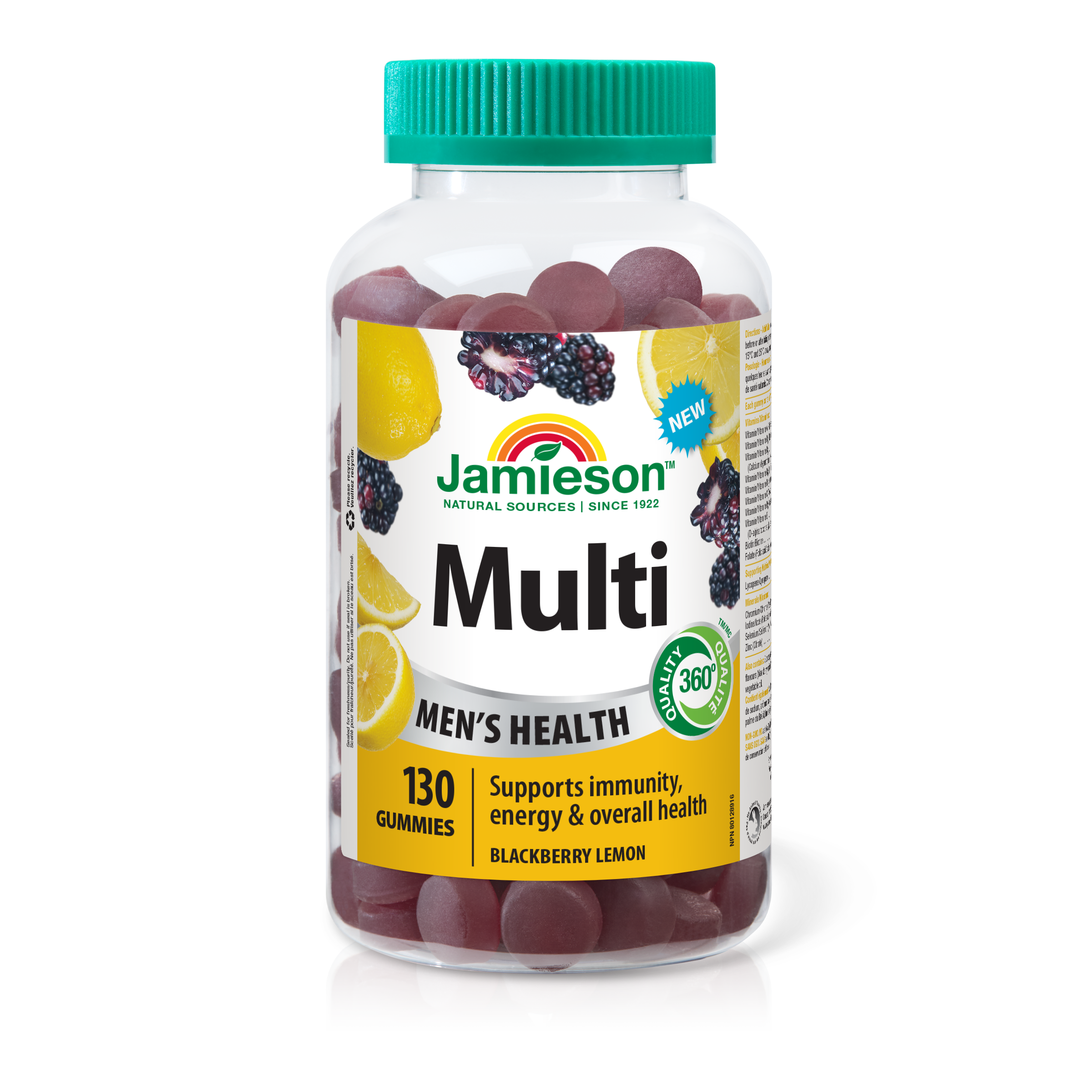
Jamieson
Men's Multivitamin Gummies
🛡️ for Immune
40
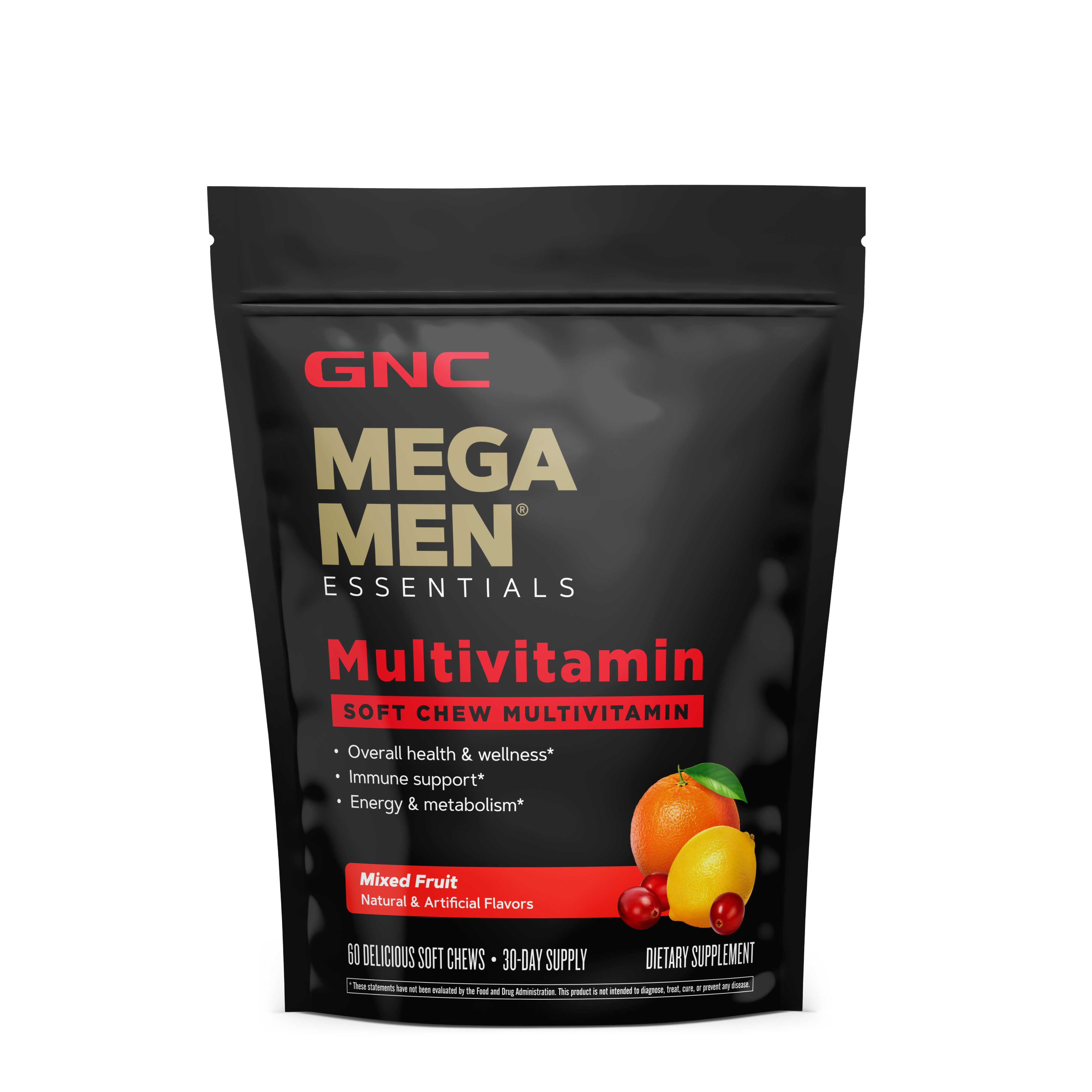
GNC
Mega Men Essentials Multivitamin Soft Chew (Mixed Fruit)
🛡️ for Immune
56
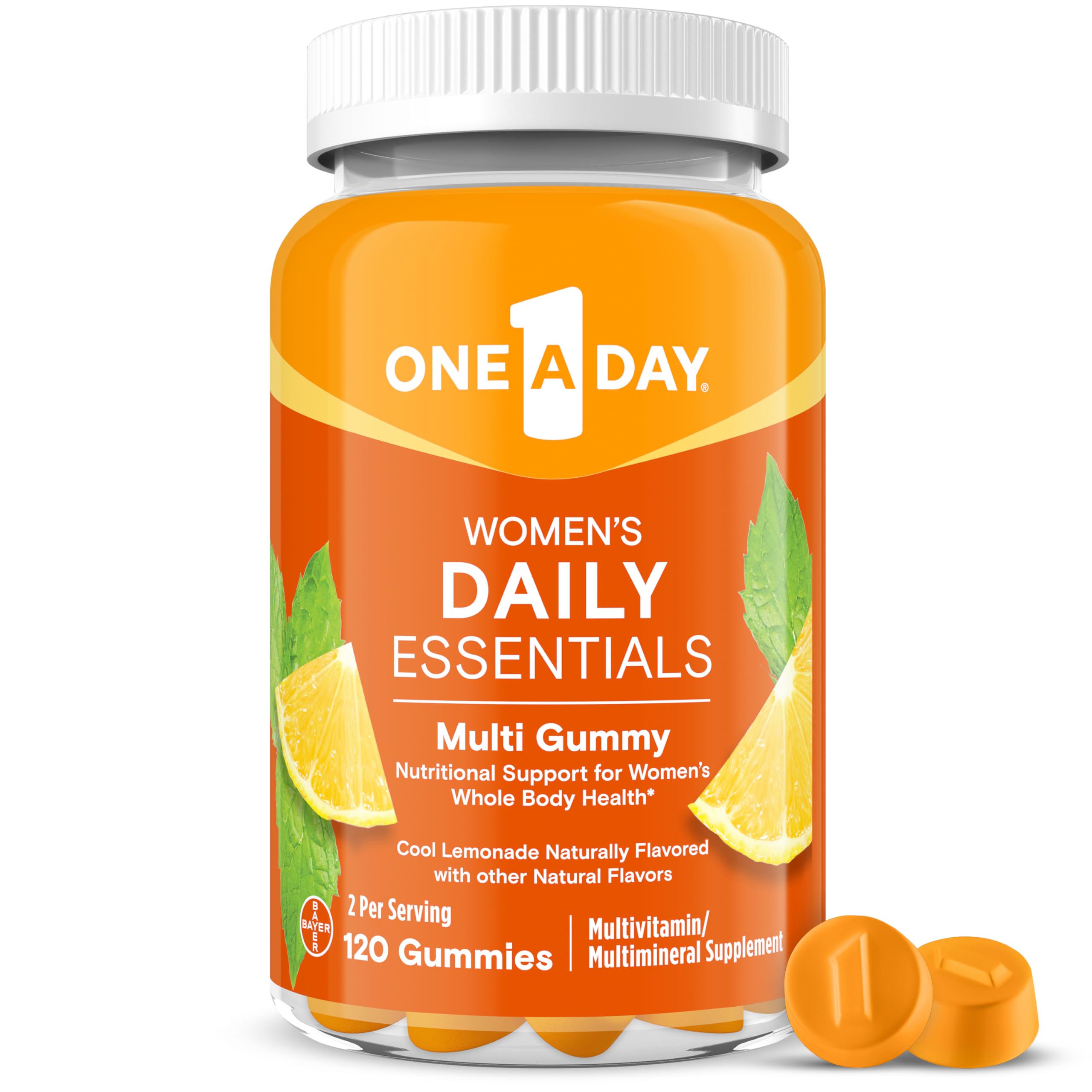
One A Day
Women's Daily Essentials Multi Gummy (Cold Lemonade)
🛡️ for Immune
46
Nature Made
Multi For Him Gummies
🛡️ for Immune
42
Sources & Scoring
Nutrient data (RDA, UL, and safety thresholds) sourced from the NIH Office of Dietary Supplements and the National Academies Dietary Reference Intakes (DRI).
This is not medical advice. Consult a healthcare provider before making changes to your supplement routine.
The score analyzes what's on the label: ingredient doses vs. studied ranges, chemical forms, evidence levels, and known interactions. It does not verify label accuracy or test for contaminants — for that, look for third-party certifications like USP or NSF.