BioStacks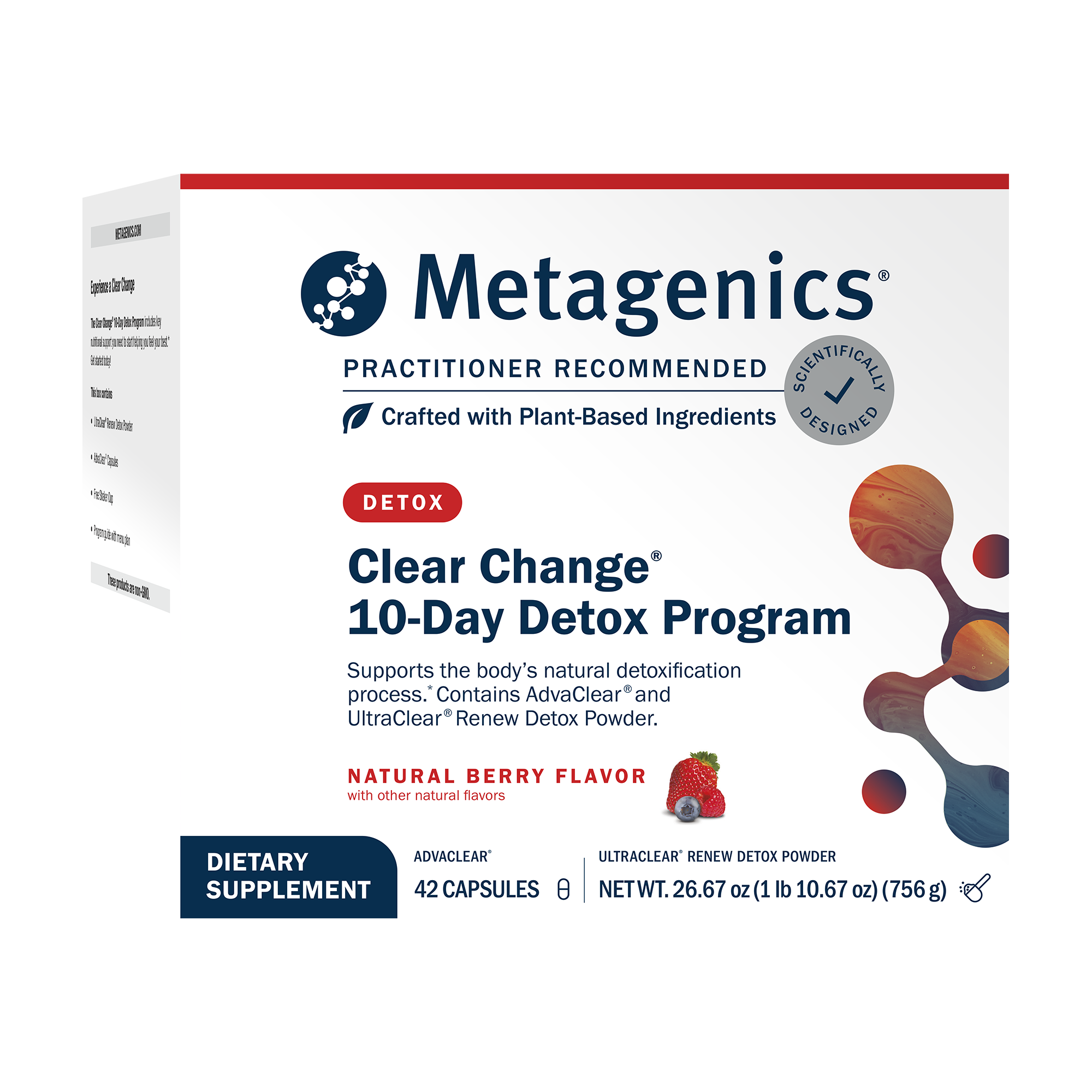
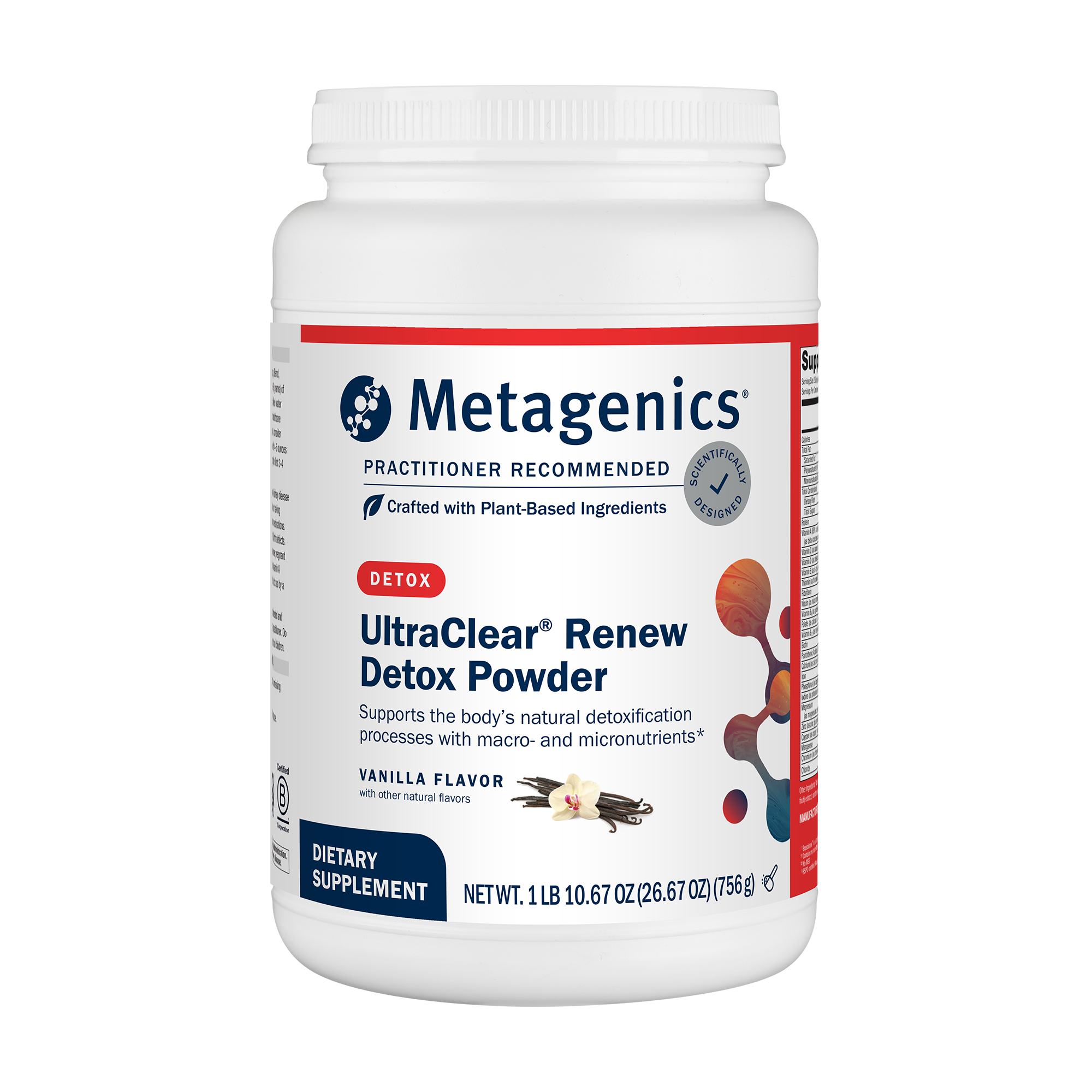
Metagenics
Clear Change 10-Day Detox Program (Chai)
Powder · 36 G × 2/day · 21 servings · $6.65/serving
Best for
Ingredients (71)
Phosphorus
100%Dose/day
580 mg
Target
100–500 mg
Form
—
Potassium
100%Dose/day
1200 mg
Target
99–500 mg
Form
Premium
Folate
100%Dose/day
890 mcg DFE
Target
400–800 mcg
Form
Premium
Vitamin B6
100%Dose/day
33.3 mg
Target
1.3–25 mg
Form
—
Calcium
100%Dose/day
300 mg
Target
200–600 mg
Form
Premium
Nutrition
Calories, macros & sodium.
- Sodium80 mg
- Sodium40 mg
Other Ingredients (16)
MaltodextrinBinder
Spikes blood sugar faster than table sugar (glycemic index 85–105). Research links it to gut bacteria changes that may promote intestinal inflammation (Nickerson et al. 2015). Used as a cheap filler — adds nothing beneficial.
Rice ProteinFiller
Rice-based ingredients carry risk of inorganic arsenic contamination (FDA and Consumer Reports have documented elevated arsenic in rice products). Used as a cheap filler. Incomplete amino acid profile adds no meaningful protein benefit at excipient doses.
Silicon DioxideAnti-caking
Fine silica powder used to prevent clumping
Fruit Juice (unspecified)Colorant
Juice or juice concentrate used primarily for natural color and flavor in gummies
Medium Chain Triglyceride OilCarrier
Fractionated oils rich in C8/C10 triglycerides used as neutral carrier or anti-sticking agent
Natural FlavorsFlavor
Broad regulatory category of flavor constituents derived from natural sources. Composition is proprietary and not disclosed — 'Natural Flavors' can include several hundred different compounds depending on the target flavor profile, including hexane-extracted constituents and proprietary carrier solvents. 'Natural' is a regulatory definition (21 CFR §101.22), not a safety guarantee.
Pea Protein Isolate (base)Food
Pea protein isolate used as a protein base or carrier.
Silicon DioxideAnti-caking
Fine silica powder used to prevent clumping
How to Take It
Best taken in the morning
Contains Green Tea Leaf Extract, which is stimulating — keep it to the morning. Take it with a meal containing fat — the vitamins A, D and E in it absorb poorly without one.
With a meal containing fat
Keep it away from high-oxalate foods like spinach, medication and mineral supplements
Space it a couple of hours from Iron
Label directs 2 servings — keep one for the morning
On the label
Shake canister before scooping. Blend, shake or briskly stir about 2 level scoops (36 grams) of UltraClear RENEW into 8 fluid ounces of chilled water or juice twice daily or as directed by your healthcare practitioner. For highly sensitive individuals, consider reducing consumption to 1/2 to 1 scoop with 4-5 ounces of chilled water or juice twice daily during the first 3-4 days before starting a full daily dose. Take two capsules once daily or as directed by your healthcare practitioner.
General guidance based on the ingredients, not a substitute for the label or your doctor.
Price Check
$139.75
Pricier than 98% of 798 multivitamins
Track this supplement in your stack
Get personalized insights, interactions, and coverage recommendations.
Get Started FreeSimilar Supplements
Metagenics
Clear Change 10-Day Detox Program (Natural Berry)
🦷 for Dental
37
Metagenics
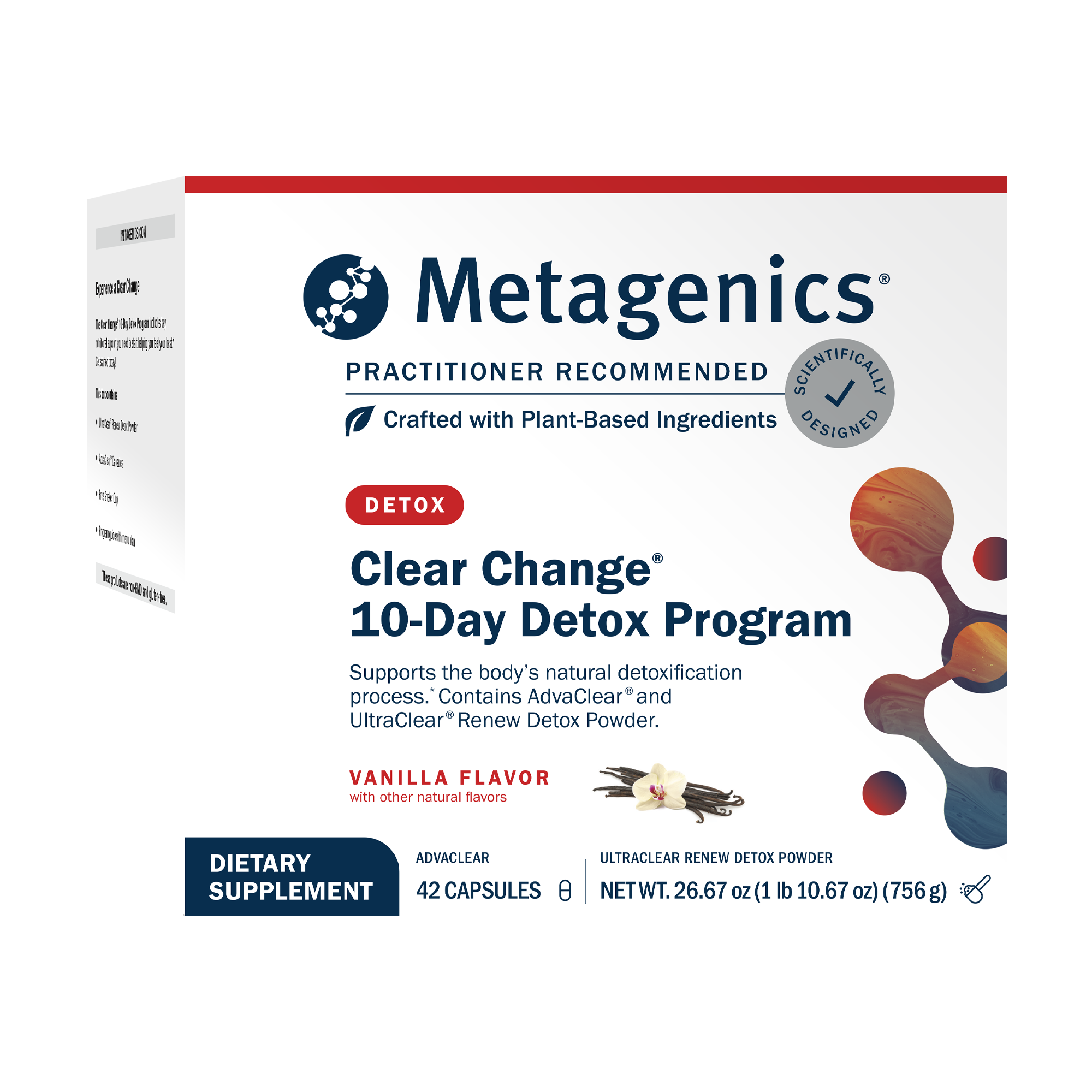
Clear Change 10-Day Detox Program (Vanilla)
🦷 for Dental
37
Metagenics
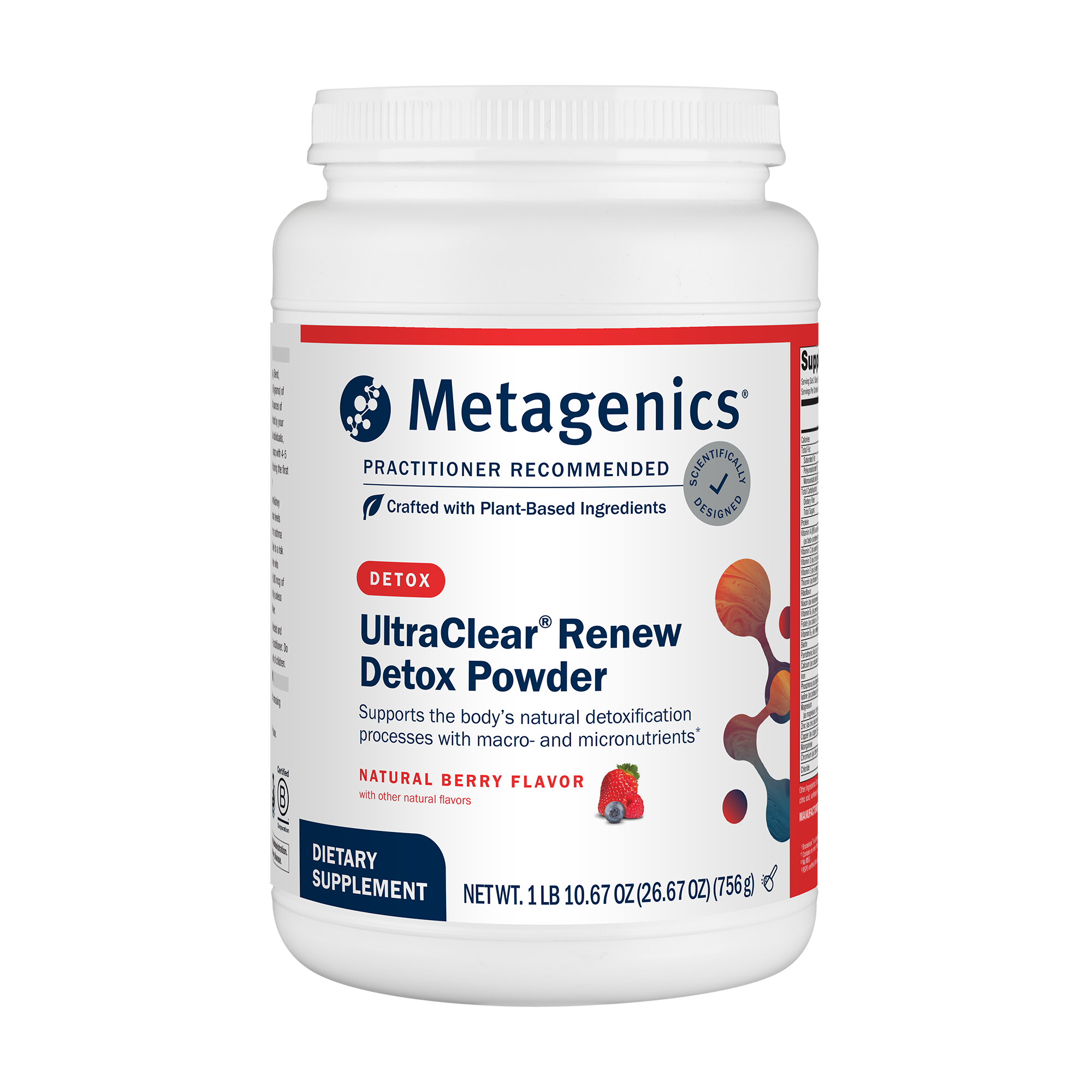
UltraClear Renew Detox Powder (Berry)
🦷 for Dental
34
Metagenics
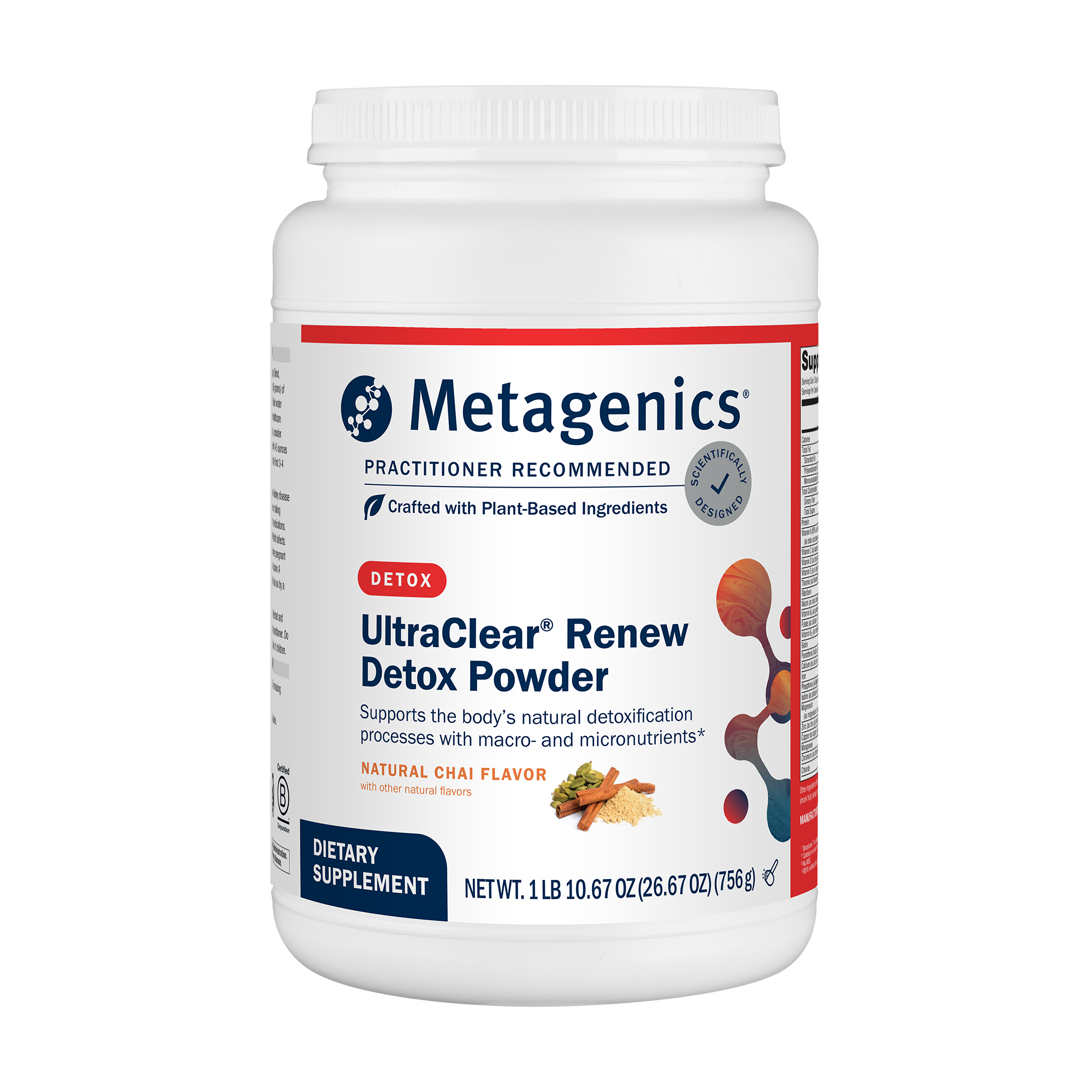
UltraClear Renew Detox Powder (Chai)
🦷 for Dental
34
Metagenics
UltraClear Renew Detox Powder (Vanilla)
🦷 for Dental
34
Sources & Scoring
Nutrient data (RDA, UL, and safety thresholds) sourced from the NIH Office of Dietary Supplements and the National Academies Dietary Reference Intakes (DRI).
This is not medical advice. Consult a healthcare provider before making changes to your supplement routine.
The score analyzes what's on the label: ingredient doses vs. studied ranges, chemical forms, evidence levels, and known interactions. It does not verify label accuracy or test for contaminants — for that, look for third-party certifications like USP or NSF.